You don't need to drive three hours to go camping.
Sometimes, the best campsite is already behind your house.
Your garden.
Put up a tent. Roll out your sleeping bag. Turn off the house lights. Sit outside after sunset and listen to the sounds around you.
Suddenly, the garden you've seen a thousand times feels completely different.
That's the appeal of backyard camping.
You get the fun of a camping trip without the long drive, expensive campsite, complicated planning, or hours spent packing the car.
And if you forget something?
Your kitchen is only a few steps away.
Whether you're planning a family adventure, a date night outdoors, or simply want to try camping for the first time, here's how to turn your garden into a campsite you'll actually want to sleep in.
Why Go Backyard Camping?
Camping in your own garden might sound too easy to count as camping.
That's exactly what makes it so good.
You can experience many of the things that make camping enjoyable without committing to a full weekend in the wilderness.
You'll still:
- Sleep in a tent
- Spend the evening outside
- Cook and eat outdoors
- Watch the stars
- Use camping equipment
- Wake up in the fresh air
- Spend less time looking at screens
And there's one huge advantage.
If something goes wrong, you're never far from home.
That makes backyard camping perfect for beginners and families with children.
If your child decides at midnight that sleeping outside was a terrible idea, their normal bed is only a few steps away.
1. Choose the Right Spot for Your Tent
Don't simply put your tent on the first patch of grass you see.
Your campsite will be much more comfortable if you spend a few minutes choosing the right location.
Look for an area that is:
- Relatively flat
- Free of rocks, sticks and sharp objects
- Away from low branches
- Protected from strong wind
- Not directly underneath trees that could drop branches
- Not in an area where rainwater collects
Pay particular attention to the ground.
A small slope might not look like a problem when you're standing on it.
It can feel very different after eight hours of sleeping on it.
Check the weather before you start
Backyard camping is supposed to be fun.
Check the forecast before setting up your tent, particularly for:
- Heavy rain
- Strong winds
- Thunderstorms
- Very low temperatures
- Extreme heat
A little rain doesn't necessarily ruin a camping trip.
Severe weather is a different story.
If dangerous weather is expected, move the camping trip indoors.
There's no prize for staying in a tent during a thunderstorm.
2. Set Up Your Tent Before It Gets Dark
This is one of the simplest backyard camping tips, but it makes a huge difference.
Set up your tent while you still have plenty of daylight.
Check that:
- The tent is properly secured
- The poles are correctly positioned
- The rainfly is attached
- The zippers work
- The tent has enough ventilation
- The ground underneath is comfortable
If you've never used the tent before, this is also the perfect opportunity to figure it out.
You don't want your first attempt to happen at 10 PM with a flashlight in your mouth.
If you're camping with children, let them help.
Setting up the tent becomes part of the adventure.
3. Make Your Sleeping Setup Comfortable
Your tent protects you from the elements.
But you're still sleeping on the ground.
That's why your sleeping setup matters just as much as the tent itself.
Bring:
- Sleeping bag
- Sleeping mat or camping mattress
- Pillow
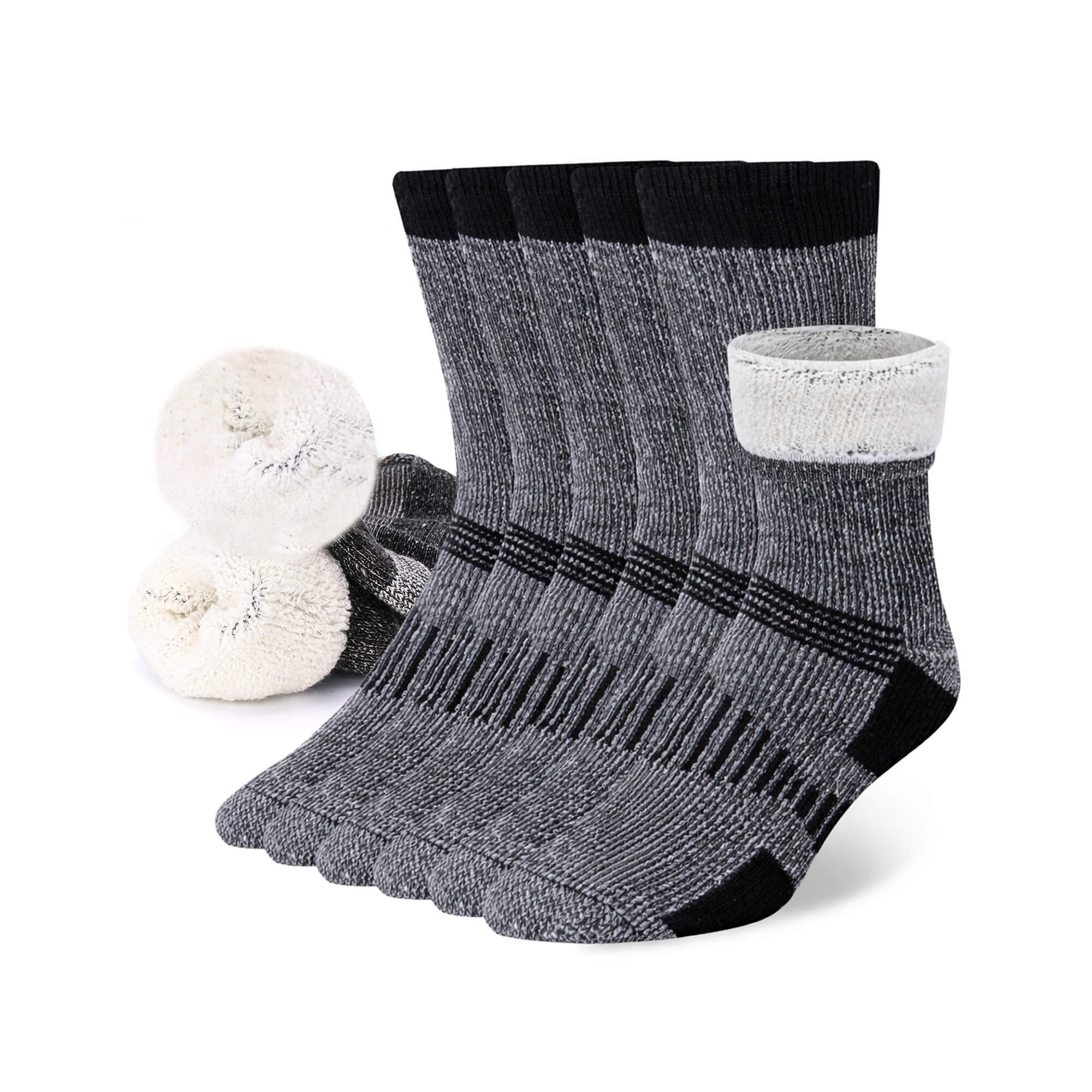
- Warm socks
- Comfortable sleeping clothes
- Extra blanket if temperatures are expected to drop
Don't underestimate how cold the ground can feel overnight.
Even if the afternoon was warm, temperatures can fall significantly after sunset.
A good sleeping mat provides both cushioning and insulation between you and the ground.
4. Create a Real Campsite
Here's where you can make backyard camping feel much more like an actual camping trip.
Don't just put a tent on the lawn.
Create a small campsite around it.
Set up an area with:
- Camping chairs
- Blankets
- A small table
- Lanterns
- Food and drinks
- Games
- Your camping equipment
Keep the things you'll need during the evening close to the tent.
The goal is to create a small outdoor base where you can spend most of the evening without constantly going back into the house.
5. Get Your Backyard Camping Lighting Right
Once the sun goes down, your garden changes completely.
Paths become harder to see.
The tent becomes darker.
And suddenly the flashlight on your phone doesn't seem like such a great idea.
Good lighting makes your campsite more comfortable and much easier to navigate.
Ideally, use different types of lighting for different purposes.
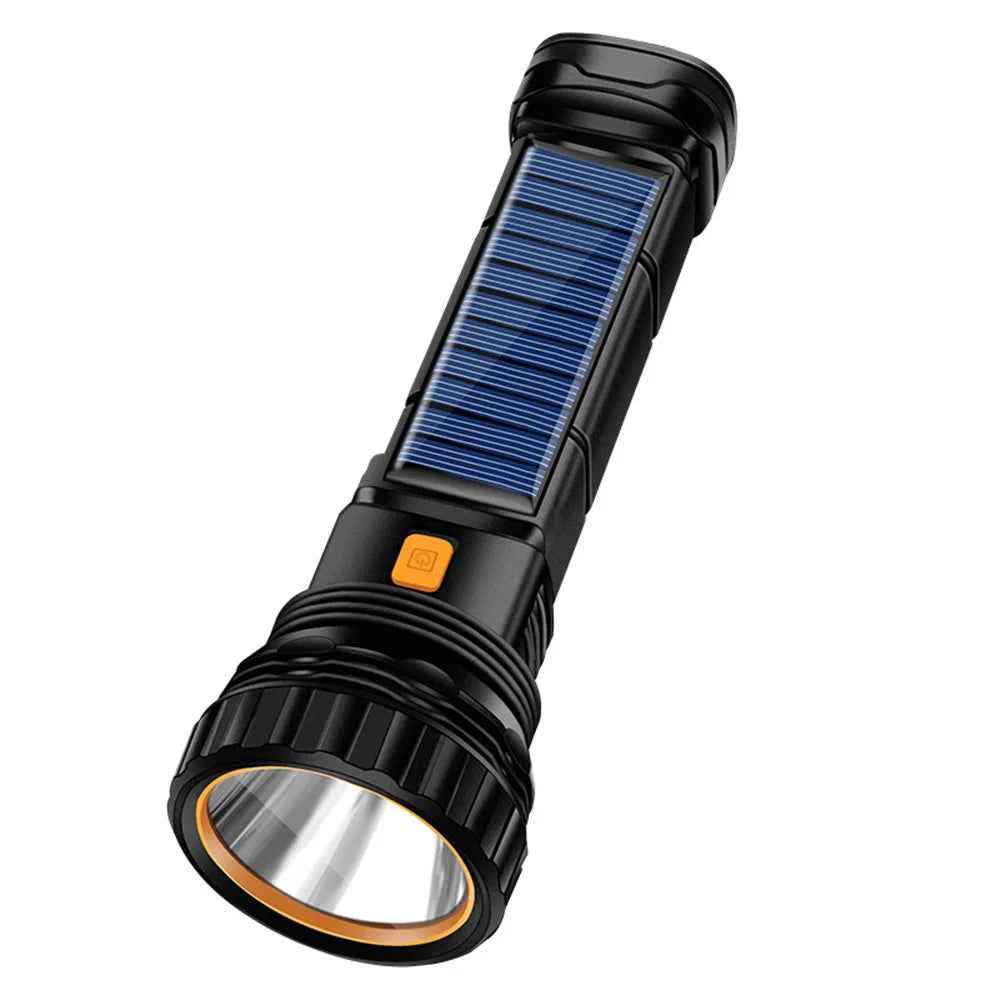
Focused light: useful when you need to find something or walk around.
Area lighting: better for illuminating your campsite.
Warm ambient lighting: creates a more relaxed camping atmosphere.
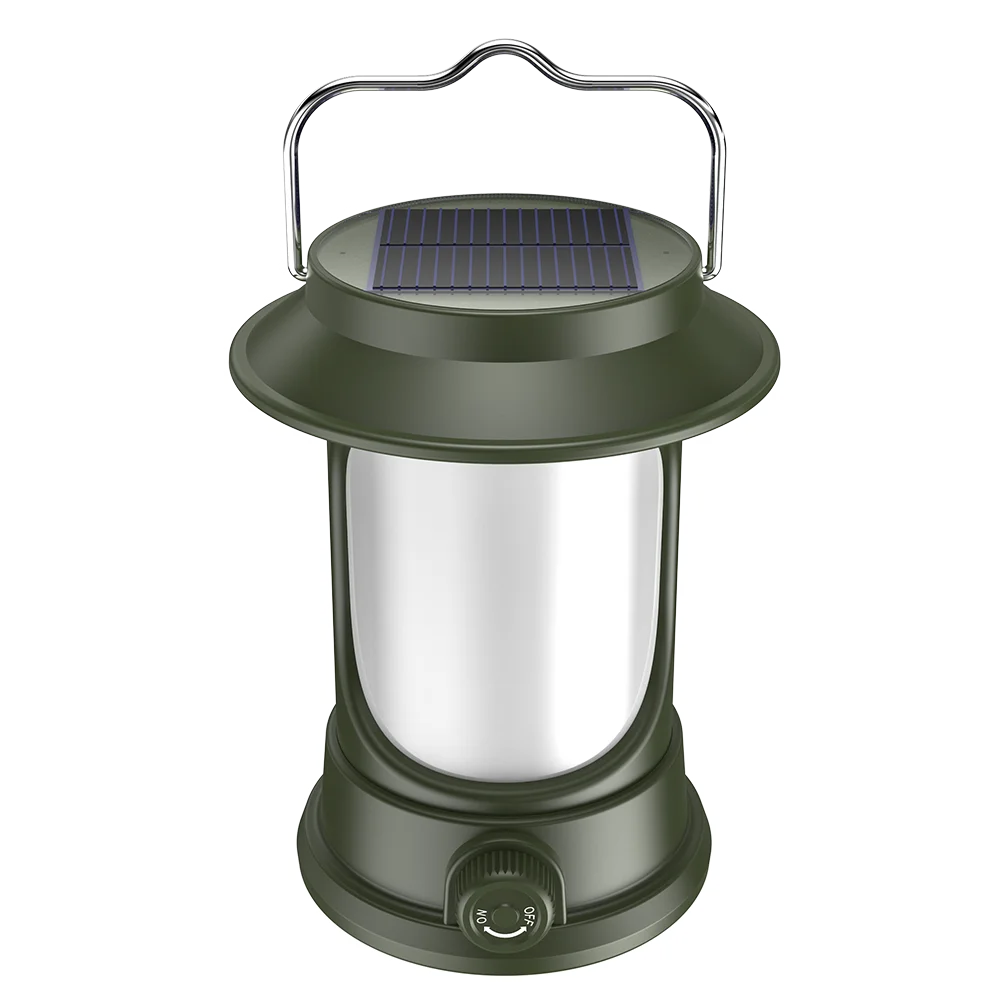
Light4Future Solar Lantern
The Light4Future is particularly useful for backyard camping because it combines practical lighting with the atmosphere you want around a campsite.
It offers warm, white and candlelight modes and can be charged via USB-C or solar power.
That means you can place it near your tent, outdoor table or seating area without needing to run a cable back to the house.
It's not just emergency equipment.
It's the kind of light that can make your campsite feel like a campsite.
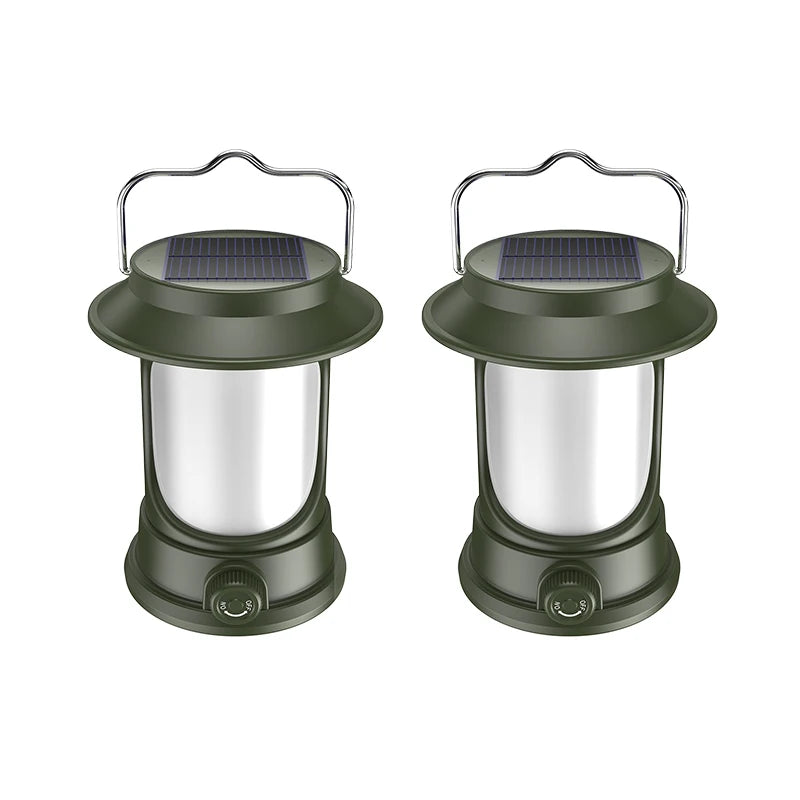
Luna Solar Lantern
If you're looking for something with a more traditional outdoor look, the Luna Solar Lantern is another good addition.
Its metal construction and warm light work particularly well around a tent, patio or outdoor seating area.
During the day, it can charge using sunlight.
At night, it becomes part of the campsite.
And that's one of the underrated parts of backyard camping:
The right lighting can completely change the atmosphere.
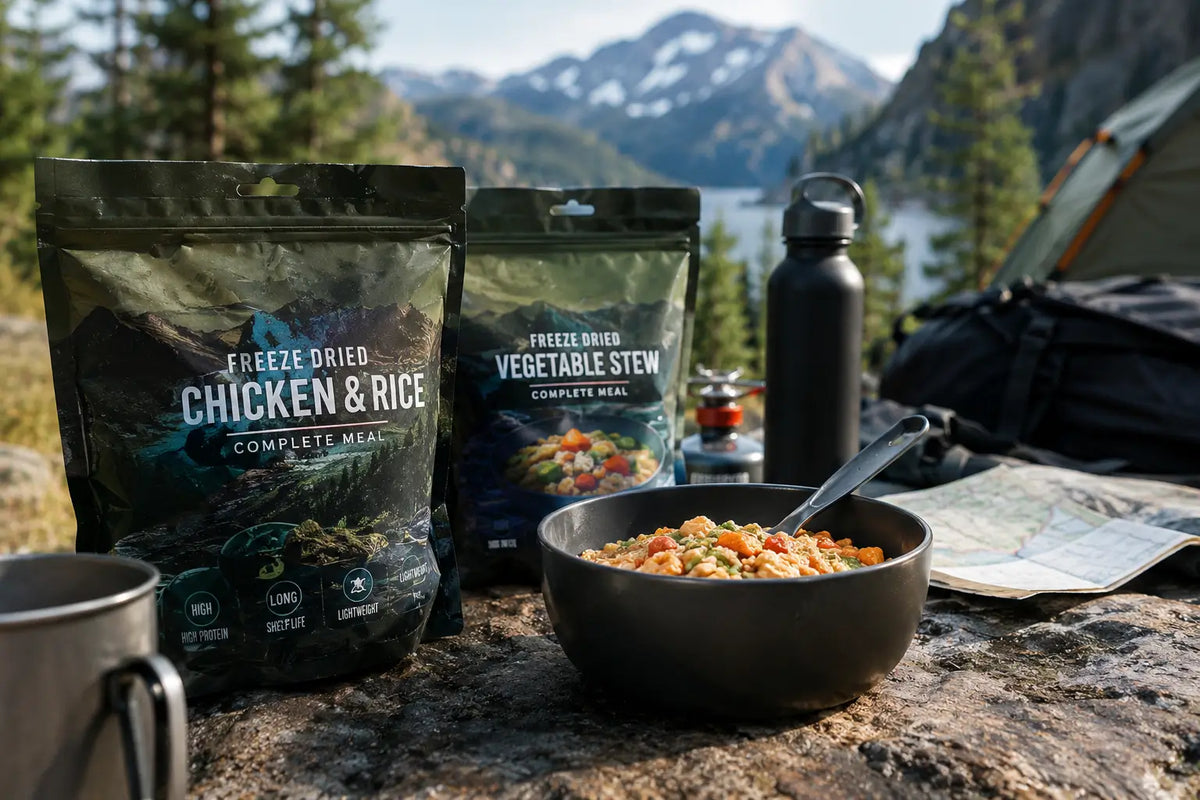
6. Keep Food Simple
You don't need to recreate a professional camping kitchen.
Simple food usually works best.
Try things like:
- Burgers
- Hot dogs
- Grilled vegetables
- Foil-wrapped potatoes
- Sandwiches
- Fresh fruit
- Trail mix
- Popcorn
- Marshmallows
If you use a grill or fire pit, follow local rules and keep flames safely away from tents, buildings and other flammable materials.
Always make sure a fire is completely extinguished before you go to sleep.
Don't forget breakfast
One of the best parts of backyard camping is waking up outside.
Make coffee.
Cook some eggs.
Have breakfast together.
Even an ordinary breakfast can feel completely different when you're eating it outside after spending the night in a tent.
7. Keep Water Close to the Campsite
Because your house is nearby, it's easy to overlook water.
But once you're settled into your campsite, constantly walking back inside gets annoying.
Keep drinking water near your tent.
Remember to account for:
- Everyone camping
- Children
- Pets
- Hot weather
- Physical activity
You can also keep a separate bottle or container available for basic outdoor cleanup.
The goal is to make your campsite feel self-contained.
8. Put Your Phone Away
This might be the hardest part.
But it's also one of the reasons backyard camping is worth doing.
Your garden is one of the easiest places to disconnect because you don't actually need your phone for most of the evening.
Try putting your phones away after dinner.
Instead:
- Tell stories
- Play cards
- Play board games
- Look at the stars
- Talk
- Read
- Play outdoor games
- Listen to music
- Make s'mores
You don't need Wi-Fi to have a good evening.
In fact, getting away from it for a few hours might be the best part.
9. Go Stargazing
Turn off the unnecessary outdoor lights.
Give your eyes a few minutes to adjust.
Then look up.
Even in a suburban garden, you may be surprised by how many stars become visible once the bright lights around you are gone.
Make it a game with children.
Who can spot the brightest star?
Can you find the Moon?
Can you identify a constellation?
You don't need an expensive telescope.
Sometimes lying on a blanket and simply looking up is enough.
10. Keep Mosquitoes Away
Nothing can ruin an outdoor evening faster than mosquitoes.
If you're spending several hours outside, plan for them.
Depending on your location, consider:
- Insect repellent
- Long sleeves
- Long trousers
- Keeping food covered
- Removing standing water where practical
- Using appropriate outdoor lighting
Don't wait until everyone is already getting bitten.
Make insect protection part of your setup from the beginning.
11. Make Backyard Camping an Adventure for Kids
For children, backyard camping can be much more exciting than it sounds.
The garden becomes a completely different place after dark.
Give them something to do.
Try a backyard scavenger hunt
Give them a list of things to find:
- Something red
- A smooth stone
- A leaf
- A flower
- Something that makes a sound
- Something smaller than your hand
You can do this during the afternoon and then switch to different activities after dark.
Tell stories around the tent
You don't need anything complicated.
Funny stories.
Camping stories.
Ghost stories for older children.
Or let everyone make up a story together.
The important thing is making the evening feel different from an ordinary night at home.
12. Make It a Challenge for Adults
Backyard camping isn't only for families.
It can be a great way for adults to slow down as well.
Try making a simple rule:
No going inside after sunset unless necessary.
Bring everything you need outside beforehand.
Food.
Drinks.
Blankets.
Games.
Lighting.
Books.
Then spend the evening outside.
You might be surprised by how quickly a normal evening turns into something that actually feels like a getaway.
13. Prepare for Rain
A little rain doesn't necessarily mean the camping trip is over.
In fact, sitting inside a dry tent while listening to rain outside can be one of the most relaxing parts of camping.
But you need to prepare for it.
Keep:
- Rain jackets
- Dry clothes
- Towels
- Waterproof storage bags
- A dry place for electronics
And make sure your tent is properly waterproofed.
If heavy rain, lightning or strong winds arrive, go inside.
Your house is one of the biggest advantages of backyard camping.
Use it.
14. Keep Your Camping Gear Organized
One of the easiest ways to make camping frustrating is to lose everything you need.
Your flashlight is somewhere.
The tent pegs are somewhere else.
The insect repellent disappeared.
The sleeping bags are still in the garage.
Instead, create one simple backyard camping system.
Keep your frequently used camping equipment together so you can quickly grab it whenever you decide to camp.
This also makes packing up much easier the next morning.
15. Use Backyard Camping as a Test Run
This might be the biggest practical advantage of camping in your garden.
You can test your equipment before taking it somewhere remote.
Did you sleep comfortably?
Was your sleeping bag warm enough?
Was the tent easy to set up?
Did you have enough lighting?
Did you bring too much stuff?
Did you forget something important?
You'll find out quickly.
And if something isn't working?
You're five minutes away from your house.
That's much better than discovering the problem halfway through a weekend camping trip.
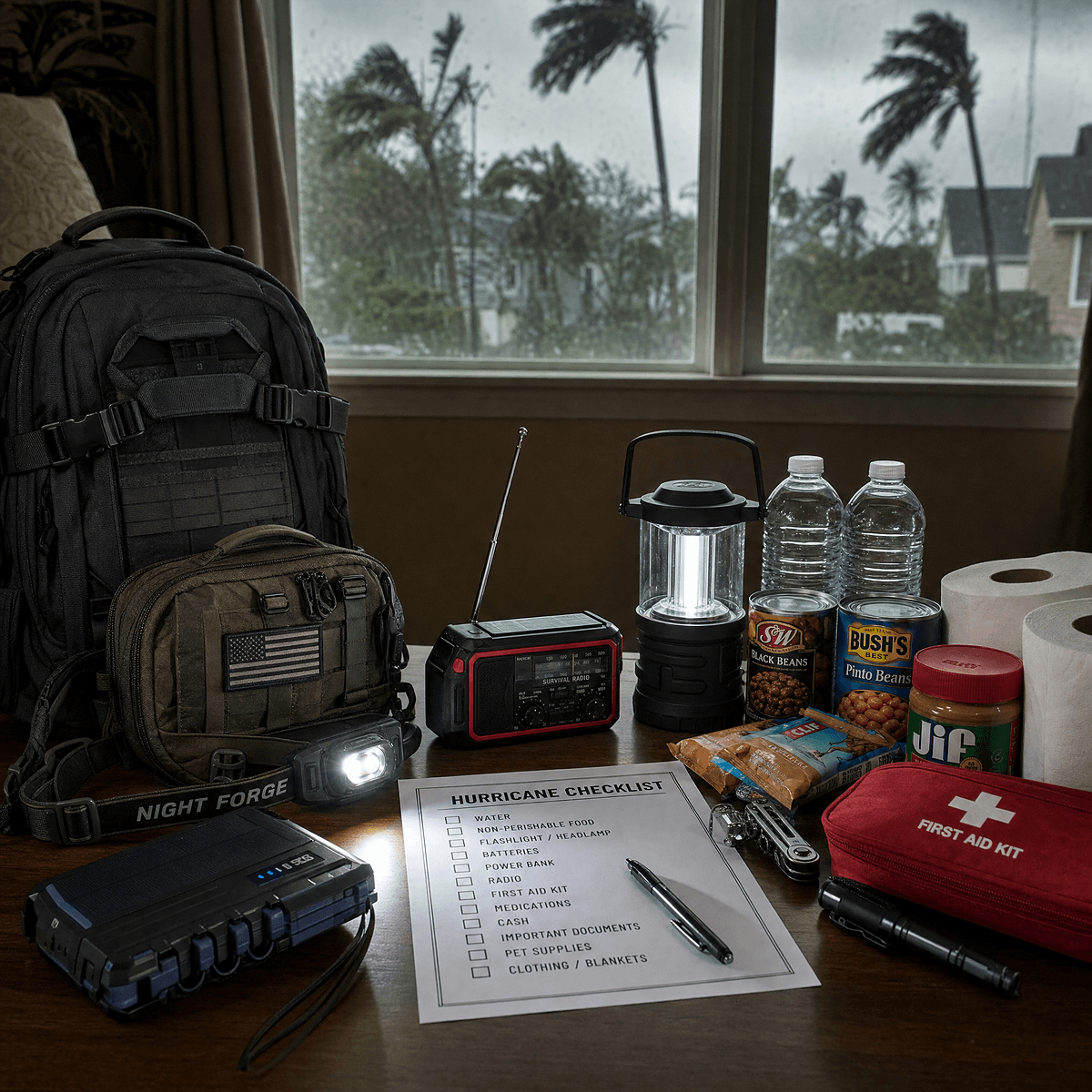
16. Build Your Own Backyard Camping Checklist
You don't need to buy everything at once.
Start with the basics.
Shelter
☐ Tent
☐ Tent pegs
☐ Groundsheet
Sleeping
☐ Sleeping bag
☐ Sleeping mat
☐ Pillow
☐ Warm clothing
☐ Extra blanket
Lighting
☐ Lantern
☐ Flashlight
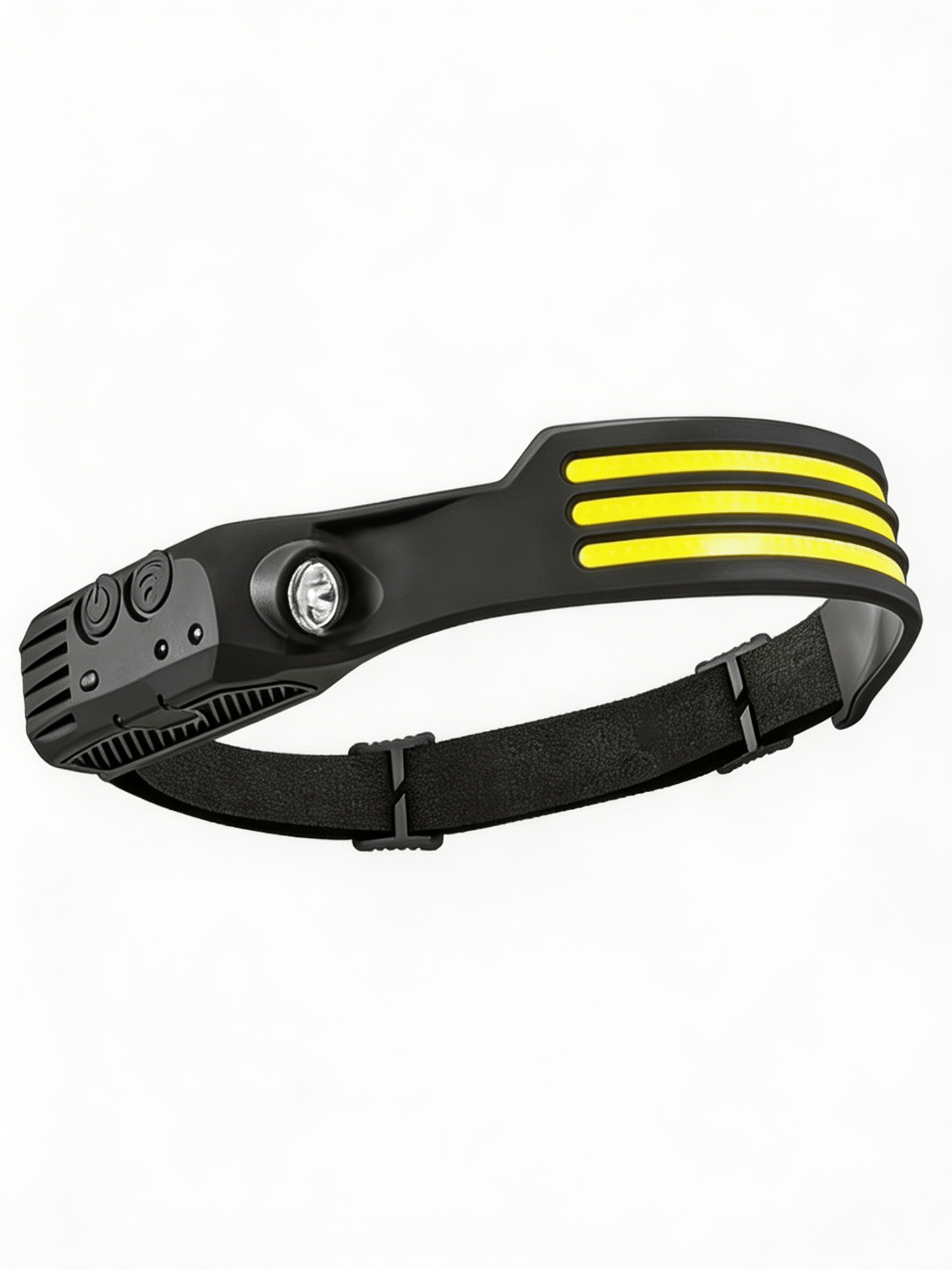
☐ Headlamp
☐ Spare batteries or charging option
Food & Water
☐ Drinking water
☐ Dinner
☐ Snacks
☐ Breakfast
☐ Trash bags
Comfort
☐ Camping chairs
☐ Blanket
☐ Insect repellent
☐ Towels
☐ Rain jacket
Safety
☐ First aid kit
☐ Phone
☐ Weather forecast checked
☐ Emergency contact information
17. What Not to Do When Backyard Camping
A few simple mistakes can turn a great evening into an uncomfortable one.
Don't set up under unstable trees
Branches can fall, particularly during strong winds.
Don't ignore the weather
A garden isn't automatically safe during severe weather.
Don't leave food uncovered
It can attract insects and animals.
Don't leave fires unattended
If you use a fire pit, follow local regulations and safety guidance.
Don't rely entirely on your phone
Keep dedicated lighting available.
Don't overpack
The advantage of backyard camping is that you don't need to bring your entire house outside.
Bring what you'll actually use.
The Perfect Backyard Camping Setup
You don't need an elaborate campsite.
Start with:
⛺ A tent
Your shelter for the night.
🛏️ A comfortable sleeping setup
Sleeping bag, sleeping mat and pillow.
🏮 Good lighting
A lantern for your campsite and a flashlight or headlamp for moving around.
🍔 Simple food
Something easy to cook and enjoy outside.
💧 Plenty of water
Keep it close so you don't have to keep going inside.
🪑 Somewhere comfortable to sit
Camping chairs or blankets are enough.
🌙 Something to do after dark
Games, stories, music or simply looking at the stars.
That's it.
You don't need a truck full of camping equipment.
You Don't Have to Travel Far to Go Camping
Camping doesn't always mean driving into the mountains or finding a remote campsite.
Sometimes, it's simply about changing your surroundings.
Your garden can become your campsite.
Your patio can become your camp kitchen.
Your lawn can become your sleeping spot.
And an ordinary Friday night can turn into something you'll actually remember.
That's what makes backyard camping so great.
It's inexpensive.
It's simple.
It's easy to try.
And if you love it, you can take what you've learned on your next real camping trip.
So put up the tent.
Turn off the lights.
Leave the phone inside.
Look at the stars.
Your next camping adventure might be closer than you think.
Sometimes, you don't need to go farther.
You just need to step outside.