A power outage is easy to ignore when it lasts 20 minutes.
You notice it, maybe complain about the Wi-Fi, wait a little while, and everything goes back to normal.
But what happens when the power stays off for 12 hours? 24 hours? Three days?
Suddenly, the things you normally take for granted become important. You need a way to see in the dark. You need food that doesn't depend on your kitchen appliances. You need to know what's happening outside your home. And sooner or later, you'll probably start wondering how much battery your phone has left.
You don't need to turn your home into a bunker to prepare for that situation.
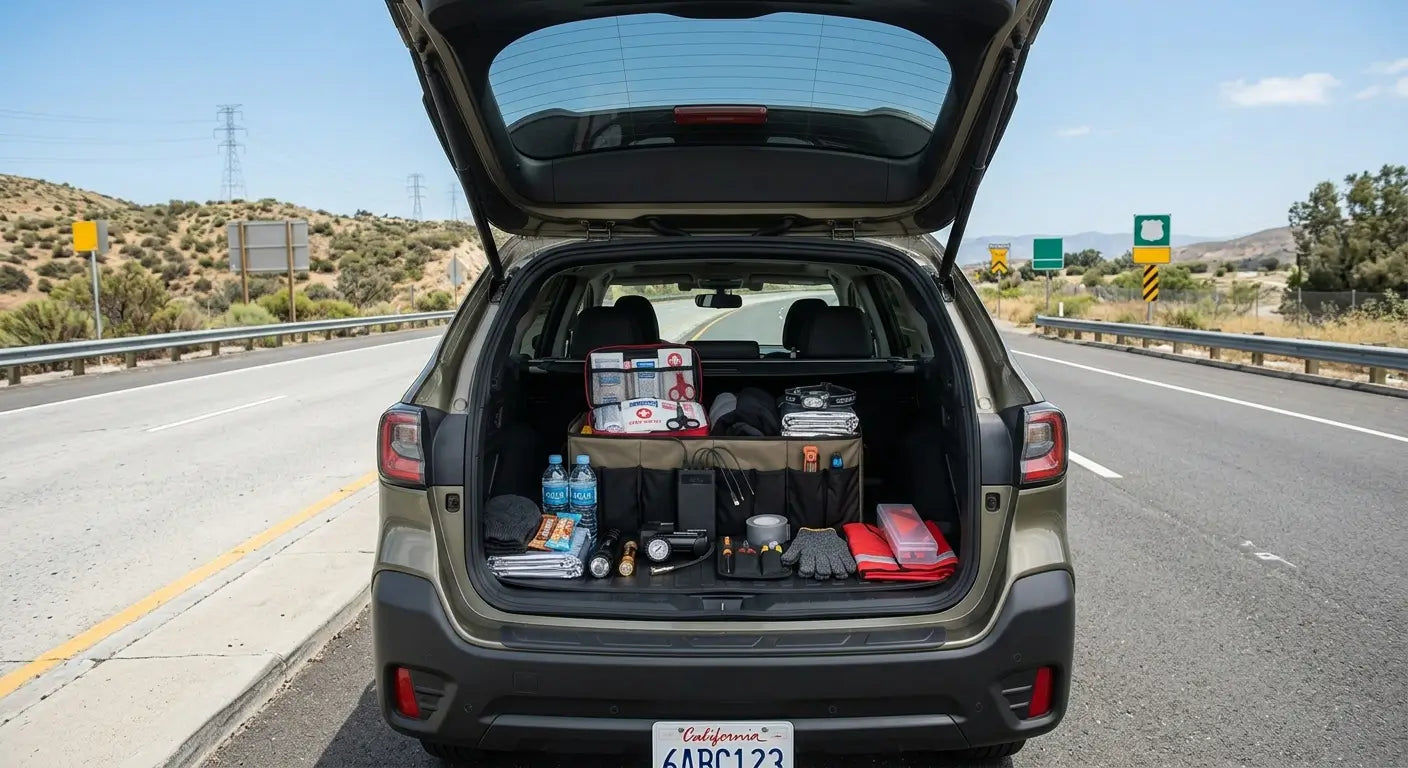
A practical 72-hour emergency kit can give you the essentials you need to stay comfortable, informed, and connected while you wait for normal power to return.
This guide walks through what to prepare, what to do when the electricity goes out, and how to build a reliable backup power setup.
Why Prepare for 72 Hours Without Power?
There is no guarantee that an outage will be resolved within a few hours.
Severe storms, winter weather, wildfires, equipment failures, accidents, and problems with the electrical grid can all lead to longer disruptions.
Preparing for 72 hours gives you a useful starting point.
Your goal isn't to keep every appliance in your house running.
Instead, focus on the things that actually matter:
-
Water
-
Food
-
Lighting
-
Communication
-
Backup power
-
First aid
-
Warmth
-
Basic hygiene
-
Essential tools
Once those basics are covered, you can expand your emergency supplies based on your location and personal circumstances.
The Complete 72-Hour Power Outage Checklist
1. Store Enough Drinking Water
Water should be near the top of your emergency-preparation list.
A commonly used planning guideline is approximately one gallon of water per person per day, although actual needs vary depending on factors such as climate, activity level, age, and individual circumstances.
For a three-day supply, that works out to roughly:
-
1 person: 3 gallons
-
2 people: 6 gallons
-
4 people: 12 gallons
Don't forget pets when calculating your supply.
Store water somewhere cool and accessible, and follow the manufacturer's recommendations for storage and replacement.
2. Keep Food That Doesn't Need Electricity
A blackout can make your normal kitchen almost useless.
Your refrigerator, freezer, microwave, electric stove, oven, and many other appliances may not be available.
That's why your emergency food supply should include items that can be eaten with little or no preparation.
Good options include:
-
Canned meat or fish
-
Canned vegetables
-
Beans
-
Peanut butter
-
Crackers
-
Nuts
-
Dried fruit
-
Energy bars
-
Shelf-stable meals
-
Other foods your household regularly eats
Don't forget a manual can opener.
And don't build your emergency supply entirely around foods nobody in your household actually wants to eat. If the food is familiar and easy to prepare, you're much more likely to use it.
3. Have Multiple Sources of Light
The first time the power goes out at night, most people instinctively reach for their phone.
That's fine for a few seconds.
It's not a great long-term lighting strategy.
Your phone battery may be needed for emergency calls, messages, weather information, maps, and other important tasks.
Instead, keep dedicated lighting in your emergency supplies.
Ideally, have:
-
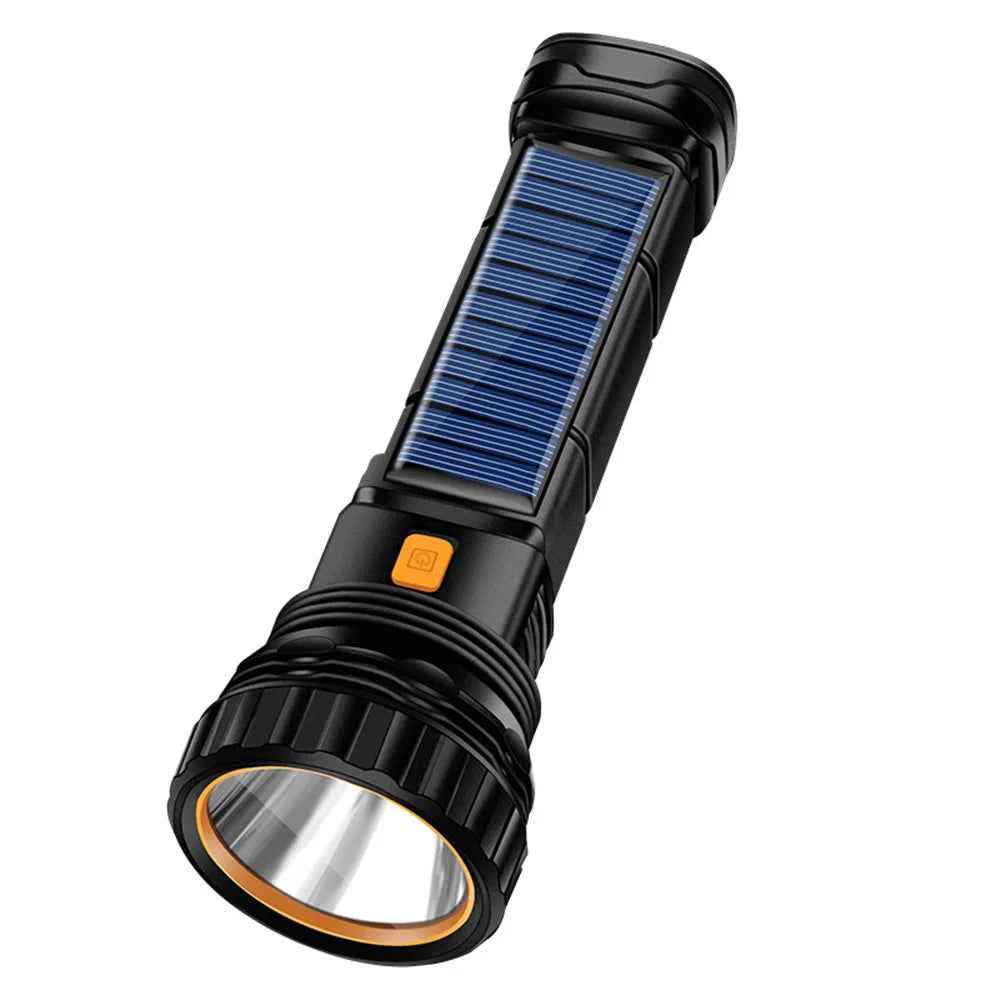
A flashlight
-
A headlamp
-
A lantern
-
Spare batteries or rechargeable options
A Headlamp for Hands-Free Lighting
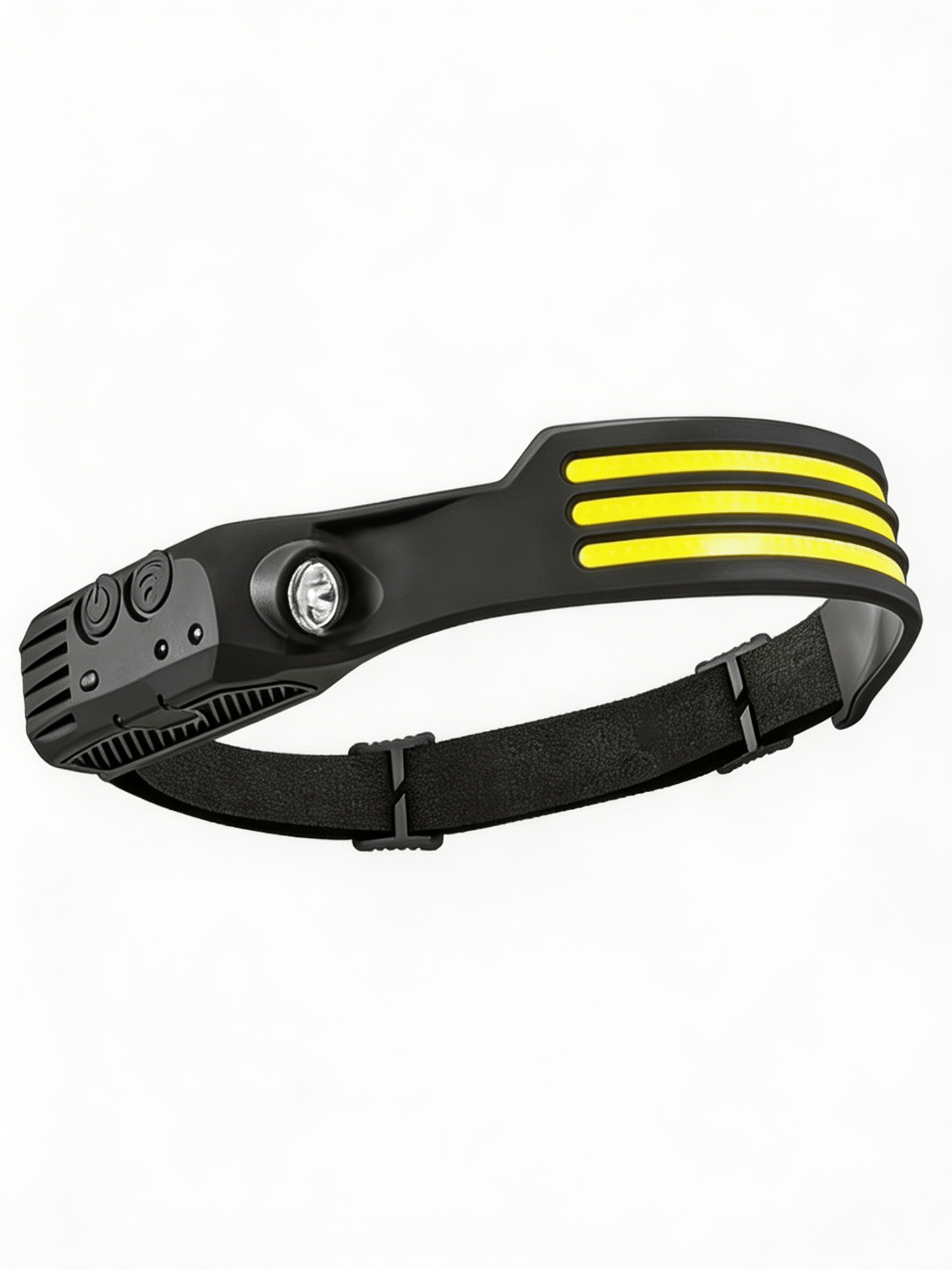
A headlamp is particularly useful when you need both hands free. Whether you're checking equipment, moving around the house in darkness, or dealing with an outdoor emergency, having the light attached to your head means you don't have to hold a flashlight.
The Night Forge Headlamp is designed for hands-free outdoor lighting and fits naturally into a blackout or camping emergency kit.
A Lantern for Area Lighting
A headlamp is excellent for movement and close-up tasks, but a lantern is better when you need to illuminate a larger area.
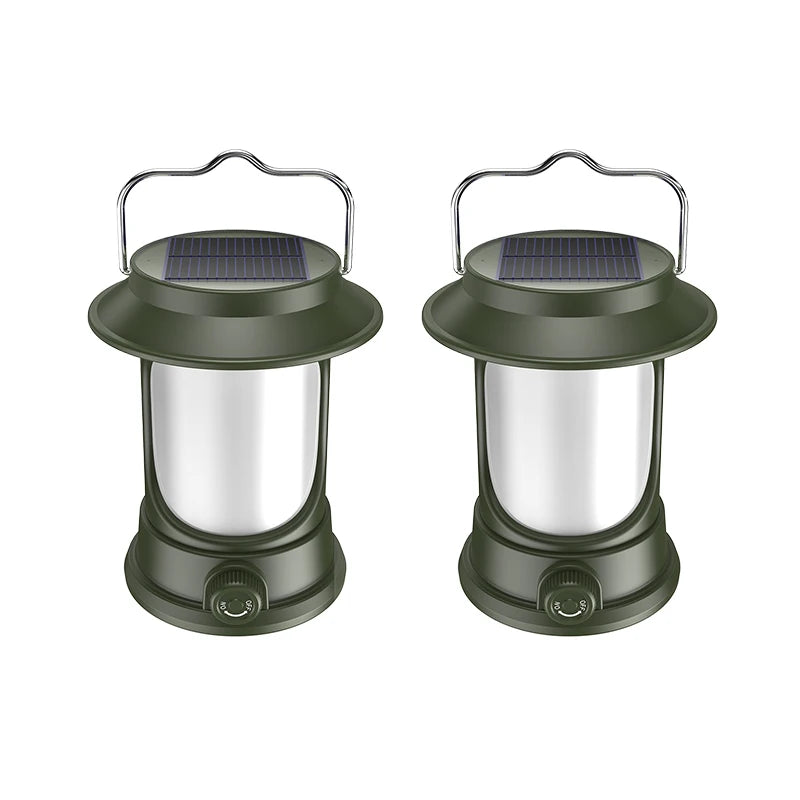
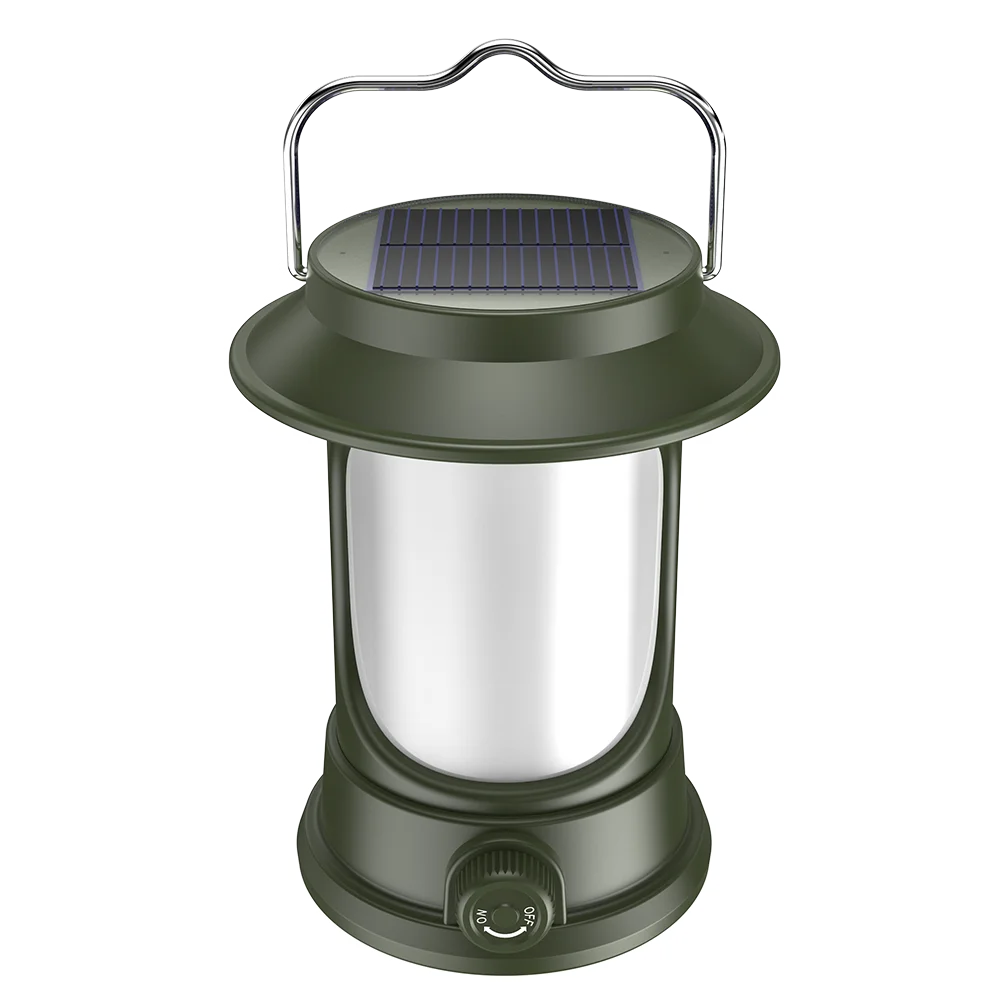
The Light4Future Rechargeable Waterproof Solar Lantern can be recharged via USB or solar power and offers multiple lighting modes. Its IP44 protection rating also makes it suitable for outdoor use.
For an emergency kit, having both types of lighting makes more sense than relying on one device for everything.
4. Keep Your Phone and Essential Electronics Powered
This is one of the biggest weaknesses in a modern emergency situation.
Your phone can be one of your most useful emergency tools.
You may need it for:
-
Emergency calls
-
Weather alerts
-
Communication
-
Maps
-
News
-
Important contacts
But none of that helps if the battery reaches 0%.
That's why a high-capacity power bank belongs in a modern emergency kit.
Recommended Backup Power: V2 Solar-Beast 50,000 mAh
If your priority is keeping phones and other small electronics running during an extended outage, a high-capacity power bank gives you stored energy you can use immediately.
The V2 Solar-Beast 50,000 mAh Powerbank combines a 50,000 mAh battery with built-in retractable USB-A, USB-C, Micro-USB, and Lightning cables. It also supports solar charging, has a digital battery display, waterproof construction, and pass-through charging.
The built-in cables are particularly useful in an emergency because you don't have to search through a drawer for the right cable.
Think of solar charging as an additional backup, not an instant replacement for a wall outlet.
Solar charging performance depends on sunlight, weather, positioning, and the equipment itself.
Charge the power bank before an expected storm or outage whenever possible. Then use stored battery power when you need it and solar charging to help replenish that energy when conditions allow.
5. Don't Forget Charging Cables
A power bank doesn't help much if you can't connect your devices to it.
Keep the charging cables you actually use with your emergency equipment.
If several people in your household use different devices, consider keeping multiple compatible cables together in one small pouch.
This prevents the classic emergency situation:
"We've got power... but where's the cable?"
The V2 Solar-Beast eliminates much of that hassle by integrating four charging cables directly into the device.
6. Have a Way to Receive Emergency Information
Your phone isn't the only way to stay informed.
During a major outage, cellular networks or internet access may become unreliable.
A battery-powered or hand-crank emergency radio provides another way to receive important information.
If your emergency radio uses replaceable batteries, keep spare batteries stored with it.
And don't wait until an emergency to figure out how the radio works. Test it beforehand.
7. Prepare for Cold or Extreme Heat
A blackout during mild weather may be mostly an inconvenience.
A blackout during a heatwave or freezing weather can be a completely different situation.
If your heating or cooling system depends on electricity, losing power can quickly change the temperature inside your home.
Keep appropriate supplies available for your local climate.
Cold weather
-
Warm clothing
-
Blankets
-
Sleeping bags
-
Hats
-
Gloves
-
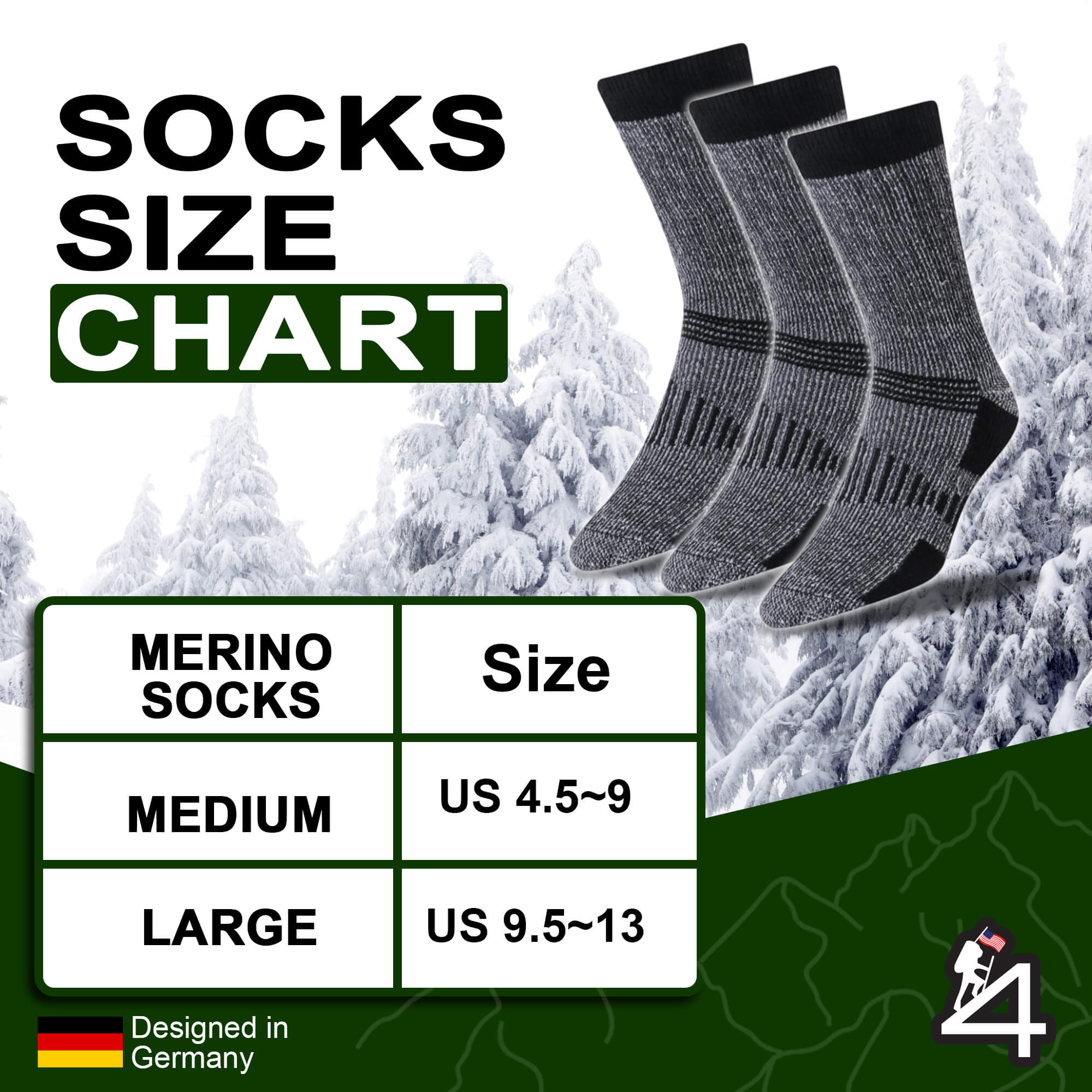
Extra socks
Hot weather
-
Drinking water
-
Battery-powered fans where appropriate
-
Light clothing
-
Ways to block excessive sunlight
-
A plan for staying somewhere cooler if necessary
Your emergency plan should reflect the conditions you're actually likely to face.
8. Keep a Basic First Aid Kit
A blackout isn't automatically a medical emergency.
But small injuries are still possible, and normal services may be harder to access during a major disruption.
A basic first aid kit should include items appropriate for your household, such as:
-
Adhesive bandages
-
Gauze
-
Medical tape
-
Disposable gloves
-
Antiseptic supplies
-
Scissors
-
Tweezers
-
Basic over-the-counter medications
-
Essential personal medications
Check your kit periodically and replace anything expired or used.
9. Have an Alternative Way to Prepare Food
If your normal cooking appliances require electricity, think about what you'll eat if the outage continues.
A camping stove or other appropriate outdoor cooking equipment can be useful in some situations.
But there's an important safety rule:
Never use charcoal grills, camping stoves, generators, or other fuel-burning equipment inside your home, garage, basement, tent, or another enclosed space.
Carbon monoxide can accumulate quickly and become deadly.
Always follow the manufacturer's instructions and use fuel-burning equipment only where it is designed to be used.
If you don't have a safe alternative cooking setup, focus on foods that can be eaten without cooking.
10. Keep Some Emergency Cash
A power outage can affect more than your home.
If payment terminals or ATMs aren't working, cash may become useful for local purchases.
You don't need to keep a huge amount of money at home.
A modest emergency cash reserve can simply give you another option when electronic payments aren't available.
Store it securely.
11. Keep Important Information Offline
Most of us keep almost everything digitally.
During a blackout, that's not always ideal.
Keep an offline copy of important information such as:
-
Emergency phone numbers
-
Family contact information
-
Important addresses
-
Insurance information
-
Medical information
-
Copies of critical documents
A simple printed emergency contact sheet takes almost no space and doesn't need a battery.
12. Have a Few Basic Tools
You don't need a full workshop.
A small collection of useful tools can handle many basic problems:
-
Multi-tool
-
Pliers
-
Screwdriver
-
Utility knife
-
Duct tape
-
Zip ties
-
Work gloves
The best tools are the ones you know how to use.
13. Don't Forget Hygiene
Hygiene isn't usually the first thing people think about when preparing for a blackout.
It should still be part of your kit.
Consider keeping:
-
Toilet paper
-
Wet wipes
-
Hand sanitizer
-
Soap
-
Toothbrushes
-
Toothpaste
-
Trash bags
-
Personal hygiene products
These supplies are inexpensive and take up relatively little space.
What to Do When the Power Goes Out
Having an emergency kit is only half the job.
Knowing what to do when the outage begins can help you avoid wasting your resources.
Step 1: Find out how widespread the outage is
Check whether the problem appears to be limited to your property or whether nearby homes and businesses are also without power.
If appropriate and safe, check your electrical panel.
Don't attempt electrical repairs you're not qualified to perform.
Step 2: Check official information
Use your phone, emergency radio, or other available sources to find out whether your utility provider or local authorities have provided information.
Avoid constantly refreshing apps and social media.
You want to preserve your phone battery for when you actually need it.
Step 3: Protect sensitive electronics
If appropriate, unplug sensitive electronics during the outage to reduce the risk of damage from potential power fluctuations when electricity returns.
Keep essential equipment connected only when necessary.
Step 4: Reduce your phone's power consumption
Turn on battery-saving features.
You can also:
-
Reduce screen brightness
-
Turn off unnecessary wireless connections
-
Avoid video streaming
-
Limit social media
-
Close unnecessary applications
-
Use your phone only when needed
The objective is simple:
Make your remaining battery last as long as possible.
Step 5: Keep the refrigerator and freezer closed
One of the easiest mistakes during a blackout is repeatedly opening the refrigerator to check what's inside.
Every time you open the door, cold air escapes.
Keep it closed as much as possible and follow appropriate food-safety guidance when deciding whether refrigerated or frozen food is still safe to consume.
If you're unsure about a particular food, don't take unnecessary risks.
How Long Will Food Last During a Power Outage?
There isn't one universal answer.
The temperature inside the appliance, how full it is, the surrounding temperature, and how often the door is opened all make a difference.
The safest approach is to keep refrigerator and freezer doors closed and follow food-safety guidance rather than relying only on appearance or smell.
A good emergency food supply also reduces the pressure to open your refrigerator repeatedly.
How to Build a Better Emergency Power System
If you want to take your preparations beyond a basic phone power bank, think about your electricity in layers.
Layer 1: Stored phone power
Keep your everyday devices charged.
Layer 2: Large-capacity portable power
Use a larger power bank for multiple devices and longer periods without grid power.
Layer 3: Renewable backup
Add solar charging to help replenish stored energy when sunlight is available.
Layer 4: Larger household backup
For households with larger electricity requirements, a suitable portable power station and compatible charging equipment may make sense.
The right setup depends on what you're trying to power.
You don't necessarily need to keep your entire house running.
Start with the things that matter most:
communication, information, lighting, and essential electronics.
A Simple 72-Hour Emergency Kit
Here's a checklist you can save or print.
Water
☐ Drinking water
☐ Additional water for pets
Food
☐ Non-perishable food
☐ Ready-to-eat meals
☐ Manual can opener
Lighting
☐ Flashlight
☐ Headlamp
☐ Lantern
☐ Spare batteries
Power
☐ High-capacity power bank
☐ Charging cables
☐ Solar charging option
Communication
☐ Emergency radio
☐ Spare batteries
☐ Printed emergency contacts
Health
☐ First aid kit
☐ Essential medications
☐ Hygiene supplies
Warmth & Weather
☐ Blankets
☐ Warm clothing
☐ Sleeping bags
Tools
☐ Multi-tool
☐ Duct tape
☐ Work gloves
☐ Basic tools
Other
☐ Emergency cash
☐ Important documents
☐ Pet supplies
Recommended Gear for a 72-Hour Emergency Kit
If you're building an emergency setup from scratch, you don't need dozens of specialized products.
Focus on equipment that solves a specific problem.
🔋 Backup Power
The V2 Solar-Beast 50,000 mAh Powerbank is designed for portable power when you're away from a wall outlet. Its 50,000 mAh capacity, integrated charging cables, solar charging capability, and rugged design make it particularly relevant for extended outages and off-grid situations.
🏮 Emergency & Outdoor Lighting
The Light4Future Rechargeable Waterproof Solar Lantern provides broader area lighting and can be charged through USB or solar power. It also offers warm, white, and candlelight modes.
🔦 Hands-Free Lighting
The Night Forge Headlamp is a useful addition when you need both hands free for moving around, working, or handling equipment in low-light conditions.
The goal isn't to fill a closet with survival gear.
It's to build a system where each item has a clear purpose.
Don't Wait Until the Next Blackout
Emergency preparedness isn't about expecting disaster around every corner.
It's about removing unnecessary problems before they happen.
A few days of water and food. A reliable source of light. A way to receive information. Backup power for your phone. A first aid kit. A few basic tools.
None of these things are complicated.
But when the power goes out and stays out, you'll be glad you prepared beforehand.
The best emergency kit isn't the biggest one.
It's the one you already have when you need it.
Frequently Asked Questions
How long should I prepare for a power outage?
A 72-hour emergency supply is a useful starting point for many households. If you live somewhere particularly vulnerable to severe weather or other disruptions, you may want to prepare for longer.
What should I have at home for a blackout?
Start with water, non-perishable food, lighting, backup power, communication equipment, first aid supplies, essential medications, and basic tools.
How do I charge my phone when the power is out?
A charged power bank is one of the simplest solutions. For longer outages, solar charging can provide an additional way to replenish stored battery power when sufficient sunlight is available.
Is a solar power bank useful during a blackout?
It can be useful as an additional charging option, particularly during longer outages. However, solar charging speed depends heavily on sunlight and the equipment being used, so stored battery capacity should remain an important part of your setup.
How do I save my phone battery during a blackout?
Enable Low Power Mode, reduce screen brightness, turn off unnecessary connections, avoid streaming, and limit non-essential phone use.
What should be in a 72-hour emergency kit?
At minimum, consider water, food, lighting, backup power, communication equipment, first aid supplies, essential medications, hygiene supplies, basic tools, and appropriate clothing or blankets.
What is the most important item during a power outage?
There isn't one item that solves every problem. A reliable emergency setup combines several essentials: water, food, light, communication, medical supplies, and backup power.
Build Your Emergency Kit Before You Need It
A power outage isn't something you can always predict.
Your preparation can be simple, though.
Start with the basics. Keep everything together. Check your supplies regularly. Make sure everyone in your household knows where the emergency equipment is stored.
And most importantly, don't wait until the lights go out to discover that your flashlight has no batteries and your phone has 8% remaining.
Prepare now. Stay independent when the grid goes down.