Winter camping offers something that summer trips simply cannot replicate. The campsites are quieter, the landscapes look completely different, and spending an evening outdoors feels a little more special when temperatures drop and the world slows down.
But camping in winter requires a different approach. Cold temperatures, longer nights and changing weather conditions make preparation more important than ever.
The good news? You don't need to be an extreme adventurer to enjoy winter camping. With the right equipment, a little planning and a few practical tricks, you can have an unforgettable outdoor experience even when temperatures are close to freezing.
In this guide, we'll cover everything you need to know before heading outdoors, from choosing the right campsite to staying warm throughout the night.
1. Choose the Right Location for Winter Camping
Where you decide to camp can make a huge difference to your overall experience.
During summer, finding a flat place with a nice view might be enough. In winter, you also need to think about wind exposure, ground conditions and access to shelter.
Look for a campsite that offers:
-
Natural wind protection: Trees and natural terrain can help reduce exposure to cold winds.
-
Flat ground: Choose a stable, relatively level surface for your tent.
-
Good drainage: Avoid areas where melting snow or rain could collect.
-
Safe surroundings: Stay away from unstable trees, overhanging branches and avalanche-prone slopes.
-
Accessible routes: Make sure you can safely reach your campsite and return if weather conditions change.
If you're new to winter camping, start somewhere familiar and relatively close to home. A campsite with facilities nearby is a good option for your first trip.
You can always work your way up to more remote locations as your experience grows.
2. Dress in Layers to Stay Warm
One of the biggest mistakes people make when camping in winter is wearing too many thick clothes instead of using a proper layering system.
The key is to regulate your body temperature while keeping moisture away from your skin.
A practical layering system consists of three main layers.
Base layer: Keep moisture away
Your base layer sits directly against your skin. Its job is to move sweat away from your body.
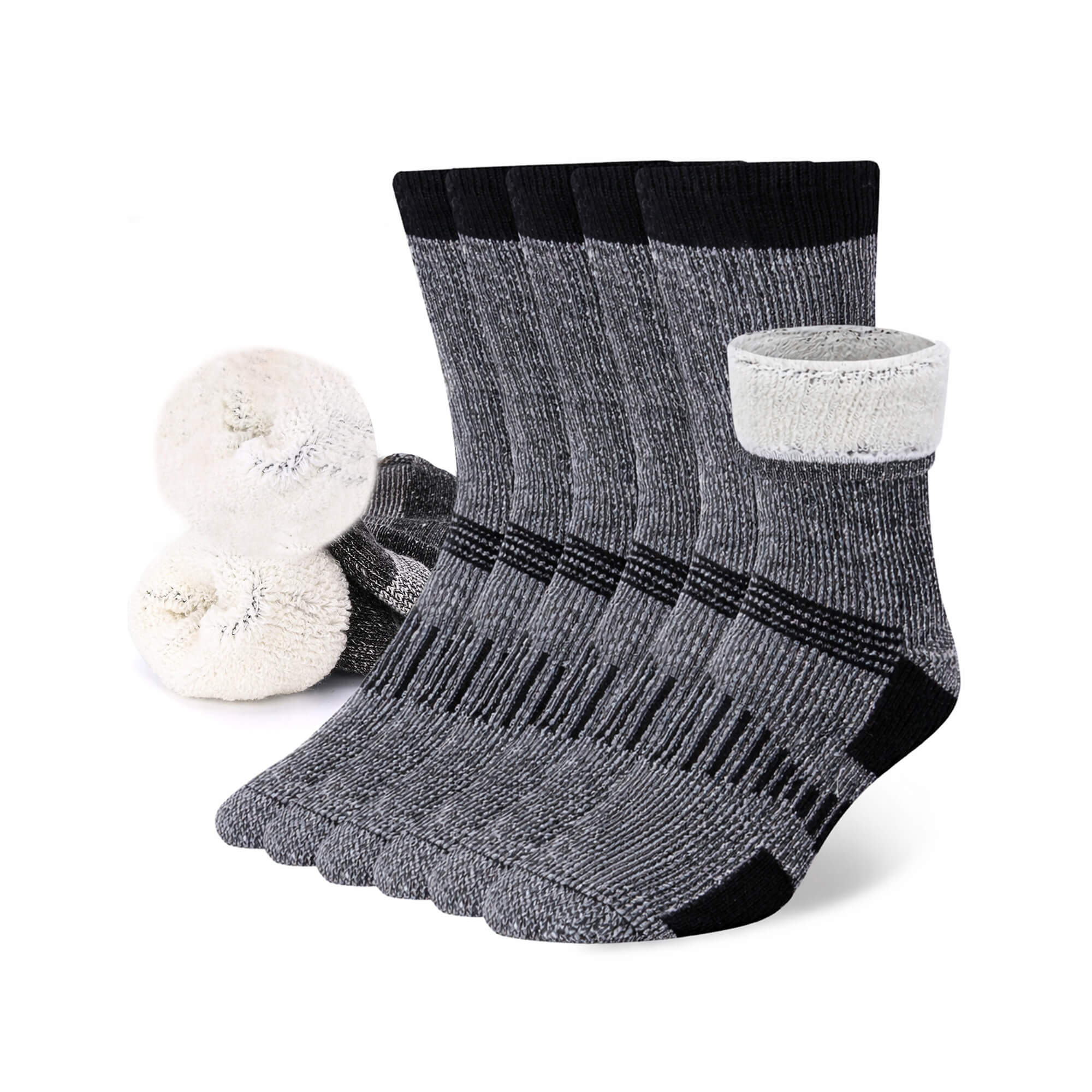
Merino wool and synthetic fabrics are excellent choices. Avoid cotton because it holds moisture and takes a long time to dry.
Mid layer: Retain body heat
This is your insulating layer. Fleece jackets, insulated sweaters and lightweight down jackets are good options.
You can add or remove this layer depending on your activity level and the temperature.
Outer layer: Protect yourself from the elements
Your outer layer should protect you against wind, rain and snow. A waterproof and breathable jacket is particularly useful when conditions become unpredictable.
Don't forget the smaller details:
-
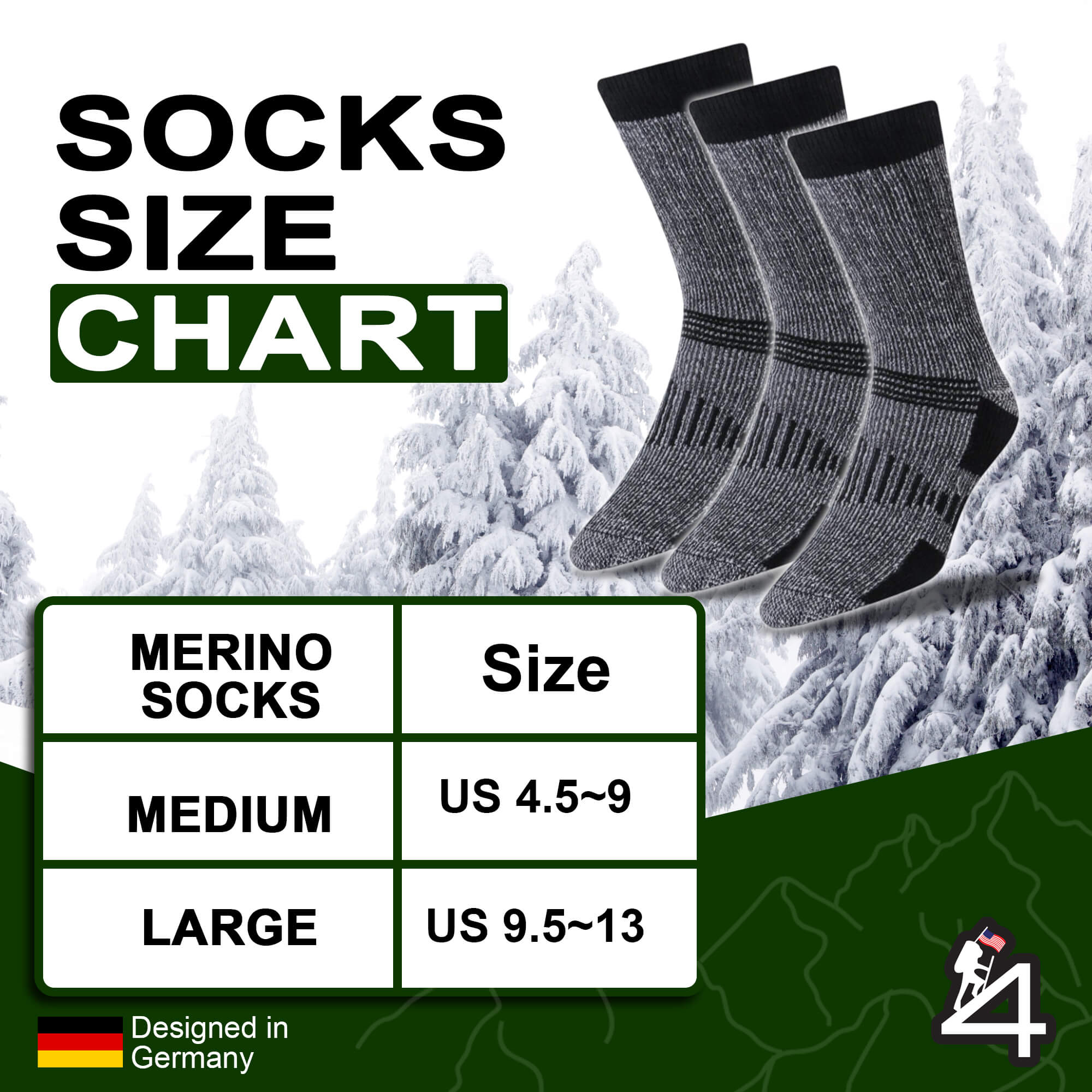
Warm wool or synthetic socks
-
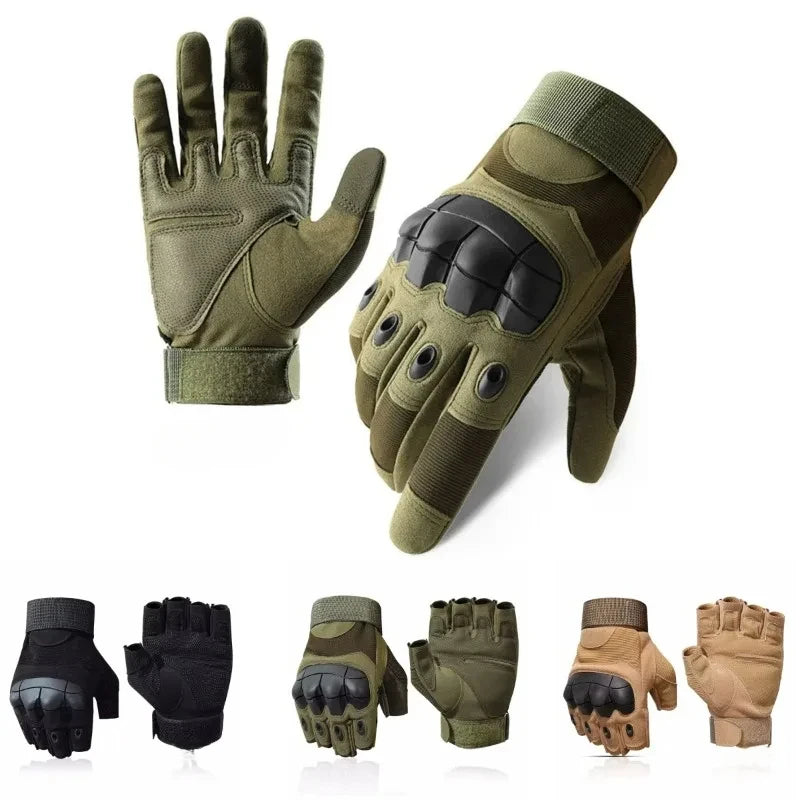
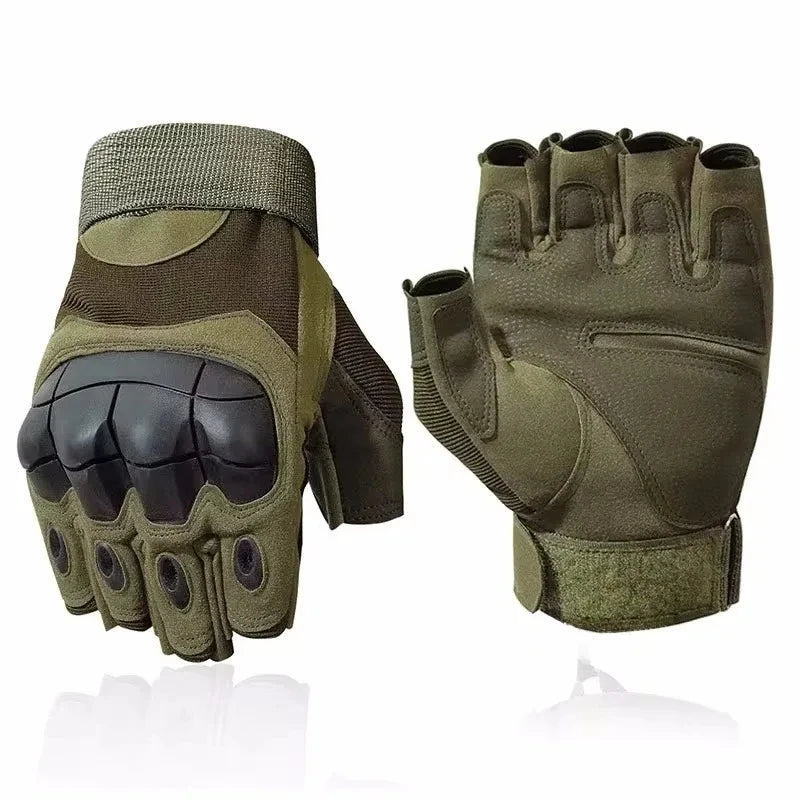
Insulated gloves or mittens
-
A winter hat that covers your ears
-
A neck warmer or balaclava
-
Waterproof winter boots
One important tip: Bring an extra set of dry clothes specifically for sleeping. Staying dry is just as important as staying warm.
3. Invest in the Right Sleeping Equipment
A comfortable night's sleep can make or break a winter camping trip.
Even if you have a good tent, your sleeping setup needs to provide enough insulation against the cold.
There are three things you should pay particular attention to.
Choose a sleeping bag suitable for the temperature
A summer sleeping bag is unlikely to provide enough warmth when temperatures drop below freezing.
Check the temperature rating carefully and consider the lowest temperatures you might encounter. A sleeping bag with a suitable comfort rating is much more important than simply choosing the thickest-looking option.
Don't underestimate your sleeping pad
The ground can draw heat away from your body surprisingly quickly.
A properly insulated sleeping pad helps create a barrier between you and the cold ground. For colder conditions, consider using two sleeping pads or a combination of foam and insulated inflatable pads.
Keep your sleeping area dry
Moisture can build up inside a tent during the night due to condensation. Ventilation is therefore important, even when it's cold outside.
Keep wet clothing away from your sleeping bag and avoid bringing unnecessary moisture into your sleeping area.
A little preparation before bedtime can make a big difference when the temperature drops overnight.
4. Prepare Warm Meals and Plenty of Drinks
Food is more important during winter camping than many beginners realize.
Your body uses energy to maintain its temperature, especially when you're active outdoors in cold conditions.
That's why it's worth planning your meals before leaving home.
Some easy options include:
-
Hearty soups and stews
-
Pasta or rice dishes
-
Instant oatmeal alternatives or other warm breakfast meals
-
Nuts and trail mix
-
Energy bars and dried fruit
-
Hot chocolate, coffee or tea
Warm meals are not only practical but also make evenings at the campsite much more enjoyable.
Bring enough drinking water for your trip and remember that water containers can freeze in low temperatures. Insulated bottles can help slow this process.
If you're planning to melt snow for drinking water, make sure you have the right equipment and a reliable method of treating the water.
Also, bring more food than you expect to need. An additional day's supply is a sensible precaution for trips where weather or travel conditions could cause delays.
5. Pack the Essential Winter Camping Gear
Winter camping doesn't necessarily mean carrying every piece of equipment you own. It means choosing equipment that serves a purpose and prepares you for changing conditions.
Here is a practical checklist to help you get started.
Shelter and sleeping
-
Season-appropriate tent
-
Warm sleeping bag
-
Insulated sleeping pad
-
Sleeping bag liner
-
Groundsheet or additional insulation
Clothing
-
Thermal base layers
-
Fleece or insulated jacket
-
Waterproof outerwear
-
Warm socks
-
Gloves and winter hat
-
Waterproof boots
-
Spare dry clothing
Cooking and hydration
-
Camping stove suitable for the expected temperatures
-
Appropriate fuel
-
Lighter and waterproof matches
-
Cooking pot and utensils
-
Water bottles or insulated containers
-
High-energy snacks
Safety and lighting
-
First aid kit
-
Headlamp or flashlight
-
Spare batteries or power source
-
Map and navigation equipment
-
Emergency blanket
-
Whistle
-
Multi-tool
Additional essentials
-
Backpack
-
Dry bags
-
Hand warmers
-
Small towel
-
Trash bags
-
Portable power bank
You don't need the most expensive equipment to get started. Focus on the essentials first, especially your sleeping system, clothing and lighting.
6. Make the Most of the Short Winter Days
One thing that often surprises people about winter camping is how quickly it gets dark.
During summer, you can spend most of the day outdoors without thinking much about daylight. In winter, your schedule needs a little more planning.
Try to arrive at your campsite with enough daylight to set up your tent, organize your equipment and prepare your first meal.
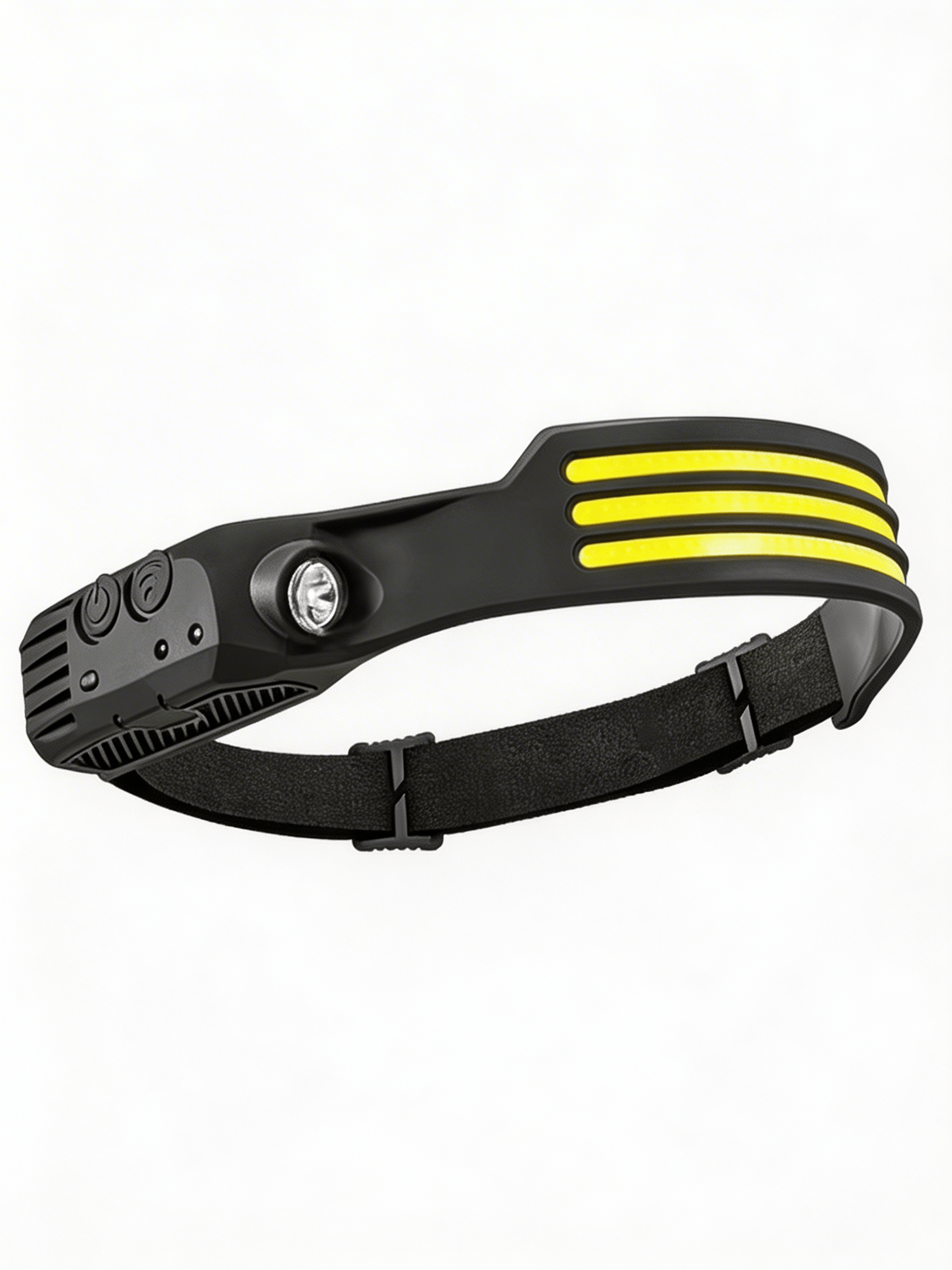
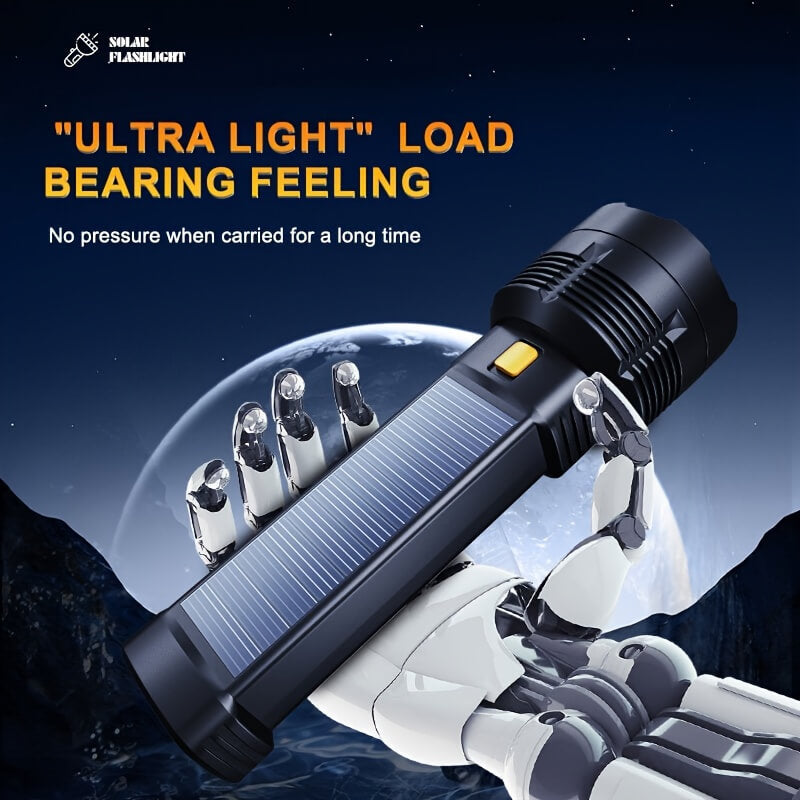
A reliable headlamp or flashlight should always be part of your equipment. Ideally, bring a backup light source as well.
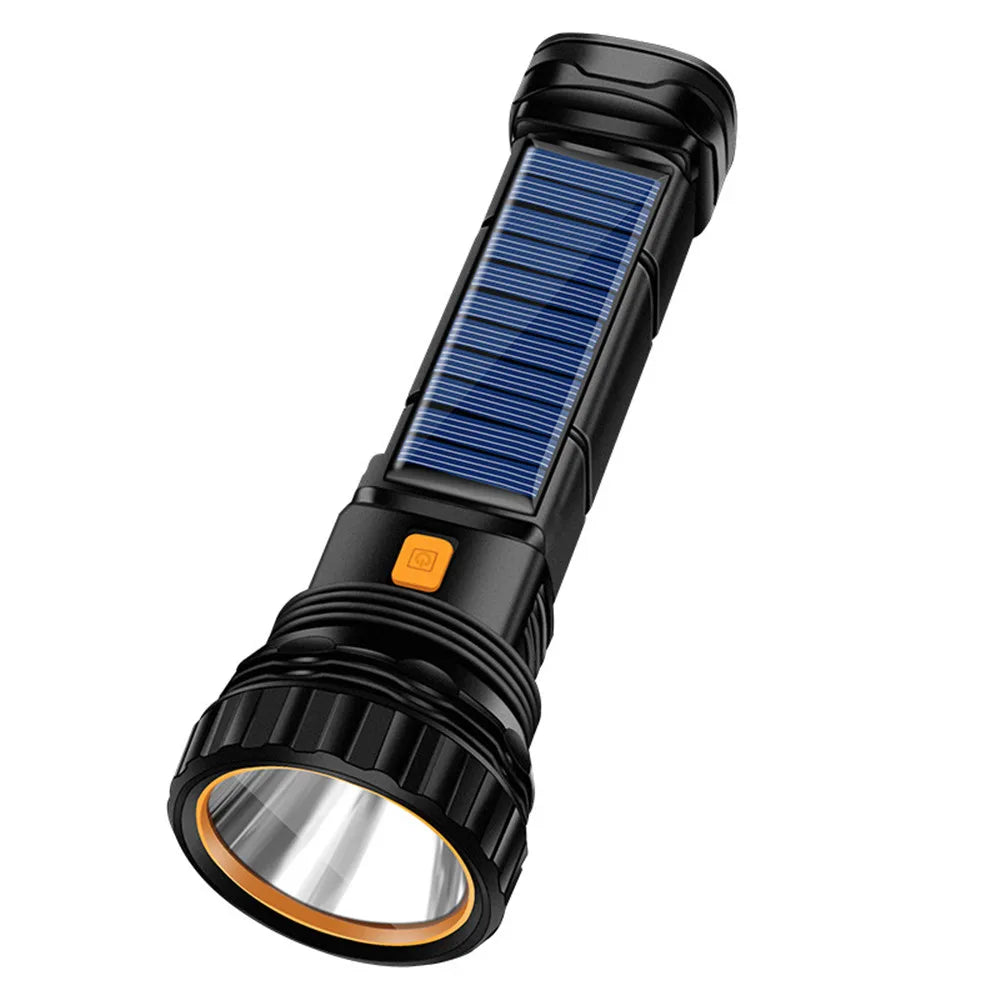
Solar-powered lighting can also be useful around camp, particularly for evenings when you want some ambient light without constantly relying on disposable batteries. Just remember that shorter daylight hours and weaker winter sunlight can significantly reduce solar charging performance.
A few additional tips:
-
Plan your hiking routes around available daylight.
-
Keep your phone and essential electronics warm.
-
Charge your devices before leaving home.
-
Carry a backup power source.
-
Avoid waiting until dark to complete important campsite tasks.
Good lighting makes your campsite more comfortable and helps you move around safely after sunset.
7. Stay Safe When Temperatures Drop
Winter camping can be incredibly rewarding, but cold weather should never be underestimated.
Hypothermia and frostbite are serious risks, particularly when you're exposed to cold temperatures for extended periods.
Pay attention to how you feel and look out for signs such as persistent shivering, unusual tiredness, confusion or loss of coordination.
If you or someone in your group starts showing signs of hypothermia, get out of the cold, replace wet clothing with dry layers and seek appropriate medical assistance.
A few basic precautions can reduce unnecessary risks:
-
Check the weather forecast before leaving.
-
Tell someone where you're going and when you expect to return.
-
Carry an appropriate first aid kit.
-
Bring emergency food and extra clothing.
-
Know your limits and don't take unnecessary risks.
-
Avoid unfamiliar winter routes in dangerous weather conditions.
Never use camping stoves, charcoal grills or fuel-burning heaters inside an enclosed tent or poorly ventilated shelter. Carbon monoxide is invisible and potentially fatal.
If conditions become unsafe, changing your plans or ending the trip early is always the right decision.
8. Make Your Winter Campsite Comfortable
Once the important preparations are taken care of, you can focus on enjoying the experience.
Winter camping doesn't have to be uncomfortable or all about surviving the cold. A few small details can turn an ordinary campsite into a place where you actually want to spend time.
Consider bringing:
-
A compact camping chair
-
An insulated mug for hot drinks
-
A book or playing cards
-
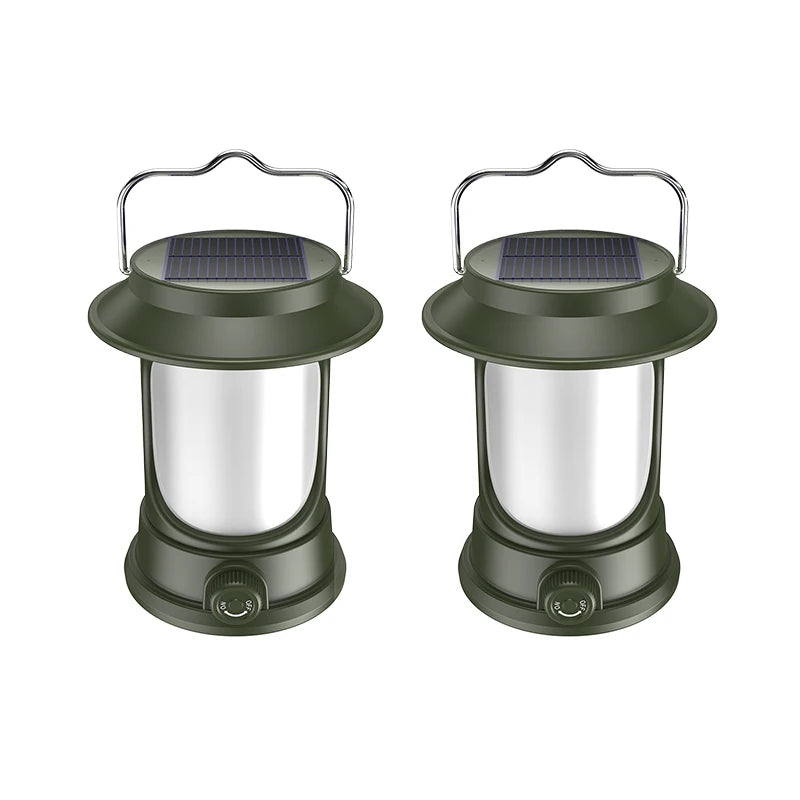
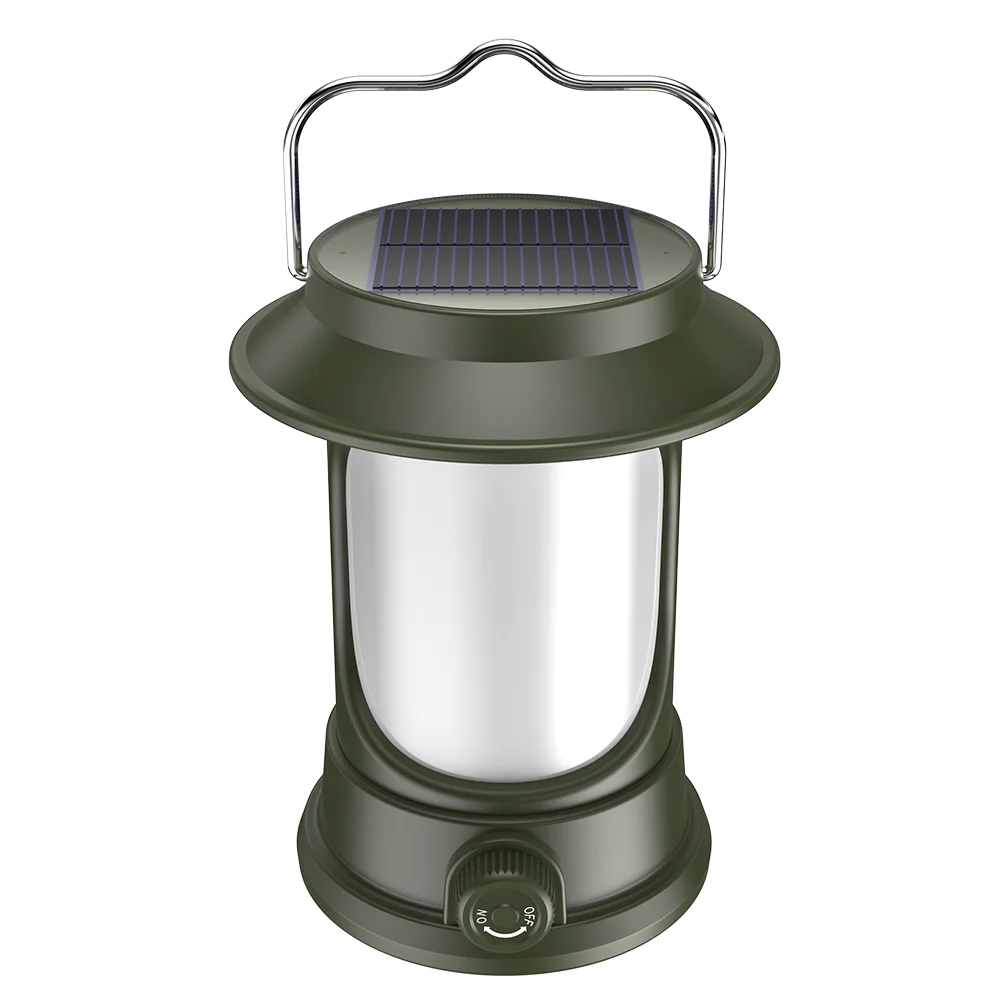
A portable lantern for ambient lighting
-
A small table for preparing meals
-
Extra blankets for relaxing around camp
Lighting is particularly important. A warm, well-lit campsite creates a completely different atmosphere once the sun goes down.
A portable lantern is an easy way to illuminate your tent area, camping table or outdoor seating space. Solar-powered options can be especially convenient when you have enough daylight to recharge them.
And don't forget to take a moment to enjoy your surroundings. A quiet winter evening, a warm drink and a clear night sky are some of the best reasons to go camping in the first place.
9. Winter Camping Tips for Beginners
If this is your first time camping in colder weather, you don't need to make things complicated.
Start small, learn what works and improve your equipment over time.
Here are a few practical tips worth remembering:
-
Start with one night: A short overnight trip is a great way to test your equipment without committing to a longer adventure.
-
Check everything at home: Test your tent, sleeping bag, stove and lighting before you leave.
-
Bring more dry clothing: Wet socks and gloves can quickly make a trip uncomfortable.
-
Eat before going to bed: A small snack before sleeping can help keep you comfortable overnight.
-
Keep essential items accessible: Your flashlight, water, phone and extra layers should be easy to reach.
-
Don't overdress while hiking: Too many layers can make you sweat, leaving your clothing damp and making you colder later.
-
Have a backup plan: Know where you can go if the weather changes or your equipment fails.
The more you camp, the better you'll understand what you actually need.
Enjoy the Outdoors, Even in Winter
Winter camping is a different experience from spending a weekend outdoors during the warmer months. It requires more preparation, better equipment and a little more attention to the weather.
But the rewards are worth it.
You get quieter campsites, beautiful landscapes and the opportunity to enjoy nature in a completely different way.
The secret isn't buying the most expensive gear or packing everything you own. It's understanding the conditions, preparing for the cold and knowing how to use your equipment properly.
Start with a simple trip, focus on the essentials and build your experience one night at a time.
Stay prepared. Stay comfortable. Keep exploring.