You know the feeling.
You search “camping near me”, open the first few results, and see the same places again. Packed campgrounds. RVs parked door-to-door. Reservations gone months ago.
There is usually a better spot nearby.
You just need to search differently.
Finding a new camping spot is not about driving until you see trees. The best locations often come from combining maps, local knowledge, land rules, recent reports, and a little research.
This guide shows you exactly how to find new camping spots near you. It also covers what changes between the USA, Canada, the UK, New Zealand, and Australia.
Start With the Map, Not the Search Results
Most people make one mistake immediately.
They type “best camping near me” into a search engine.
That usually leads to the biggest and most heavily promoted campgrounds.
Instead, start with a map.
Pick a realistic driving radius. Maybe one hour. Maybe three hours. Then look for natural areas inside that circle.
Search for:
- State and provincial parks
- National forests
- Public land
- State forests
- Conservation areas
- Lakes and reservoirs
- Rivers
- Mountain ranges
- Coastal areas
- Wildlife management areas
Then switch to satellite view.
This is where the search becomes more interesting.
Look for smaller roads near legal camping areas. Check where established campgrounds are located. Then examine the surrounding terrain.
You may discover a smaller campground nearby that never appeared in your original search.
Satellite view also helps answer practical questions.
Is the campsite beside a highway?
Is there tree cover?
Does the area look exposed to wind?
How close is the nearest town?
What does the access road look like?
A beautiful pin on a map tells you almost nothing. The surrounding terrain tells a much better story.
Search for the Type of Camping You Actually Want
Do not search only for “camping.”
That term is too broad.
Change your search based on the experience you want.
Try searches like:
quiet campgrounds near me
primitive camping near me
walk-in campsites near me
forest camping near me
lakeside camping near me
dispersed camping near me
first come first served camping near me
free camping near me
remote campsites near me
The wording matters.
A family campground with showers is completely different from a primitive forest site.
Smaller search terms often uncover places that larger travel websites ignore.
If you want fewer people, look for campgrounds with fewer amenities. A site requiring a short walk from the parking area can also attract fewer visitors.
Convenience attracts crowds.
A little extra effort often creates more space.
Use Official Land Managers Before Trusting Social Media
Instagram can show you where a place looks amazing.
It cannot always tell you whether you can legally sleep there.
That matters.
Before driving anywhere, find the agency managing the land.
In the United States, that could mean the Bureau of Land Management, the U.S. Forest Service, a state park agency, or another local authority. BLM land can allow dispersed camping in many areas, but restrictions, stay limits, road rules, permits, and fire regulations vary by location. Always check the specific local rules before going.
This is one of the biggest differences between finding a spot and finding a usable spot.
A remote-looking location may be:
- Private property
- Closed to camping
- Seasonally restricted
- Protected habitat
- Accessible only with a permit
- Closed because of fire danger
- Reachable only by suitable vehicles
Never assume public access means overnight camping is allowed.
Check first.
Read Recent Reviews Like a Camper
Do not read reviews only to check ratings.
Look for patterns.
Recent reviews can reveal details missing from official pages.
Pay attention when several people mention:
- Heavy crowds
- Loud neighbors
- Poor road conditions
- Difficult access
- Flooded sites
- Aggressive wildlife
- Mosquito problems
- Broken facilities
- Limited shade
- No cell signal
Also check the dates.
A review from three years ago may be useless.
A campground can change quickly after storms, fires, road damage, construction, or new restrictions.
Recent reviews are especially valuable before summer weekends and holiday periods.
A quiet campground on Tuesday may be completely full on Saturday.
Call the Local Ranger or Park Office
This is one of the most underrated ways to find a better camping spot.
Ask a simple question:
“I’m looking for a quieter place to camp nearby. What would you recommend?”
Do not expect them to reveal a secret location.
That is not the point.
They can often tell you which campgrounds fill first. They may suggest less busy areas, alternative parks, seasonal options, or locations better suited to your vehicle.
Ask about:
- Road conditions
- Recent closures
- Fire restrictions
- Water availability
- Reservation requirements
- Wildlife activity
- Cell coverage
- Weather concerns
A five-minute call can prevent hours of wasted driving.
Look One Step Beyond the Famous Destination
Suppose everybody wants to camp near one famous national park.
Do not automatically stay inside it.
Look at the surrounding region.
There may be state forests, regional parks, smaller conservation areas, or private campgrounds within an hour.
The scenery may be similar.
The crowds may not.
This works especially well around popular lakes, mountain ranges, and coastal areas.
The most famous location gets the search traffic.
Nearby alternatives often get overlooked.
Try searching the county, district, or region instead of the attraction itself.
For example, search:
camping in [region name]
instead of:
camping near [famous attraction]
You may find a completely different set of options.
Regional Camping Rules: What Changes by Country?
Camping rules are not universal.
A method that works perfectly in Arizona may get you into trouble in England.
Here is what you should know before planning your trip.
United States: Public Land Offers More Options, But Rules Vary
The United States has huge opportunities for campers.
National forests, BLM land, state forests, and other public lands can offer everything from developed campgrounds to primitive camping.
BLM describes camping away from developed facilities as dispersed camping. Many BLM areas allow it, unless local restrictions or closures apply. Rules can vary by state and field office, and fire restrictions can change throughout the year.
Your best approach is simple.
Find the managing agency first.
Then check that area's current rules.
Do not rely on an old forum post.
Fire bans and access restrictions can change fast.
Canada: Check the Province and Park
Canada offers incredible camping, but rules depend heavily on where you are.
Crown land rules vary by province and territory. National parks operate under different regulations.
For example, Parks Canada states that camping in national parks requires compliance with designated camping rules and permits. Their visitor guidance also says camping is allowed in designated campgrounds, rather than roadside pullouts or day-use areas.
The lesson is simple.
Do not treat all public land as one category.
Check the province first.
Then check the specific park or land manager.
Canada's size also creates another challenge.
Distances can be huge.
Do not choose a “nearby” campsite based only on the map. Check actual driving time, fuel access, weather, and road conditions.
UK: Permission Matters More Than Many Campers Expect
The UK requires extra care.
In England, the public “right to roam” does not normally include camping. Government guidance specifically lists camping among activities that are generally not allowed on access land. Camping may require the landowner's permission.
Wales follows similar principles in many areas. For example, Eryri National Park states that wild camping requires prior landowner permission and recommends official campsites.
Scotland is different.
Scotland has broader access rights, but those rights come with responsibilities under the Scottish Outdoor Access Code. Campers must still act responsibly and respect land, people, and the environment.
Never assume rules from one part of the UK apply everywhere.
New Zealand: Freedom Camping Has Clear Restrictions
New Zealand offers excellent camping opportunities, including DOC campsites and some freedom camping options.
However, freedom camping does not mean camping anywhere.
The Department of Conservation states that camping on public conservation land can be allowed unless an area is specifically prohibited or restricted. Restrictions may include self-contained vehicle requirements, stay limits, and other conditions.
Check signs and current DOC information before staying overnight.
DOC also manages hundreds of campsites, giving campers another option when freedom camping is restricted.
Australia: Check State Rules and Park Conditions
Australia is not one single camping system.
Rules vary between states, territories, parks, forests, and reserves.
For example, Queensland requires camping permits and bookings for camping in many parks and forests. Campers should also check current park alerts, weather, bushfire information, and fire restrictions.
New South Wales offers hundreds of campgrounds, while overnight stays in national parks are usually restricted to designated campgrounds unless specific backcountry camping is permitted.
Always check the official agency managing your destination.
Australia's conditions can change quickly.
Heat, bushfires, flooding, and remote road conditions can turn a normal trip into a serious problem.
Gear Tips Before Trying a New Camping Spot
A new location means unknown conditions.
That does not require expensive gear.
It requires the right basics.
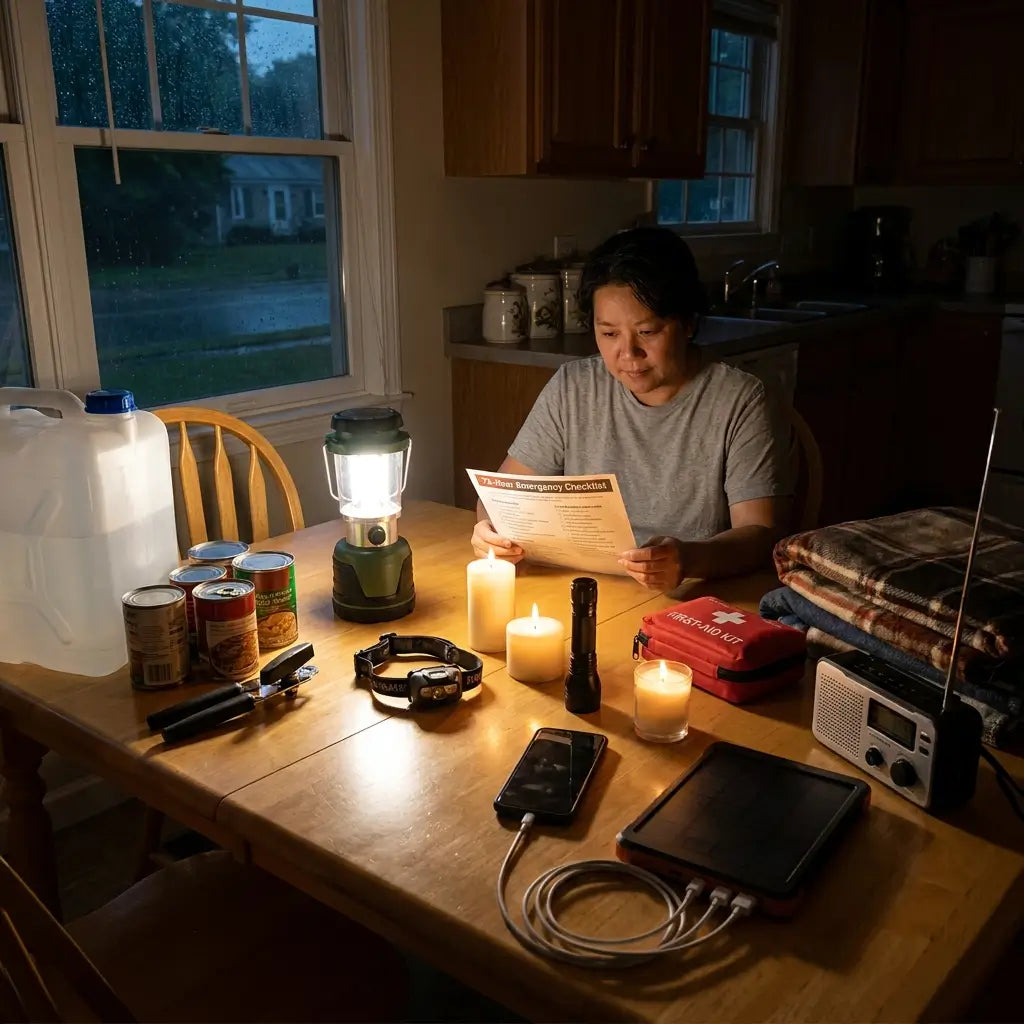
Carry More Power Than You Think You Need
Your phone is more than a camera.
It may hold your maps, booking confirmation, emergency information, and navigation.
Start the trip with everything fully charged.
Then carry backup power.
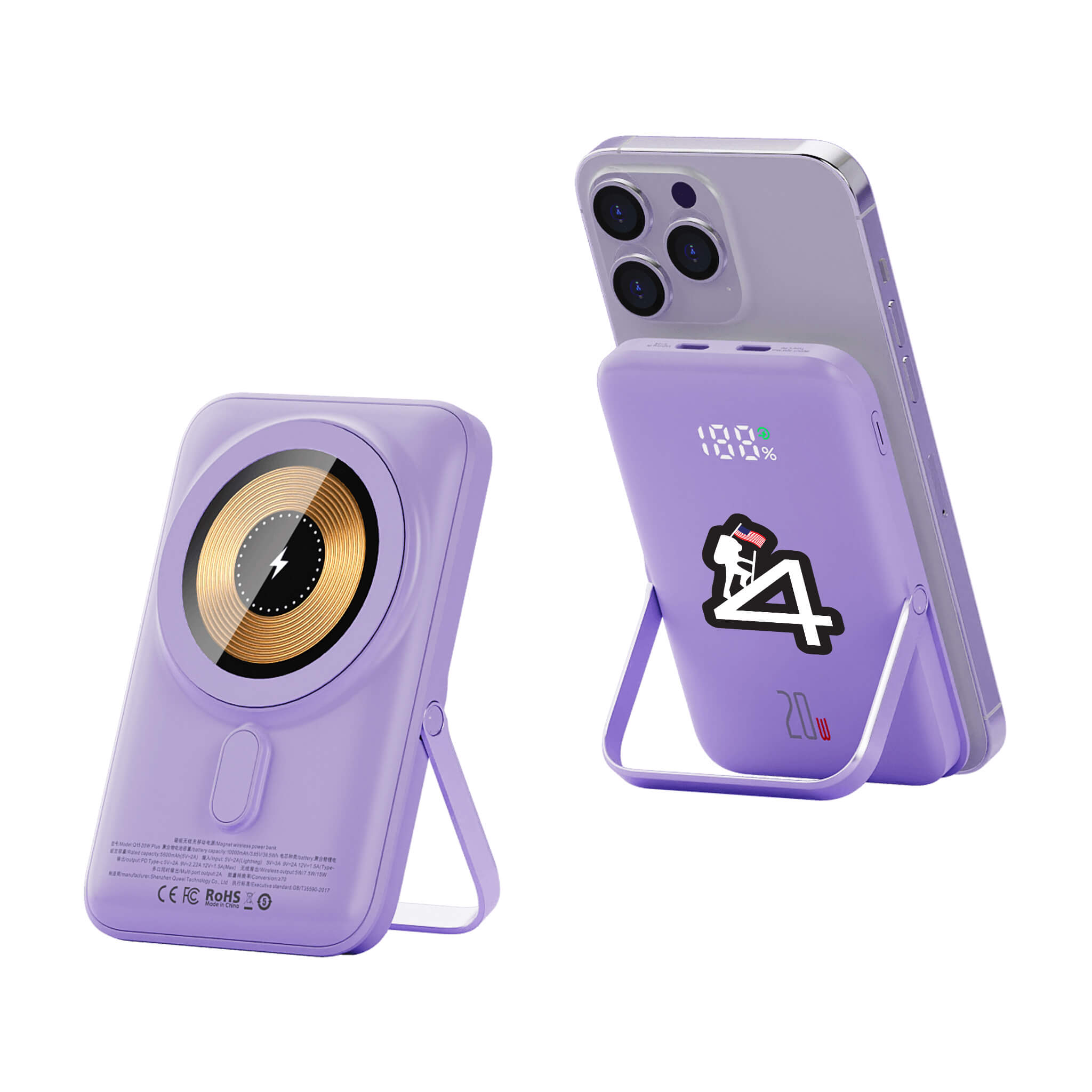
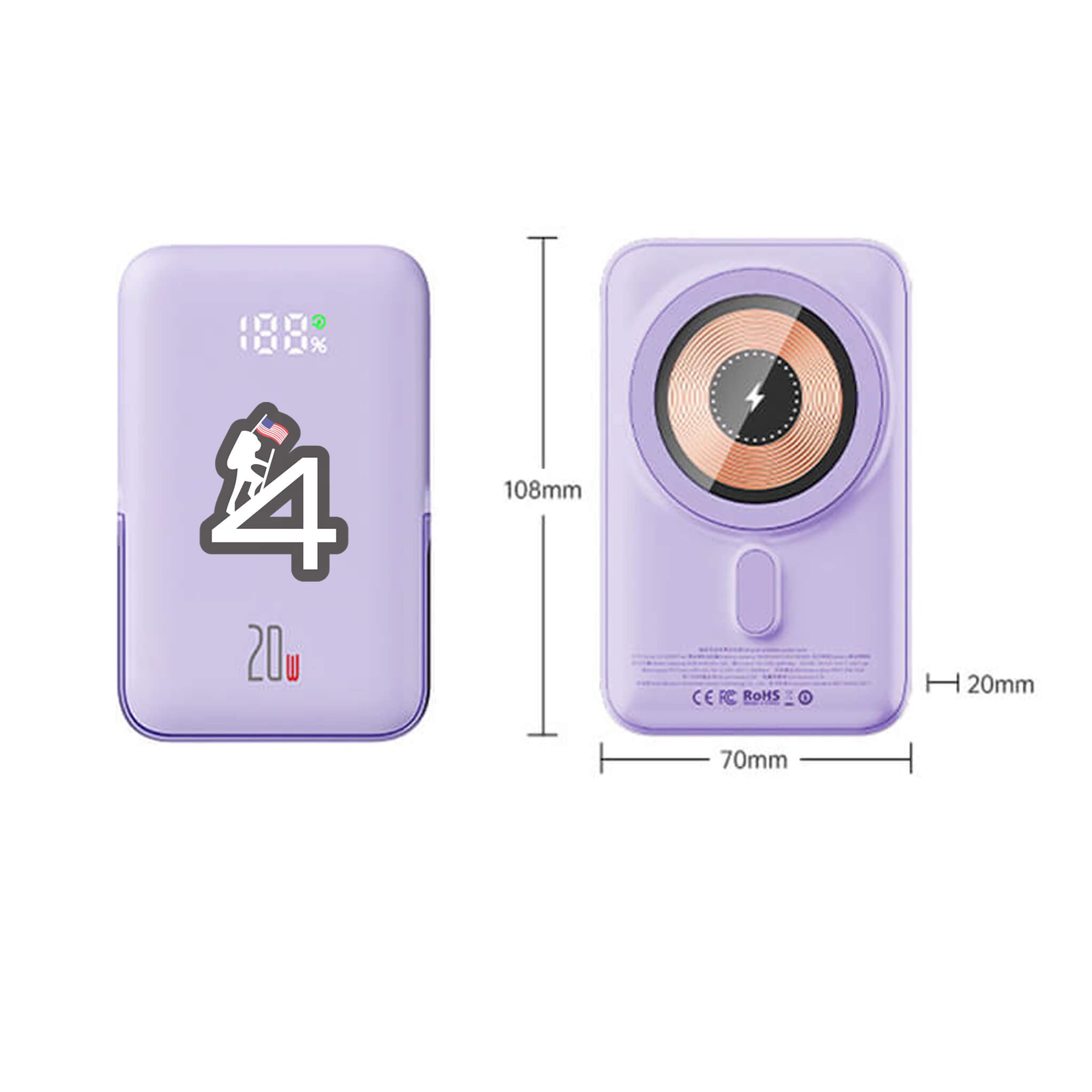
A high-capacity power bank gives you another charging option when the campsite has no electricity.
For longer trips, solar charging gear can help maintain essential power.
Just remember one thing.
Small solar panels are usually best viewed as a backup charging source. Weather and sunlight affect performance.
Do not wait until your phone reaches one percent.
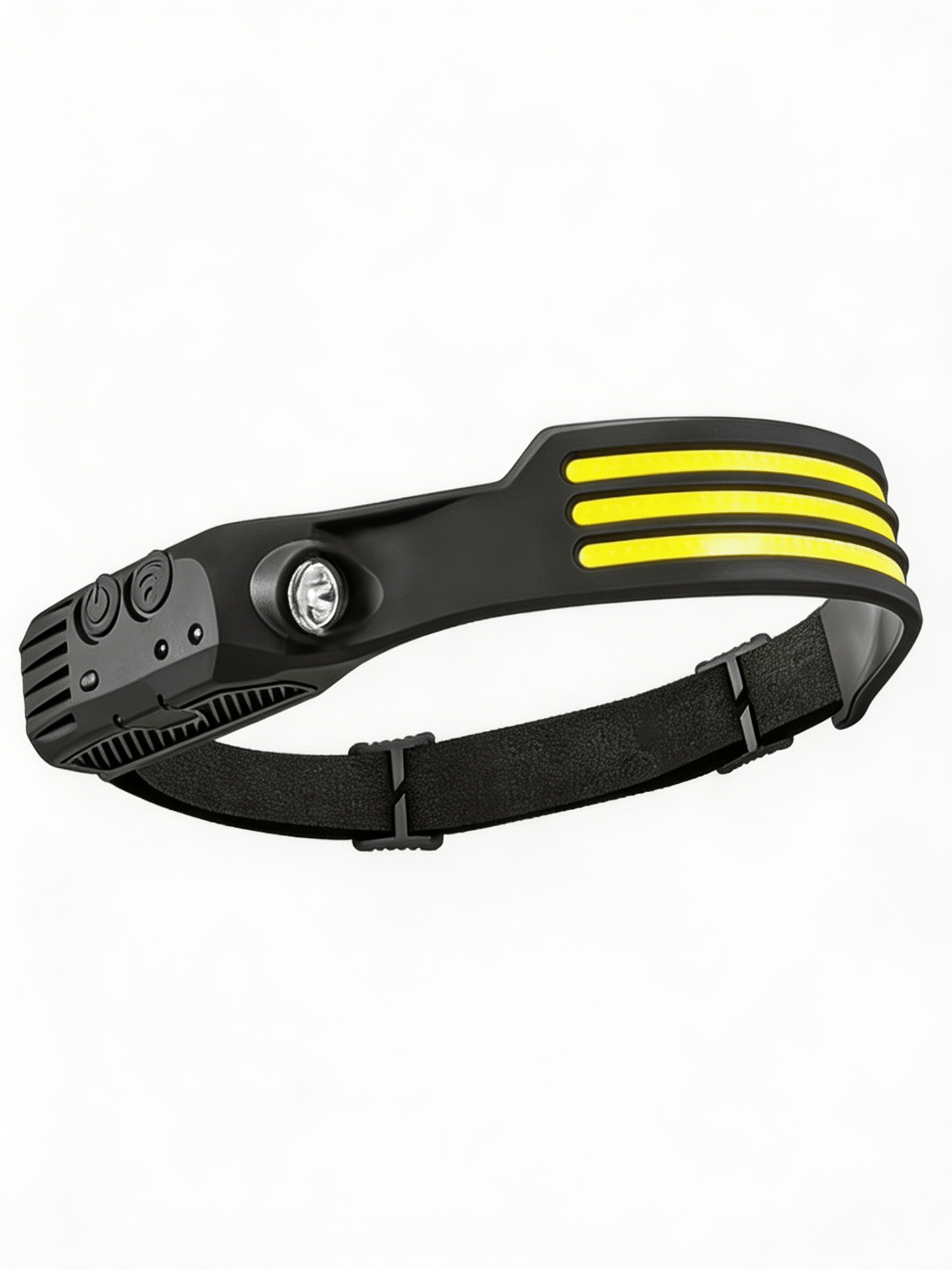
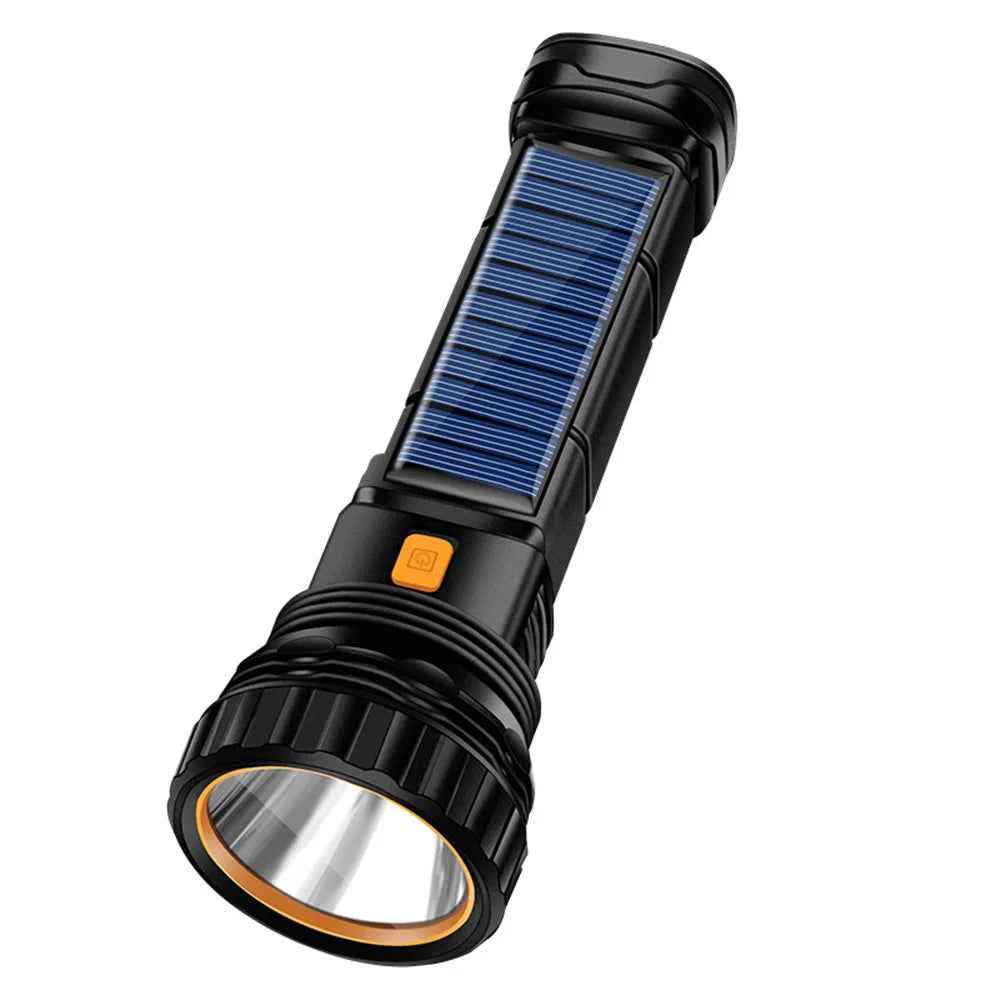
Always Carry Two Light Sources
One flashlight can fail.
One headlamp can get lost.
Bring a primary light and a backup.
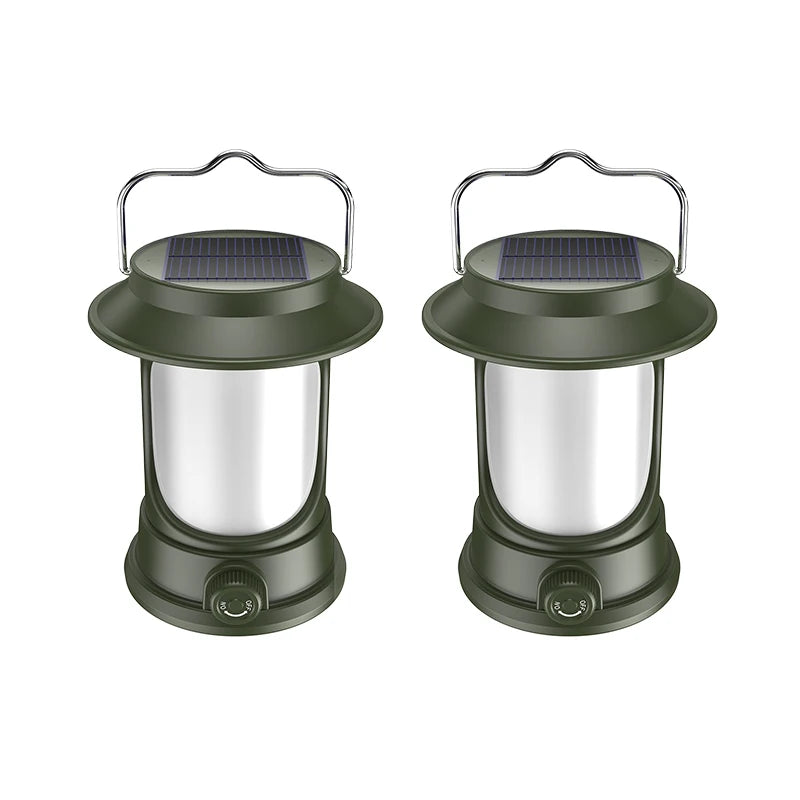
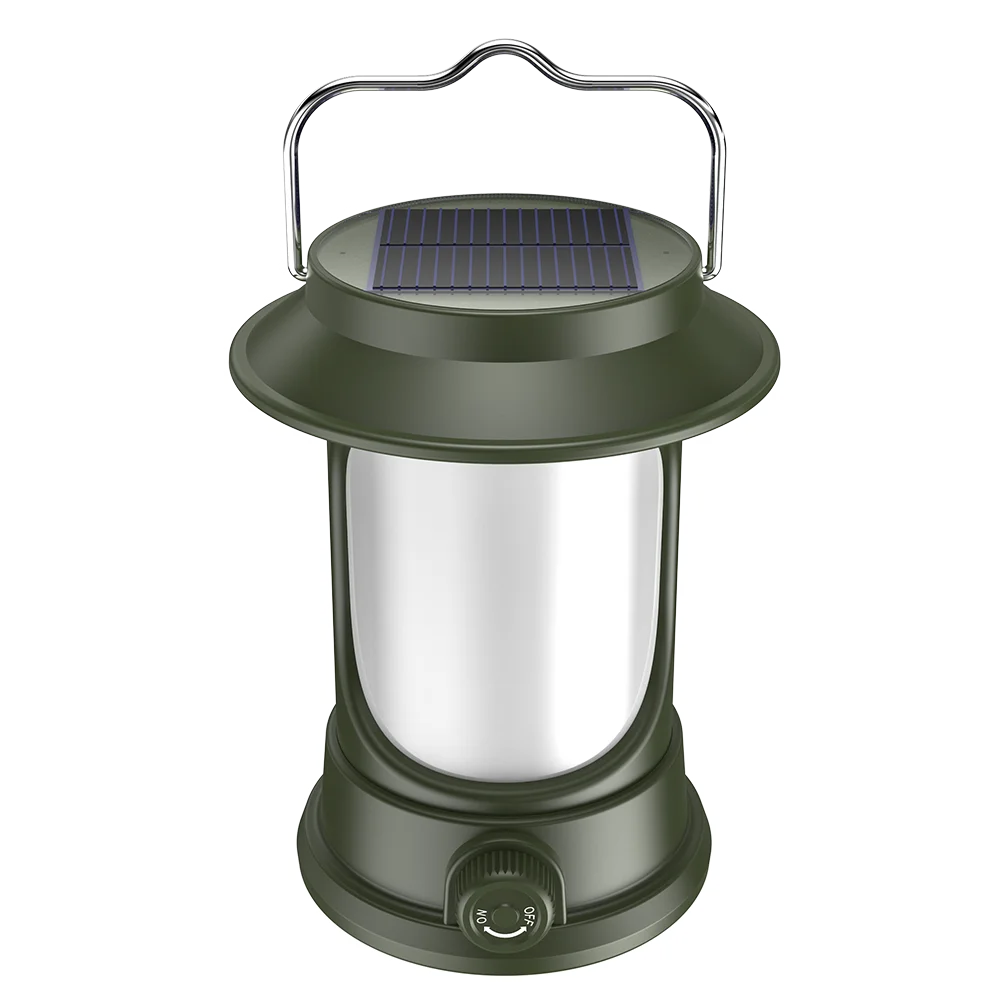
A lantern works well around camp. A flashlight or headlamp works better when moving through the dark.
This matters even more at unfamiliar campsites.
You may arrive later than planned.
Roads can take longer than expected.
Setting up camp becomes much easier with reliable lighting.
Download Maps Before Leaving
Never assume your phone will have signal.
Download offline maps before your trip.
Also save the campsite coordinates.
Take screenshots of reservation details and directions.
If possible, carry a physical map for remote trips.
Technology is useful.
A backup is smarter.
Bring Enough Water
Do not assume water shown on a map is safe to drink.
Streams can be seasonal.
Campground taps can be unavailable.
Bring enough water for your planned stay and a reasonable backup.
If you depend on natural water, carry a suitable treatment method and understand how to use it.
Check Your Setup Against the Weather
A new camping spot can have completely different conditions from your last trip.
Check:
- Overnight temperatures
- Rainfall
- Wind
- Fire danger
- Road conditions
- Flood warnings
Do this again before leaving.
A forecast can change.
FAQ: How to Find a New Camping Spot Near Me
What is the easiest way to find a new camping spot near me?
Start with maps and search by camping type. Look beyond major campgrounds. Check official land managers, recent reviews, and local rules before leaving.
How can I find quieter camping spots?
Search for smaller campgrounds, walk-in sites, primitive camping, and locations outside famous destinations. Weekdays and shoulder seasons also usually mean fewer campers.
Can I camp anywhere on public land?
No. Public access does not automatically allow overnight camping. Rules depend on the country, state, province, land manager, and specific location.
Find Your Spot. Pack Smart. Get Outside.
The best camping spot near you may not appear first on Google.
It may be a smaller campground behind a larger park. It may sit in a less famous forest. It may require a little more research and a longer drive.
That is often what makes it better.
Use maps. Check official rules. Read recent reports. Prepare your gear before leaving.
Then stop scrolling through the same crowded campsites.
Find a new spot, pack the essentials, and make your next camping trip one worth remembering.