The Silent Loss You Don’t See Coming
A blackout doesn’t just turn off the lights, it starts a countdown on your food. Most urban households depend entirely on electricity to keep food safe. Once the power goes out, your fridge begins to warm up within a few hours, and your freezer follows shortly after.
At first, everything looks fine. But inside, temperatures rise steadily. Bacteria begin to multiply, especially in meat, dairy, and cooked meals. The real problem is that you don’t see it happening. By the time food smells or looks off, it’s already too late.
Opening the fridge makes things worse. Every time you check, cold air escapes and speeds up the process. Without a plan, you lose a large portion of your food supply within a single day.
Why This Becomes a Serious Problem
Food spoilage during a blackout is more than just waste, it weakens your entire preparedness strategy. Fresh and protein-rich foods are usually the first to go. That means you lose the most valuable part of your diet early on.
In an urban environment, replacing food is not guaranteed. Stores may be closed, overcrowded, or unable to process payments. Supply chains can slow down or stop completely. What you have at home is what you must rely on.
This situation creates pressure fast. Less food means less energy, and poor food choices can affect your performance and decision-making. Many people underestimate how quickly this happens. A refrigerator can reach unsafe temperatures in about four hours, and a freezer begins to lose stability after one to two days.
Without preparation, you’re forced into reactive decisions instead of controlled action.
Stay in Control of Temperature and Access
The goal is simple: slow down temperature changes and use your food in the right order. You don’t need complex systems—just clear steps and a few reliable tools.
Start by keeping your fridge and freezer doors closed as much as possible. Every opening reduces cooling efficiency. Organize your food so that items are packed closely together, as this helps maintain lower temperatures for longer.
Use a thermometer instead of guessing. Safe limits are below 4°C (40°F) for fridges and below -18°C (0°F) for freezers. Once temperatures rise above that, the risk increases quickly.
Next, prioritize what you eat. Begin with highly perishable foods such as dairy, cooked meals, and fresh meat. Then move on to refrigerated items, followed by frozen foods, and finally your pantry reserves like canned goods and dry staples. This simple order reduces waste and ensures you get the most energy from your supplies.
Ice is one of your strongest tools. If you prepare in advance, keep water bottles in your freezer so they can act as thermal mass. During a blackout, move ice into the fridge to extend cooling time. If you have a cooler, transfer high-risk foods into it and surround them with ice.
It also helps to divide your storage. Don’t rely on a single fridge. Use coolers or insulated containers as backup zones. This way, even if one system fails, you don’t lose everything.
Finally, reduce air exposure. Wrap food tightly and use sealed containers whenever possible. Less air slows down spoilage and keeps temperatures more stable.
Gear-Check: Build Mobile Energy Independence
Having the right gear gives you a major advantage during a blackout. You don’t need a full generator setup, portable solutions are often enough to protect your food.
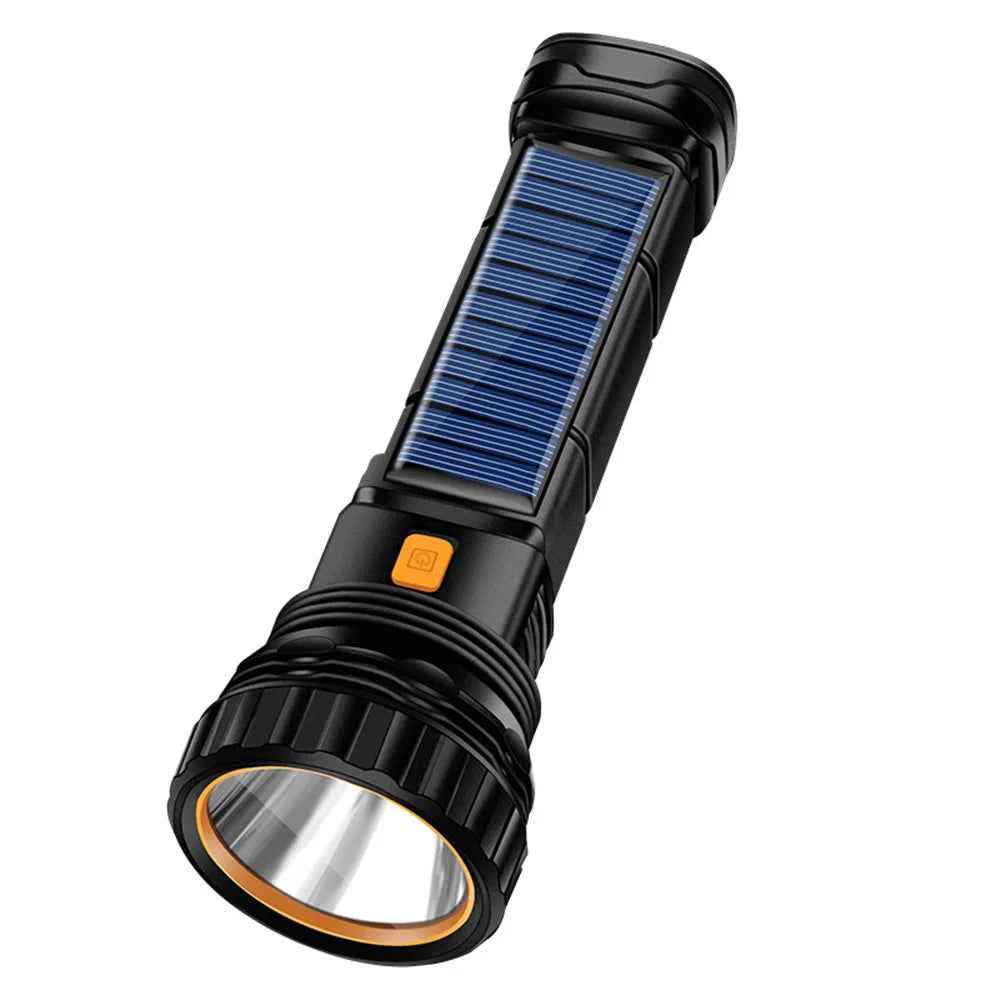
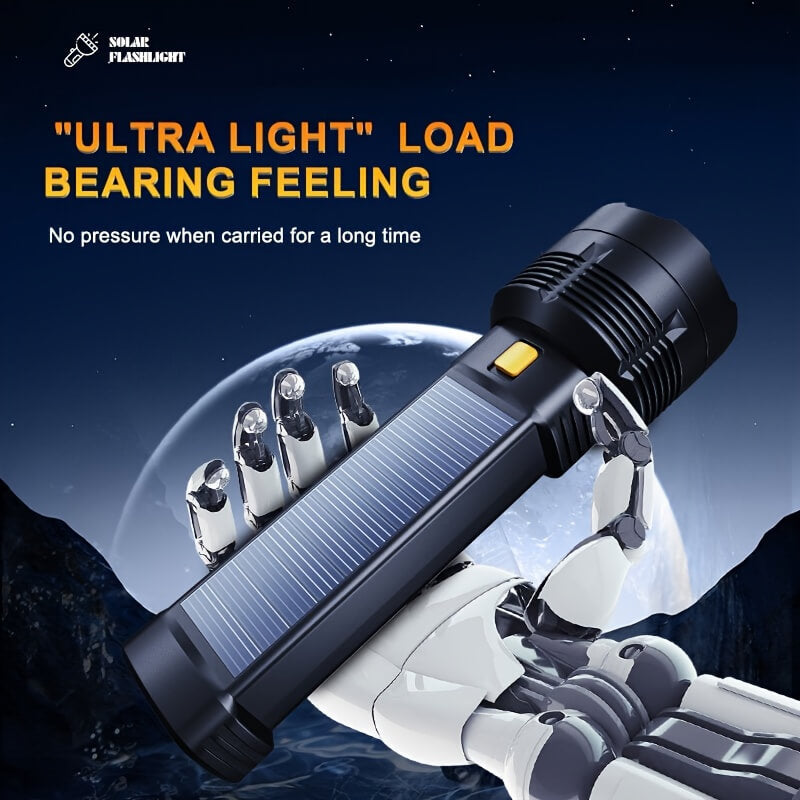
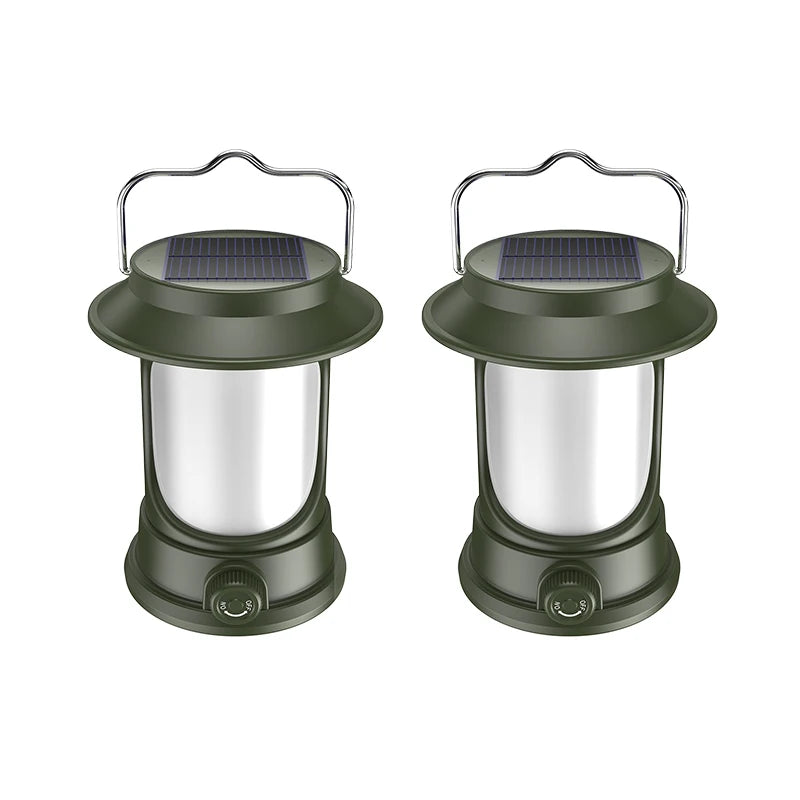
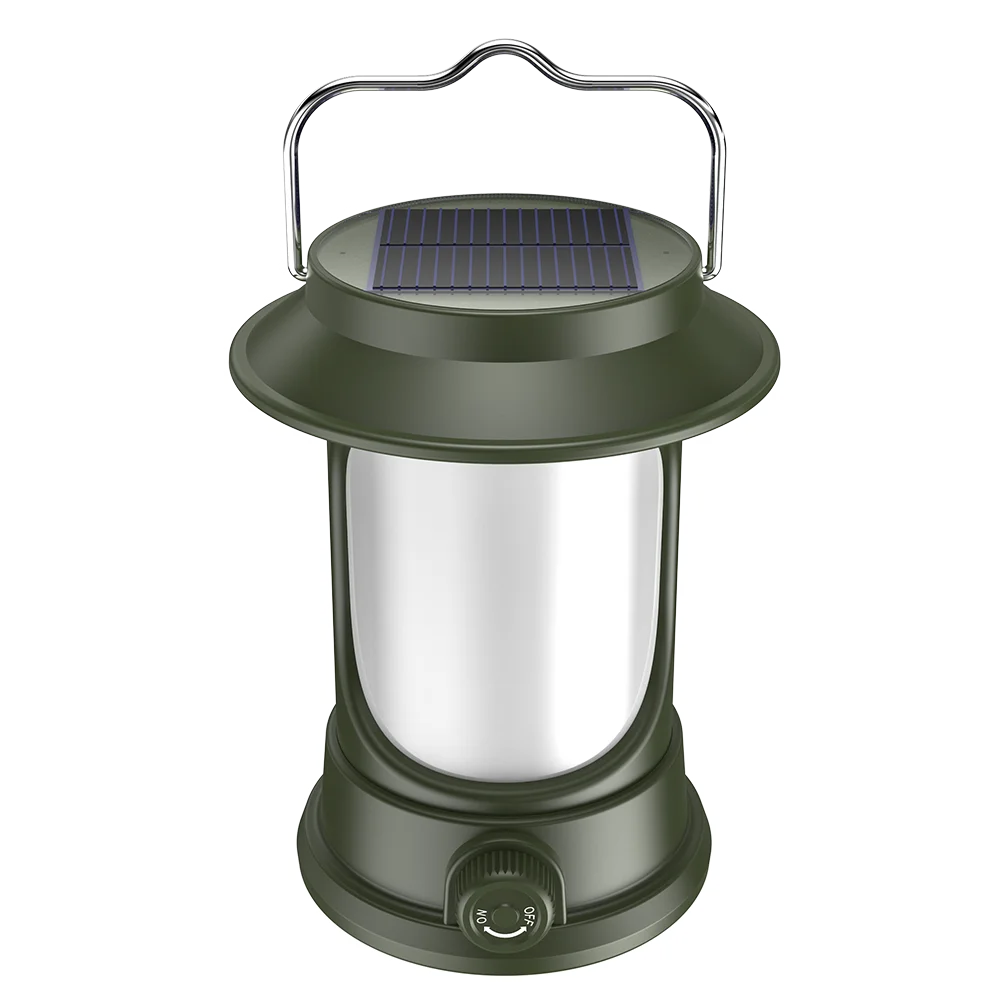
A solar charger is one of the most practical tools you can own. It allows you to generate power during the day without fuel or noise. Even in an urban setting, balconies or windows can provide enough sunlight to keep essential devices running. You can use this energy to power small cooling units, charge thermometers, or maintain lighting.
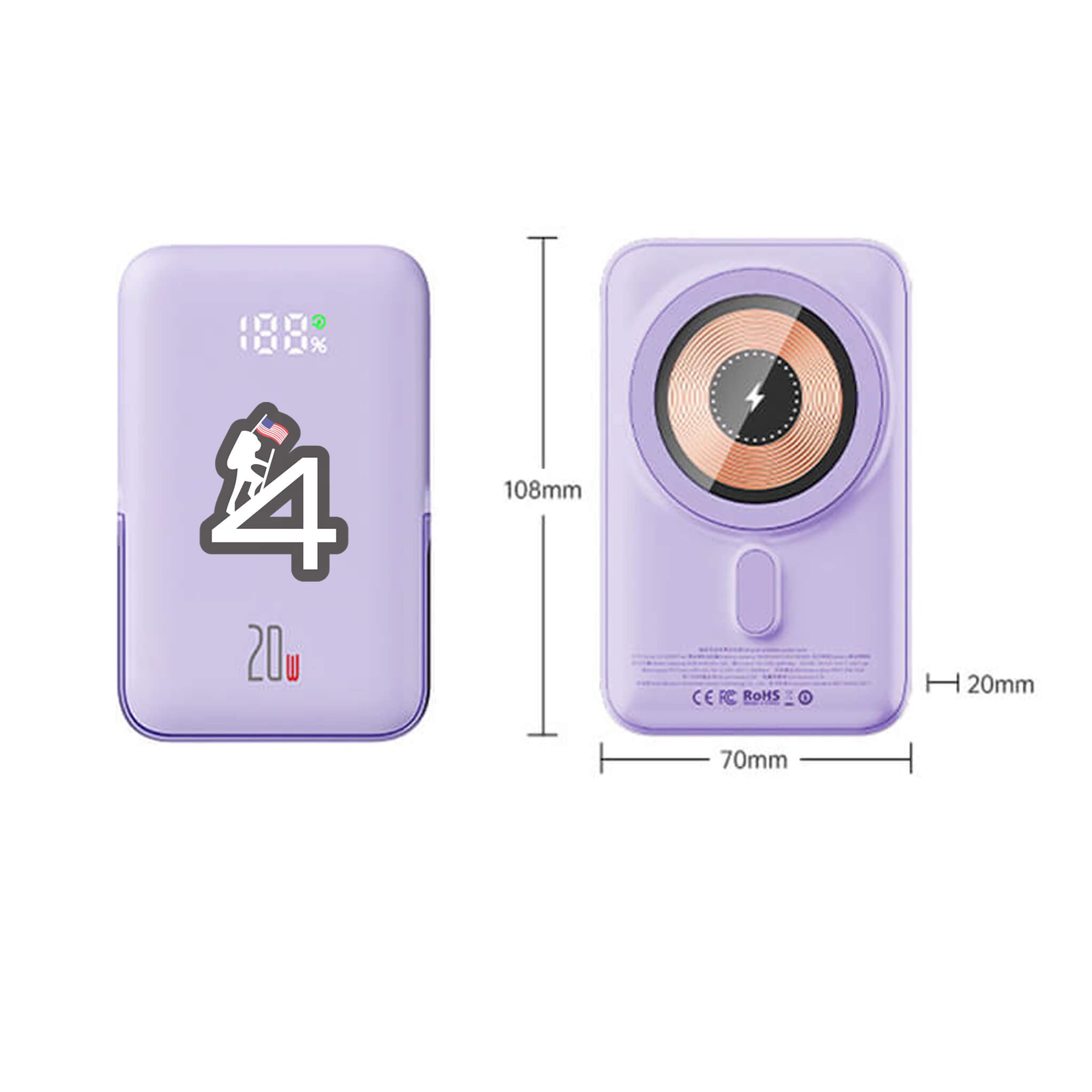
Power banks are your next layer of security. Capacity matters here. A standard 20,000 mAh power bank is enough for phones and small electronics, but for longer outages, you should consider units with 50,000 mAh or more. These allow you to keep communication devices running and support small cooling systems when needed.
Compact electric coolers are a strong addition to your setup. They consume less energy than full-size refrigerators and can significantly extend the life of your most important food items. When combined with a solar charger and high-capacity power bank, you create a flexible and independent cooling solution.
Temperature monitoring tools are often overlooked but essential. A simple digital thermometer tells you exactly when food is still safe and when it’s time to act. This prevents both unnecessary waste and health risks.
Finally, invest in a high-quality insulated cooler. These can maintain low temperatures for extended periods, especially when packed correctly with ice or frozen water bottles. Think of them as passive refrigerators that don’t rely on electricity.
FAQ
How long does food stay safe during a blackout?
A refrigerator can keep food safe for about four hours if it remains closed. A full freezer can maintain safe temperatures for 24 to 48 hours.
Can you refreeze food after it has thawed?
You can refreeze food if it still contains ice crystals and has remained cold. If it has fully thawed, it should be cooked before refreezing.
What foods should you always have as backup?
Stock foods that don’t require refrigeration, such as canned proteins, rice, pasta, nuts, and dried fruit. These provide reliable calories during outages.
Take Control Before the Next Blackout
Food spoilage during a blackout is predictable and preventable. The difference comes down to preparation and the right tools.
Start building your setup now. Add a solar charger, upgrade your power banks, and get a reliable cooler. Test your system so you know exactly how it performs under pressure.
Every step increases your independence and reduces risk. Don’t wait until the power goes out. Take control today and keep your food secure.