When protests escalate into riots, everyday routines can break down quickly. Roads close, public transport stops, shops shut early, and emergency services may struggle to reach certain areas. Even people who have no involvement in the unrest can find themselves caught in an unpredictable situation.
For anyone focused on civil unrest survival, the priority is not confrontation. It is avoiding danger, making sound decisions under pressure, and maintaining access to essentials until normal services resume.
France is a useful case study because demonstrations can affect major city centres, transport networks, and busy public spaces. However, conditions vary considerably between locations. A peaceful demonstration in one district does not mean an entire city is unsafe, and reports of violence should always be checked against reliable local information.
The central question is simple: Should you shelter in place or leave the area?
Both options have advantages and disadvantages. Choosing the right one depends on where you are, what is happening nearby, whether your home is safe, and whether you have a realistic destination.
1. Understand the Situation Before Making a Decision
Civil unrest is not a single, predictable event. A demonstration may remain peaceful, become disruptive, or escalate into violence in a specific area. The situation can also change as crowds move, transport routes close, or police establish barriers.
Before reacting, distinguish between three levels of disruption:
-
Localized disruption: A demonstration blocks a street or affects a station. Nearby areas may continue operating normally.
-
Widespread disruption: Multiple routes are affected, public transport is unreliable, and shops or public services temporarily close.
-
Immediate danger: Violence, fires, property destruction, or rapidly moving crowds create a direct threat to personal safety.
These categories are a practical decision aid, not an official threat classification.
Check reliable information
Use local police updates, municipal announcements, public transport operators, reputable news outlets, and official travel advice. Social media can provide useful observations, but old footage and unverified claims can make a situation appear more widespread than it is.
Do not travel toward a disturbance to see what is happening. If your route passes through an affected area, choose a safer alternative or postpone the journey.
2. Shelter-in-Place: When Staying Put Is the Safer Option
Shelter-in-place means remaining inside a safe building rather than travelling through an area affected by unrest. For many people, this is the lower-risk option when their current location is secure and there is no immediate threat to the building.
When to stay
Sheltering in place may be appropriate when:
-
Your home or accommodation is away from active violence.
-
Police or local authorities advise people to remain indoors.
-
Roads and public transport are disrupted.
-
You have sufficient food, drinking water, medication, and basic lighting.
-
Leaving would mean travelling through crowds, smoke, roadblocks, or an unfamiliar area.
If violence is happening nearby, stay away from windows facing the street and avoid balconies or entrances exposed to crowds. Lock doors and windows where appropriate, keep your phone charged, and monitor official updates.
Do not go outside to film events or investigate loud noises. If authorities issue instructions to evacuate or your building becomes unsafe, reassess immediately.
Advantages and disadvantages
| Advantages | Disadvantages |
|---|---|
| Avoids unnecessary exposure to crowds and confrontation | Supplies may be limited if disruption continues |
| No need to navigate blocked roads or transport closures | Power, internet, or mobile services may be disrupted |
| Keeps familiar supplies, medication, and facilities accessible | Staying may become unsafe if violence reaches the building |
| Often practical for short, localized disruptions | Requires reliable information and a safe indoor location |
Prepare your home for short disruptions
You do not need a bunker or months of supplies. Start with enough essentials to manage a temporary interruption without immediately needing to leave home.
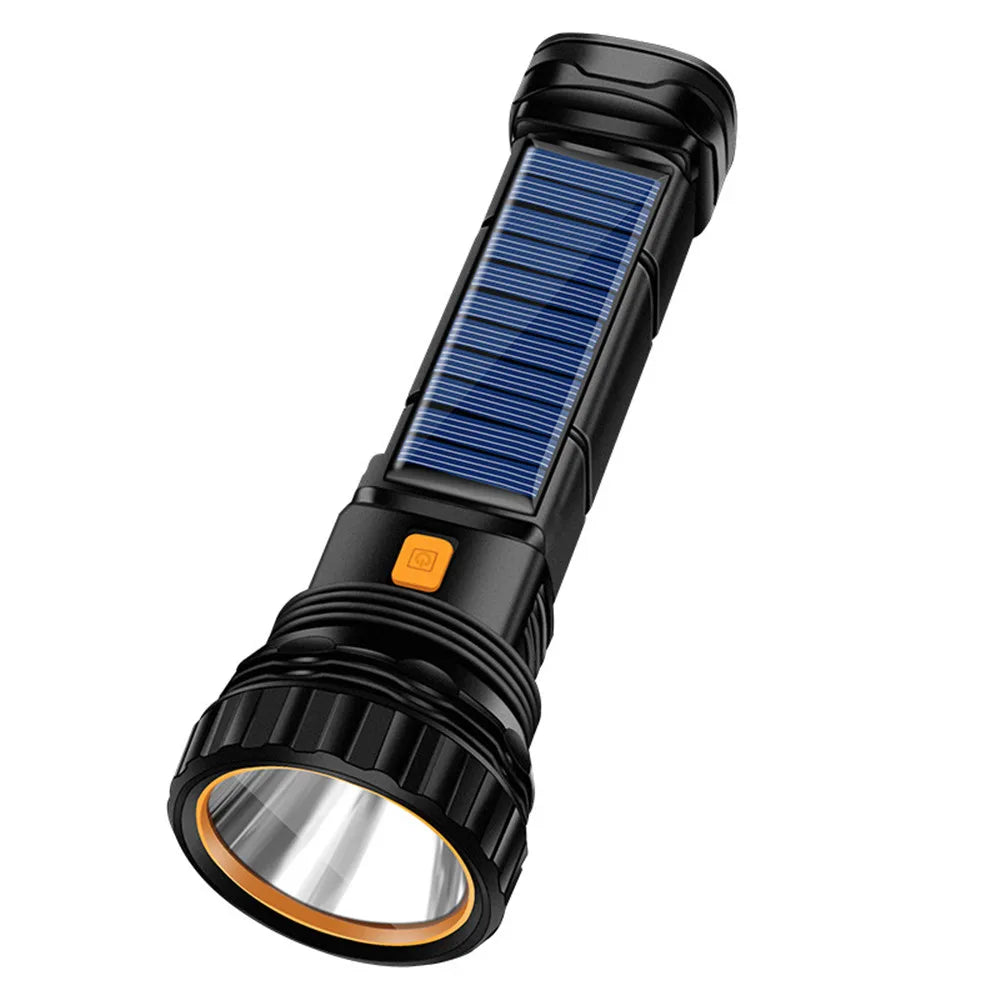
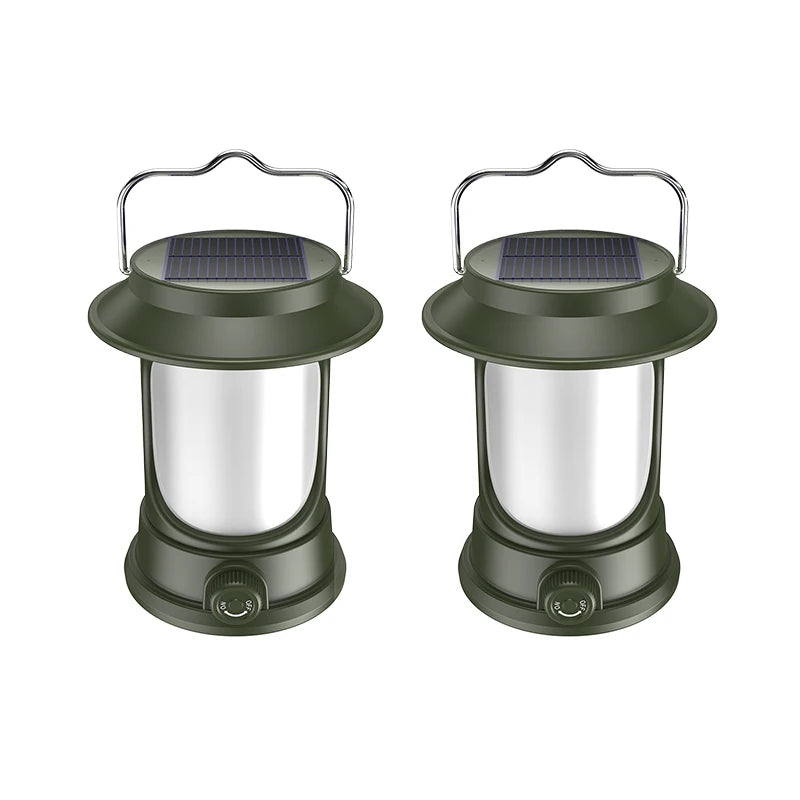
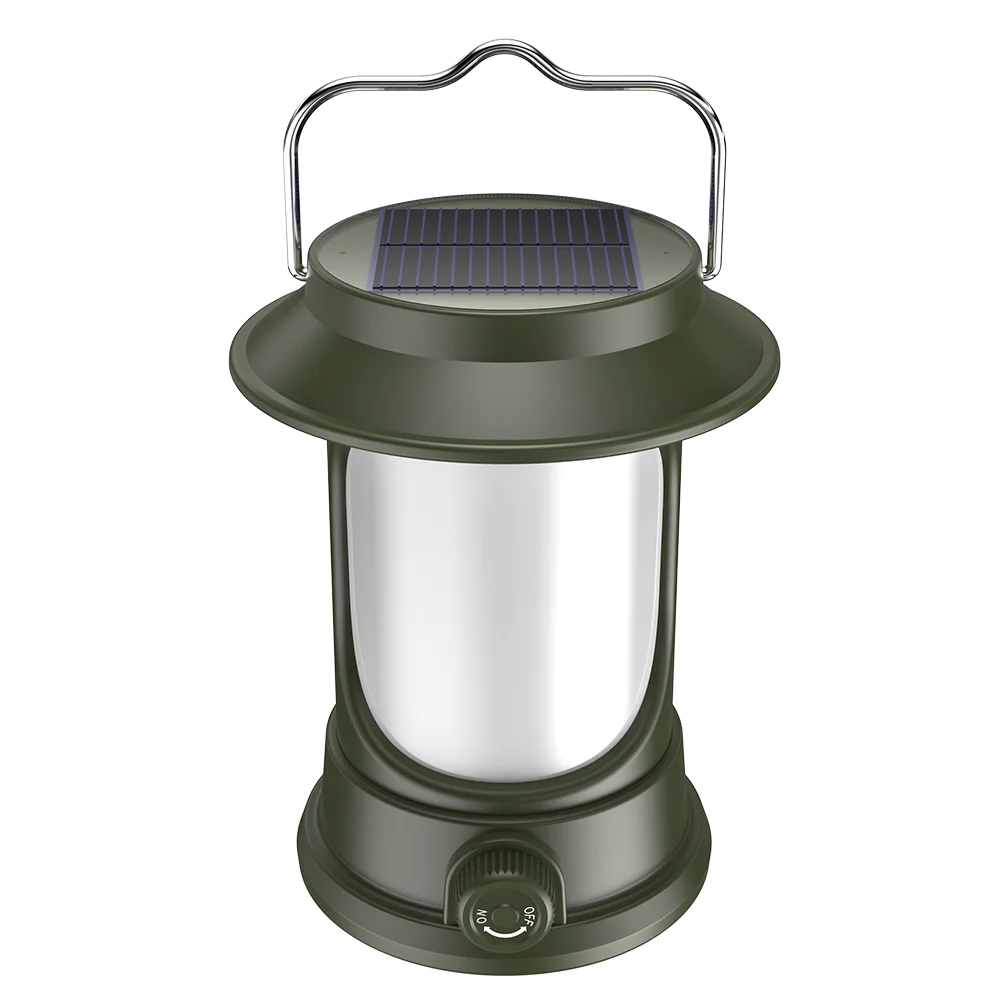
Keep drinking water, shelf-stable food, prescribed medication, hygiene supplies, a first-aid kit, batteries, and reliable lighting available. A charged power bank helps keep your phone usable during a power cut. A battery-powered radio can provide another source of information if mobile networks or internet access fail.
Store supplies where you can reach them without searching through boxes. Check expiry dates and replace items as you use them.
3. Bug-Out: When Leaving Is the Better Decision
Bugging out means leaving your current location for a safer destination. It is not automatically the best response to riots. Travelling can expose you to additional risks, particularly when routes are blocked or the situation is changing quickly.
Leaving becomes more reasonable when your building is threatened, authorities instruct residents to evacuate, essential services are unavailable for an extended period, or you have a clear and safer destination outside the affected area.
The objective is to move away from danger, not simply to move.
Before you leave
Ask yourself four questions:
-
Is remaining here more dangerous than travelling?
-
Is my destination confirmed and genuinely safer?
-
Can I reach it without passing through the affected area?
-
Do I have a backup route if transport or roads become unavailable?
If you cannot answer these questions, do not assume that leaving is safer. Move to a secure nearby location if necessary, seek official guidance, and avoid improvising a long journey through an unstable situation.
If evacuation is ordered, follow the instructions of local authorities. Do not cross police barriers or attempt to drive through crowds.
Advantages and disadvantages
| Advantages | Disadvantages |
|---|---|
| Creates distance from a location that has become unsafe | Travel may expose you to crowds or violence |
| Can provide access to safer accommodation and supplies | Roads, trains, and public transport may be disrupted |
| Useful when a building or neighbourhood is directly threatened | Requires a destination, transport, and contingency plan |
| May be necessary following an evacuation order | Can leave you without familiar support or local information |
4. Building a Practical Bug Out Bag for France
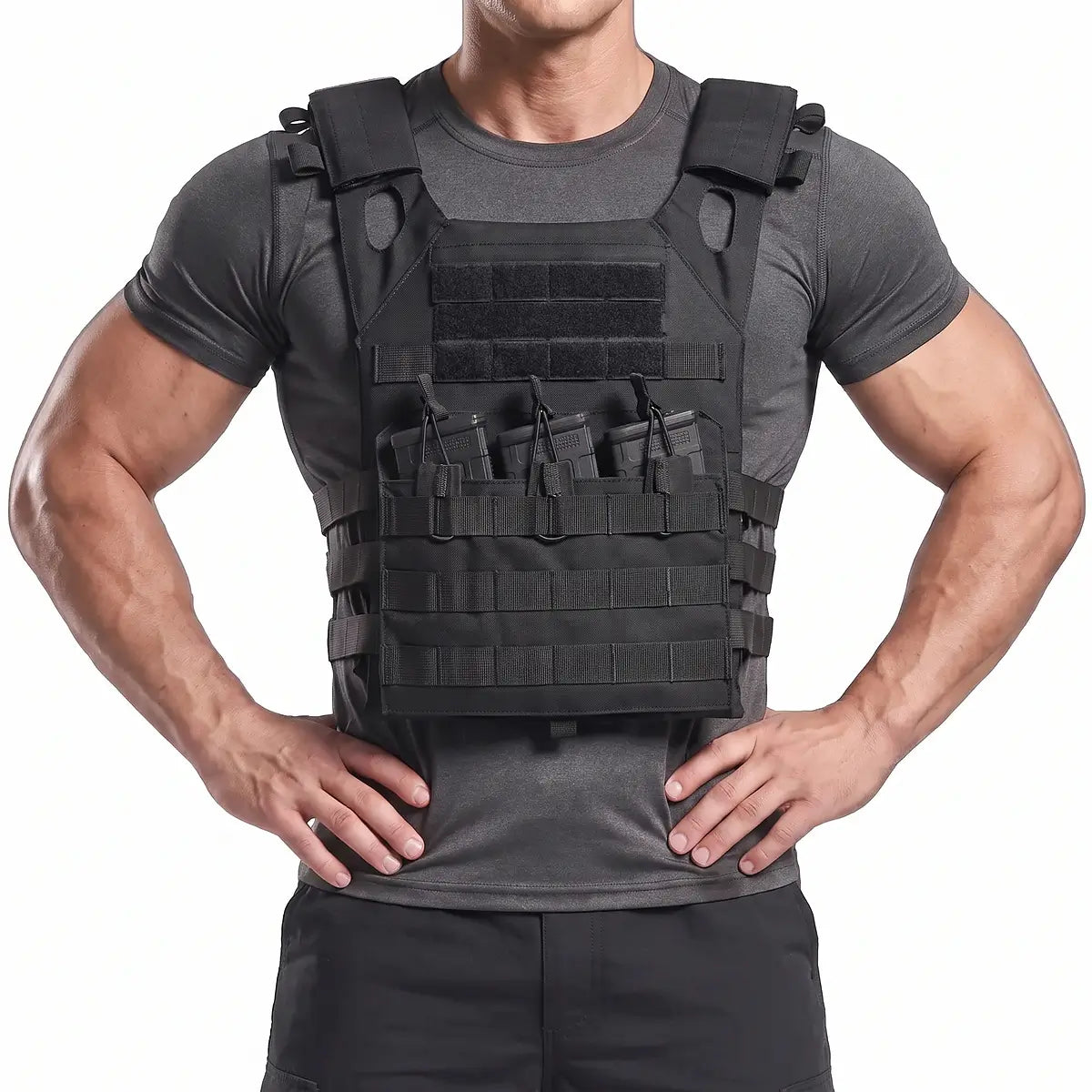
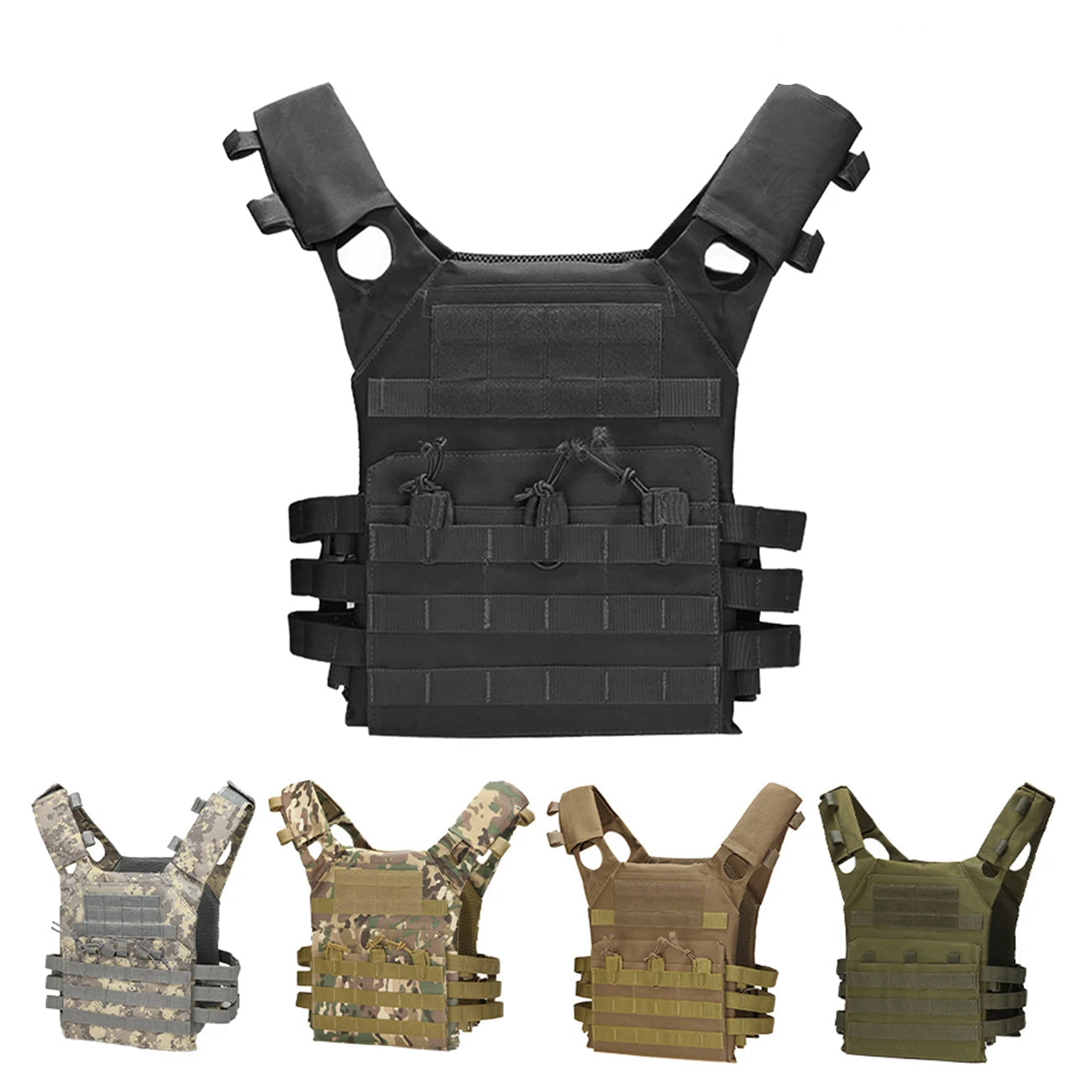
A bug out bag France plan should focus on mobility, communication, basic needs, and identification. For civil unrest, a compact bag that lets you move comfortably is usually more useful than a heavy pack filled with equipment you are unlikely to need.
The contents should reflect the season, the length of the journey, your health needs, and whether you are travelling by car or public transport.
Essential items
Documents and money
-
Identification and copies of essential travel documents
-
Emergency contact details on paper
-
Some cash and a payment card
-
Relevant accommodation, insurance, or transport information
Communication and power
-
Fully charged mobile phone
-
Power bank and compatible charging cable
-
Portable radio where practical
-
Written contact details in case your phone becomes unavailable
Water, food, and health
-
Drinking water suitable for the expected journey
-
Compact, shelf-stable snacks
-
Necessary medication and a basic first-aid kit
-
Personal hygiene supplies and any essential medical information
Clothing and visibility
-
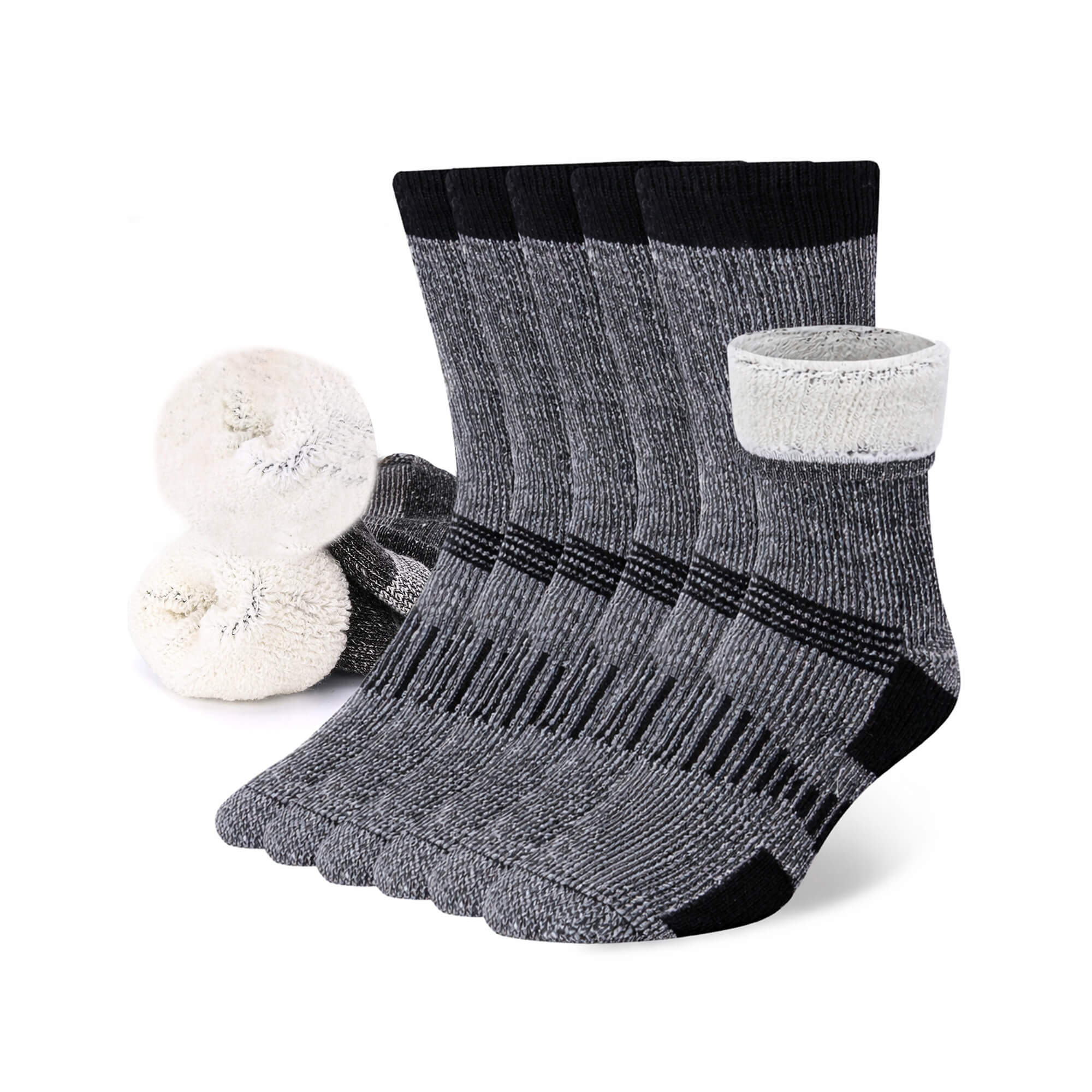
Weather-appropriate layers
-
Comfortable walking shoes
-
A lightweight rain jacket
-
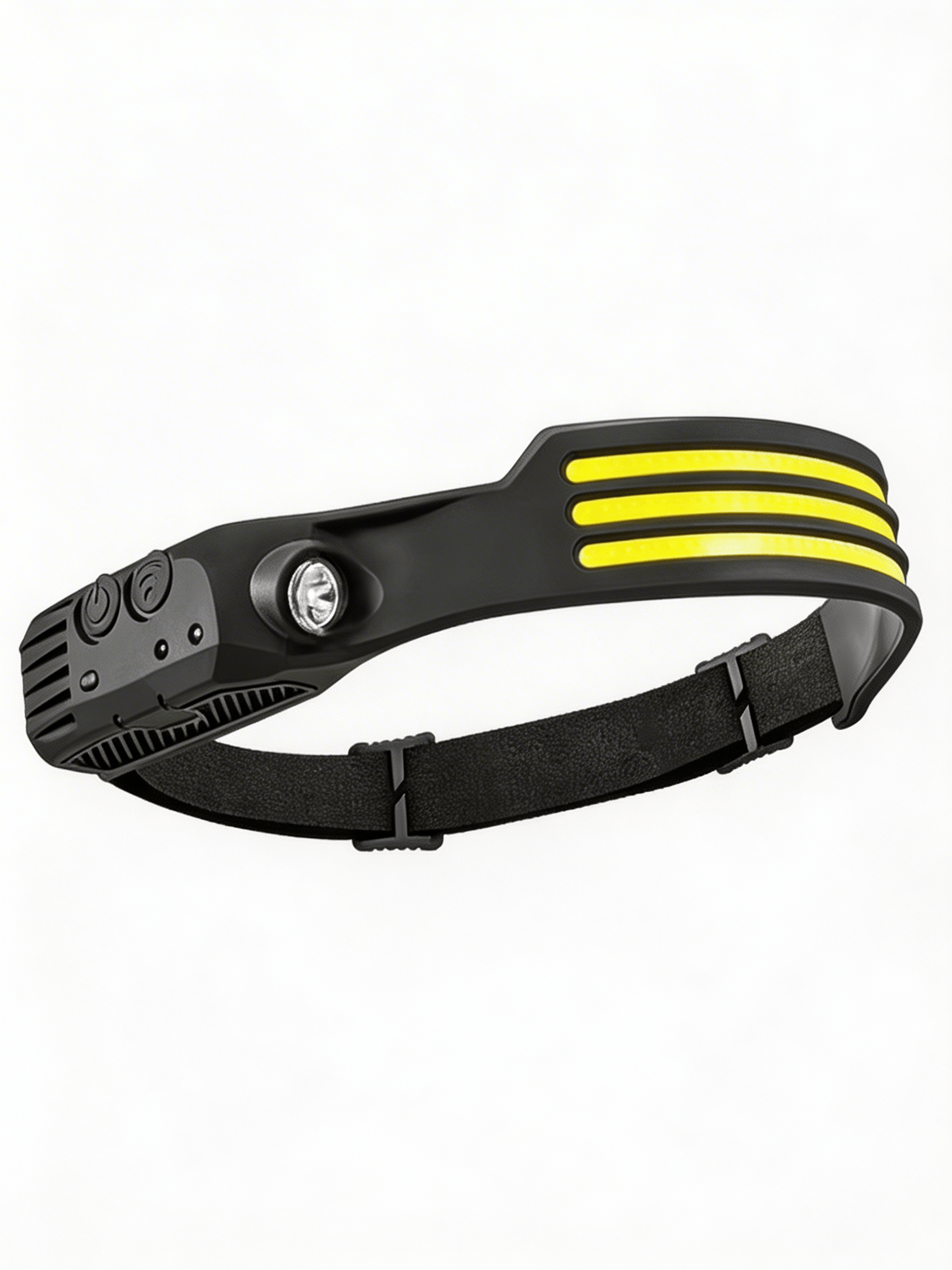
A small flashlight or headlamp
Keep the bag light enough to carry for several hours. Check it periodically, especially before travel, and replace expired supplies.
A bag is only one part of preparedness. It does not make an unsafe route safe, guarantee transport, or replace a destination and communication plan.
5. Urban Riots Safety: What to Do If You Are Caught Nearby
Good urban riots safety starts with distance and de-escalation. Do not join confrontations, challenge participants, or attempt to intervene in clashes.
If you encounter a crowd that appears tense or begins moving unpredictably:
-
Leave early if you can do so safely. Use a route that takes you away from the crowd rather than deeper into it.
-
Keep your movements calm. Avoid pushing, shouting, or making sudden movements that could increase tension.
-
Do not stop to record events. Filming can delay your escape and may draw unwanted attention.
-
Avoid police lines, barriers, fires, and damaged structures. Never attempt to cross a cordon.
-
Follow official instructions. If police direct people away from an area, comply where it is safe to do so.
-
If you cannot leave safely, seek suitable shelter. Move into a secure building away from street-facing windows, if available.
If a crowd becomes dangerously dense, avoid pushing against the flow. Move toward an open edge when a safe opportunity appears, and protect your ability to breathe. If you are injured or in immediate danger, contact emergency services when it is safe to do so.
In France, the European emergency number 112 can connect callers to emergency assistance. Use it for genuine emergencies, provide your location as clearly as possible, and follow the operator's instructions.
6. The Decision Framework: Stay or Go?
Use this simple framework to avoid making decisions based on fear or rumours.
Choose shelter-in-place when:
-
Your current building remains secure.
-
The disturbance is localized and not approaching your location.
-
Authorities have not ordered evacuation.
-
Travelling would expose you to greater uncertainty.
Consider leaving when:
-
Your building or immediate surroundings are becoming unsafe.
-
Authorities instruct you to evacuate.
-
You have a confirmed, safer destination and a viable route.
-
Remaining would expose you to a clear and increasing risk.
Reassess when conditions change
A decision made an hour ago may no longer be appropriate. Continue monitoring official information, check the safety of your immediate surroundings, and be ready to change plans.
If you are staying, keep your essentials accessible. If you are leaving, take only what you can carry safely and tell a trusted contact where you are going, provided doing so does not delay your departure or increase risk.
7. Common Mistakes During Civil Unrest
Avoid these preventable errors:
-
Leaving without a destination: Driving away without knowing where you can safely stay may create more problems than it solves.
-
Waiting too long to reassess: A secure location can become unsafe if conditions change.
-
Trusting every social media post: Verify reports before making major decisions.
-
Overpacking: A heavy bag reduces mobility and slows you down.
-
Ignoring everyday needs: Medication, identification, water, and phone power can matter more than specialized equipment.
-
Assuming every protest is violent: Assess the specific location and current conditions rather than treating an entire city as dangerous.
Preparedness should make your decisions calmer and more flexible, not encourage unnecessary travel or confrontation.
FAQ: Civil Unrest Survival in France
1. Is it safer to stay home during riots in France?
Often, yes, if your building is secure and the disturbance is not threatening your immediate area. If authorities issue an evacuation order or your location becomes unsafe, follow official instructions and seek a safer place.
2. When should I use a bug out bag?
Use it when leaving is safer than remaining and you have a viable route and destination. It is also useful for planned evacuations or unexpected travel disruptions. Carrying a bag alone is not a reason to leave.
3. What should a bug out bag for France contain?
Prioritize identification, emergency contacts, cash, a phone and power bank, water, snacks, essential medication, first aid, a flashlight, and weather-appropriate clothing. Adapt the contents to the journey and your personal needs.
4. Should I avoid French cities during demonstrations?
Not necessarily. Conditions differ by city, neighbourhood, and time. Check current local information, avoid demonstration routes when advised, and follow instructions from authorities.
5. What is the most important rule during civil unrest?
Avoid confrontation and prioritize distance from danger. Do not approach violent crowds, attempt to cross barriers, or take unnecessary risks to observe events.
Final Thoughts: Preparedness Means Having Options
Civil unrest does not make every street or city unsafe, but it can disrupt the services people depend on. The practical response is to understand the local situation, maintain basic supplies, and decide in advance when staying is safer than leaving.
For most households, a secure place to shelter, a charged phone, essential supplies, and a realistic communication plan are the starting point. A lightweight bug out bag provides another option if circumstances require you to move.
Build your plan around the risks you may realistically face. Stay informed, avoid confrontation, and be ready to adapt when reliable information changes.
Want to improve your everyday preparedness? Visit the Survival4Future Survival Checklist to review essential supplies and practical steps for building a more reliable emergency plan.