Across large parts of the United States, winter is hitting hard right now. Heavy snow, freezing temperatures, road closures, and power outages are no longer something people watch on the news. They’re happening outside their windows.
Moments like this expose a simple truth: comfort disappears quickly when infrastructure stops working. Heat, light, mobility, and communication suddenly feel fragile.
This is where preparedness stops being a theory.
If you value freedom, self‑reliance, and staying calm when conditions turn against you, this guide is for you.
Why Snowstorms Are More Dangerous Than They Look
Snowstorms aren’t dramatic like hurricanes. They don’t feel explosive. That’s exactly why they catch people off guard.
Most winter emergencies don’t come from snow itself. They come from what snow disrupts: power grids failing, roads becoming impassable, heating systems breaking down, supplies running out faster than expected, and help arriving late — if it arrives at all.
Cold magnifies small mistakes.
Preparation turns cold into inconvenience instead of danger.
First Rule: Control Your Energy Situation
When the power goes out during a snowstorm, everything changes instantly.
No heating assistance. No lights. No communication.
Prepared people don’t scramble, they switch plans.
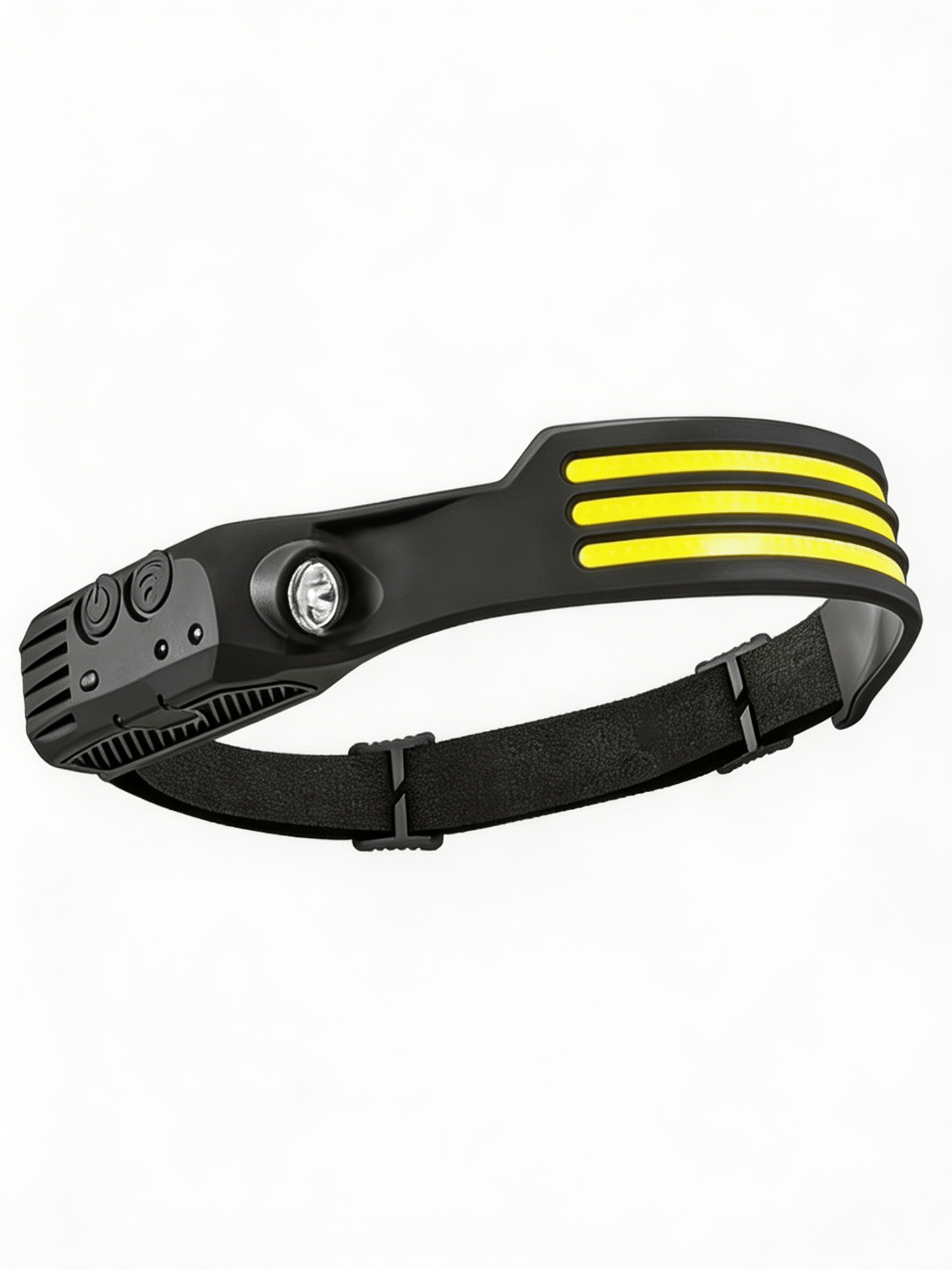
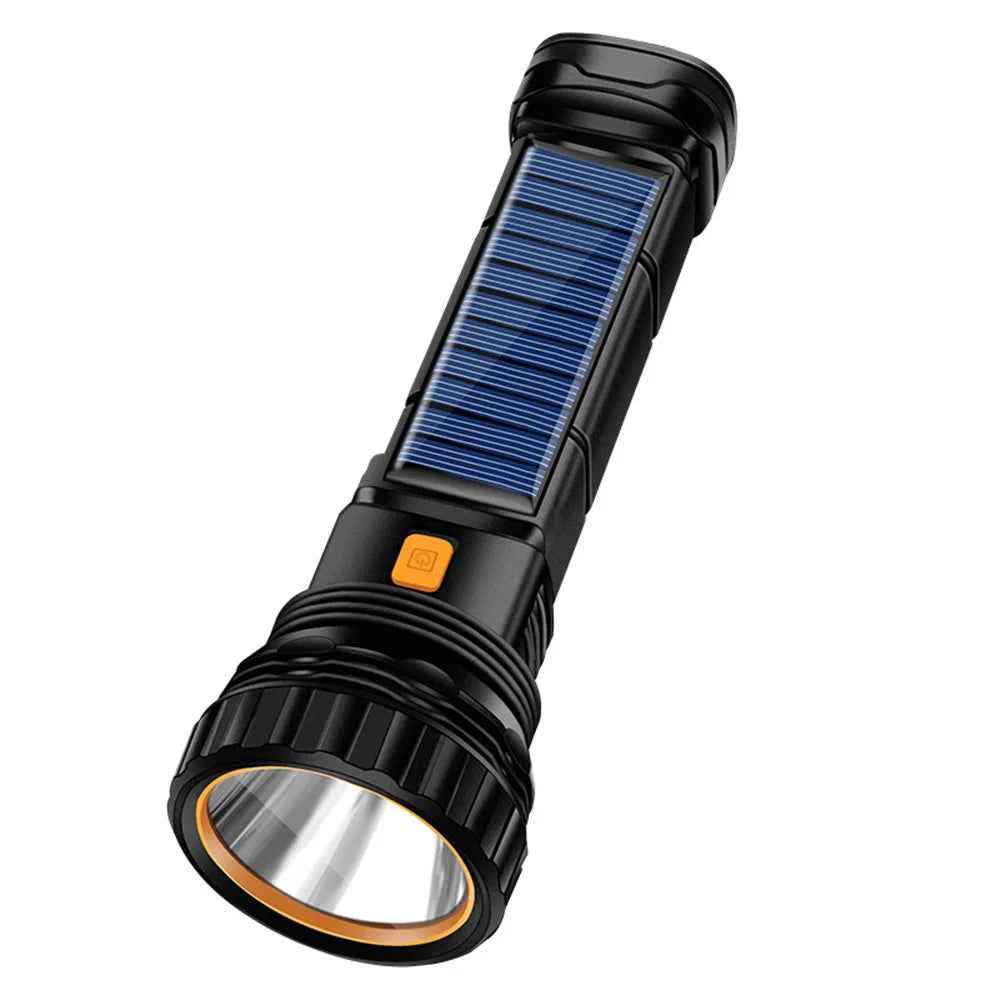
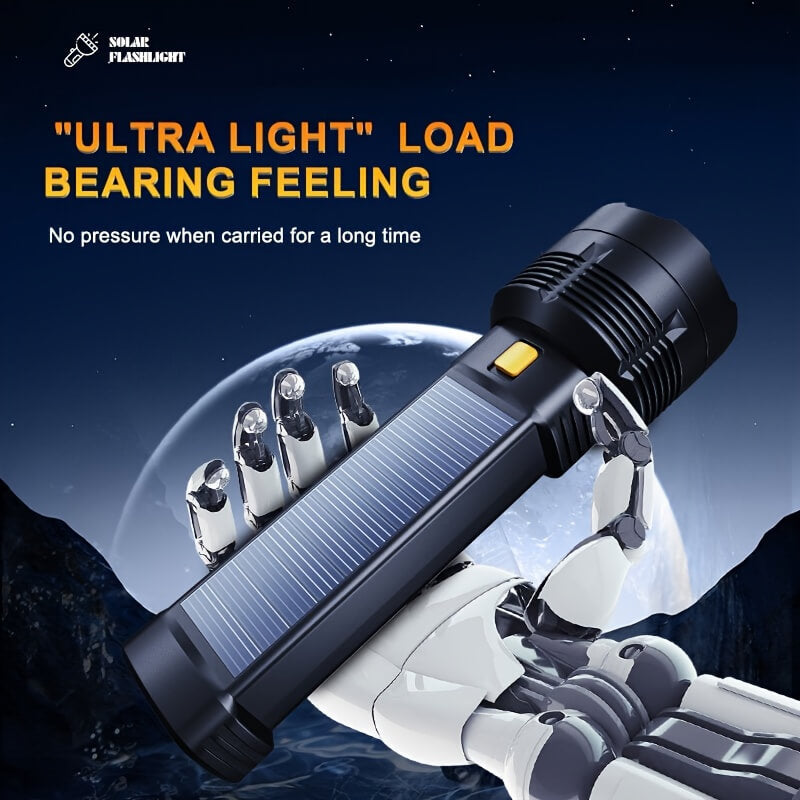
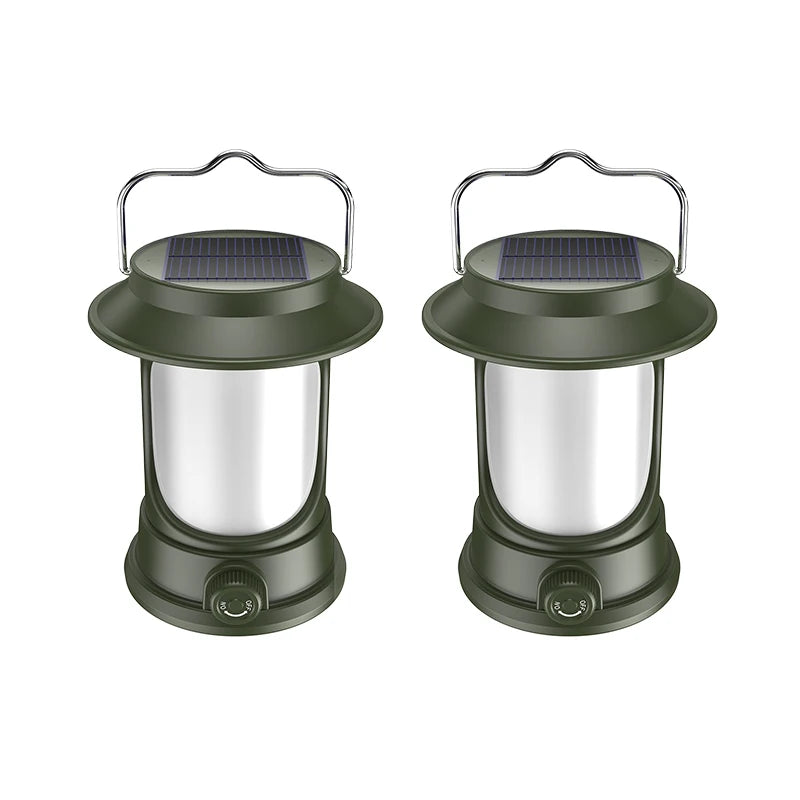
What matters most in that moment is simple: the ability to keep essential devices charged, reliable light sources, and low-energy solutions that work silently.
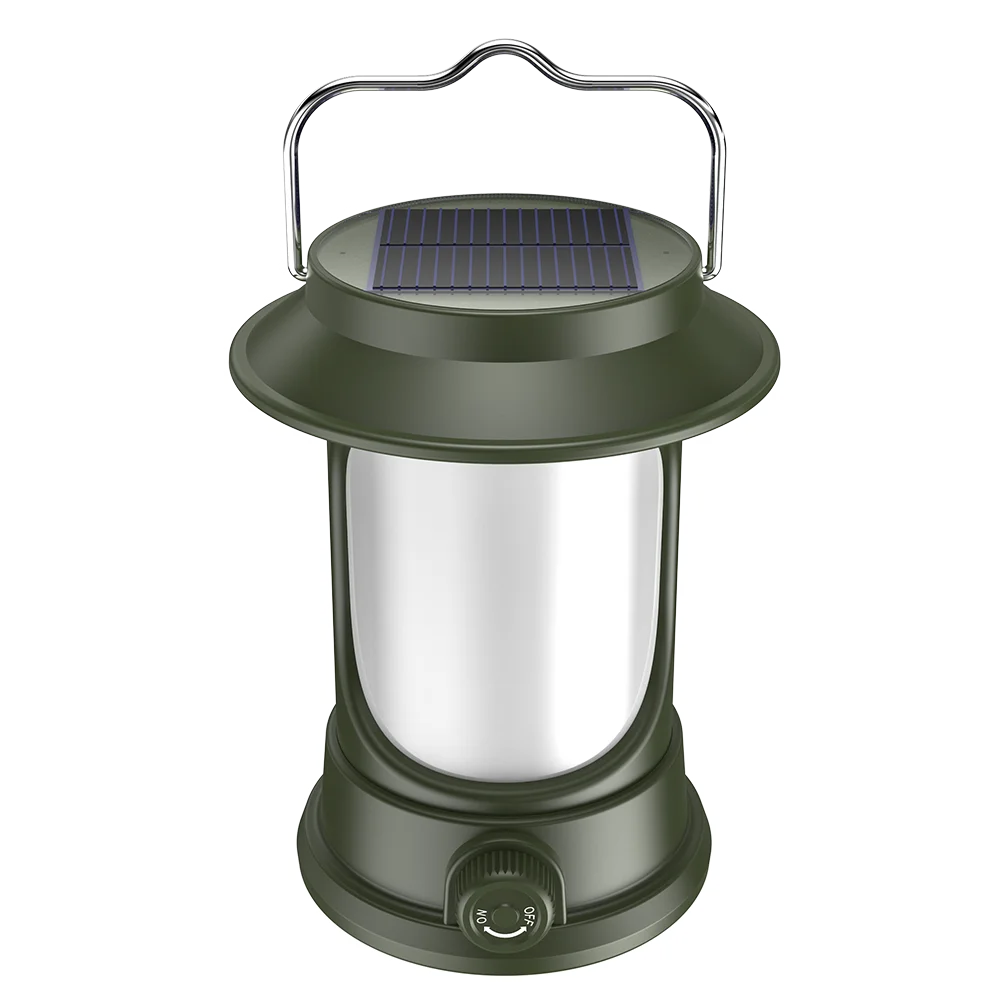
Solar and rechargeable power solutions are especially valuable because they don’t rely on fuel, noise, or fragile supply chains.
If you can keep your phone charged and your space lit, you’re already ahead of most households.
Stay Put Beats Going Out
One of the biggest mistakes during snowstorms is unnecessary movement.
Whiteout conditions, black ice, and limited visibility turn short trips into serious risks.
Unless movement is absolutely essential, staying where you are is usually the safest choice. Conserve energy. Limit exposure. Avoid unnecessary risks.
If you do have to go outside, dress in layers rather than bulk, keep extremities warm and dry, and avoid sweating. Moisture becomes dangerous quickly in cold conditions.
Cold drains energy faster than people expect.
Feet Matter More Than You Think
Cold feet don’t just feel bad — they reduce circulation, balance, and decision-making.
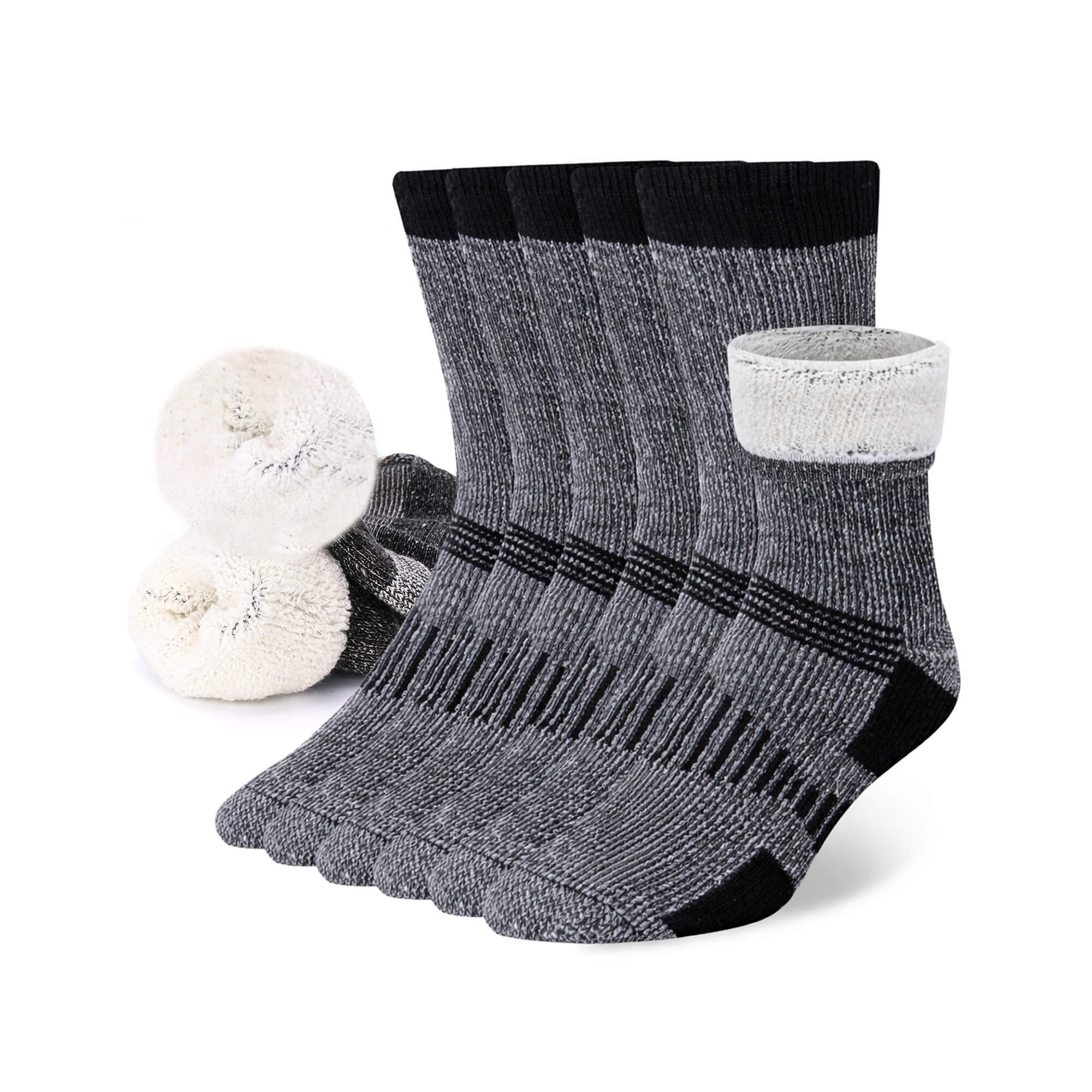
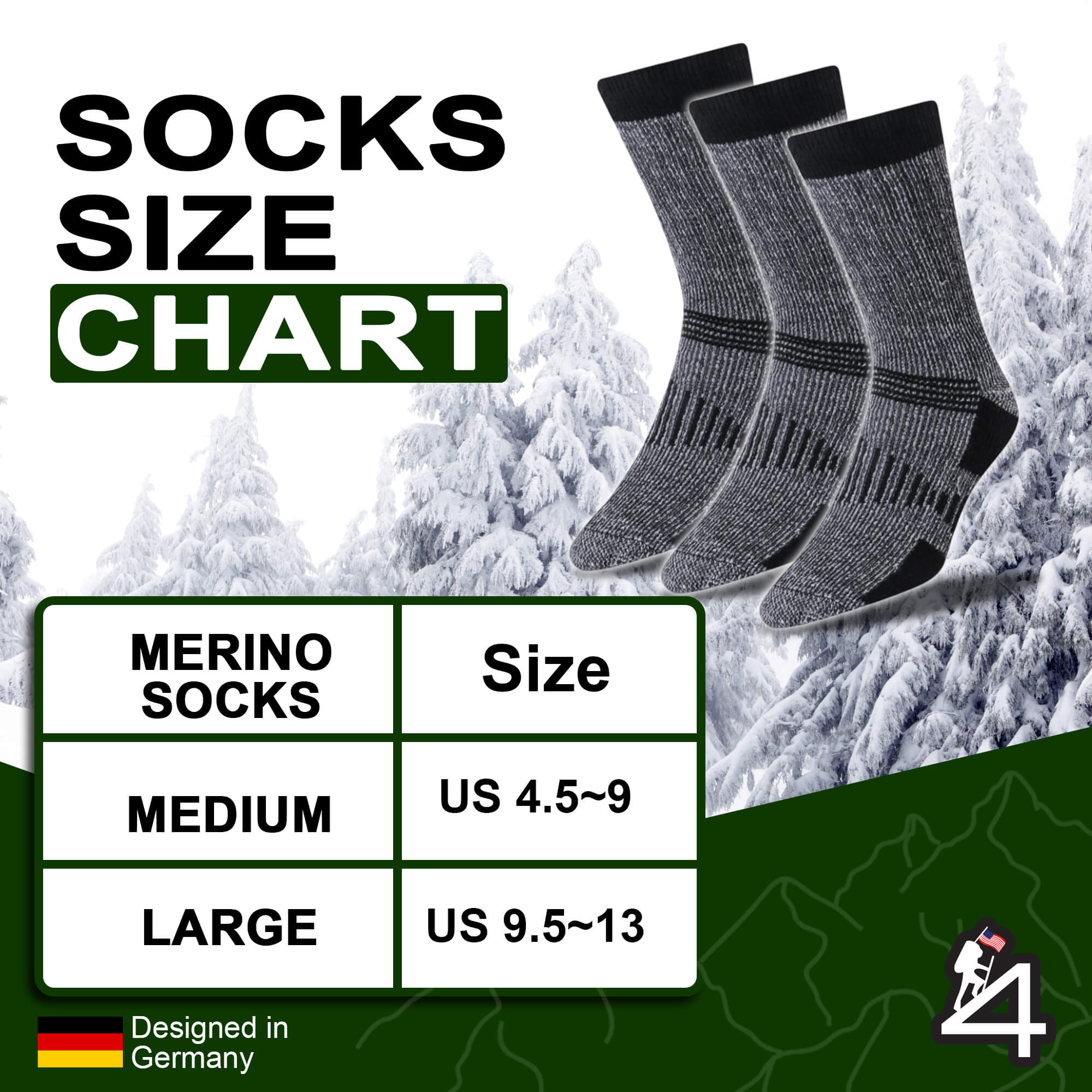
Wool-based clothing, especially socks, plays a major role in winter survival because it:
-
Insulates even when damp
-
Regulates temperature
-
Reduces heat loss during long periods indoors or outdoors
Dry, warm feet mean better mobility and endurance if you need to move.
This is basic survival — not fashion. One example of this balanced approach are the 👉 All-Season Merino Wool Socks.
Think in Hours, Not Days
During snowstorms, time perception changes.
Prepared people think short-term:
-
What do I need for the next 6–12 hours?
-
How do I stay warm without burning energy?
-
How do I preserve communication?
This mindset prevents panic and bad decisions.
Calm planning always beats rushed action.
Community Without Dependency
Self-reliance doesn’t mean isolation.
Check on neighbors if conditions allow. Share information. Coordinate quietly.
But don’t assume help will come fast, or at all.
The goal is cooperation without dependency.
Snowstorms Reward the Prepared
Every winter storm tells the same story.
People who prepared early stay calm. People who didn’t feel rushed.
Preparedness isn’t about expecting disaster. It’s about protecting freedom when systems fail temporarily.
Snow will melt. Power will return.
What remains is the lesson.
Those who take preparedness seriously don’t panic when winter hits hard. They adapt.
Your - Survival4Future Team