The idea of “survival” has changed dramatically over the last few years. It’s no longer just about extreme scenarios or living deep in the woods. In 2026, survival is practical, realistic, and deeply connected to everyday life.
Prepared people don’t panic. They adapt early.
Based on market behavior, consumer demand, community discussions, and real-world events, these are the most important survival trends for 2026 — and why they matter more than ever.
1. Energy Independence Is No Longer Optional
One of the strongest survival trends for 2026 is the move toward personal energy security.
Blackouts, unstable power grids, rising energy prices, and extreme weather events have made people realize one thing: relying entirely on centralized power is a risk.
Instead of large, complex systems, people are choosing portable, scalable energy solutions:
-
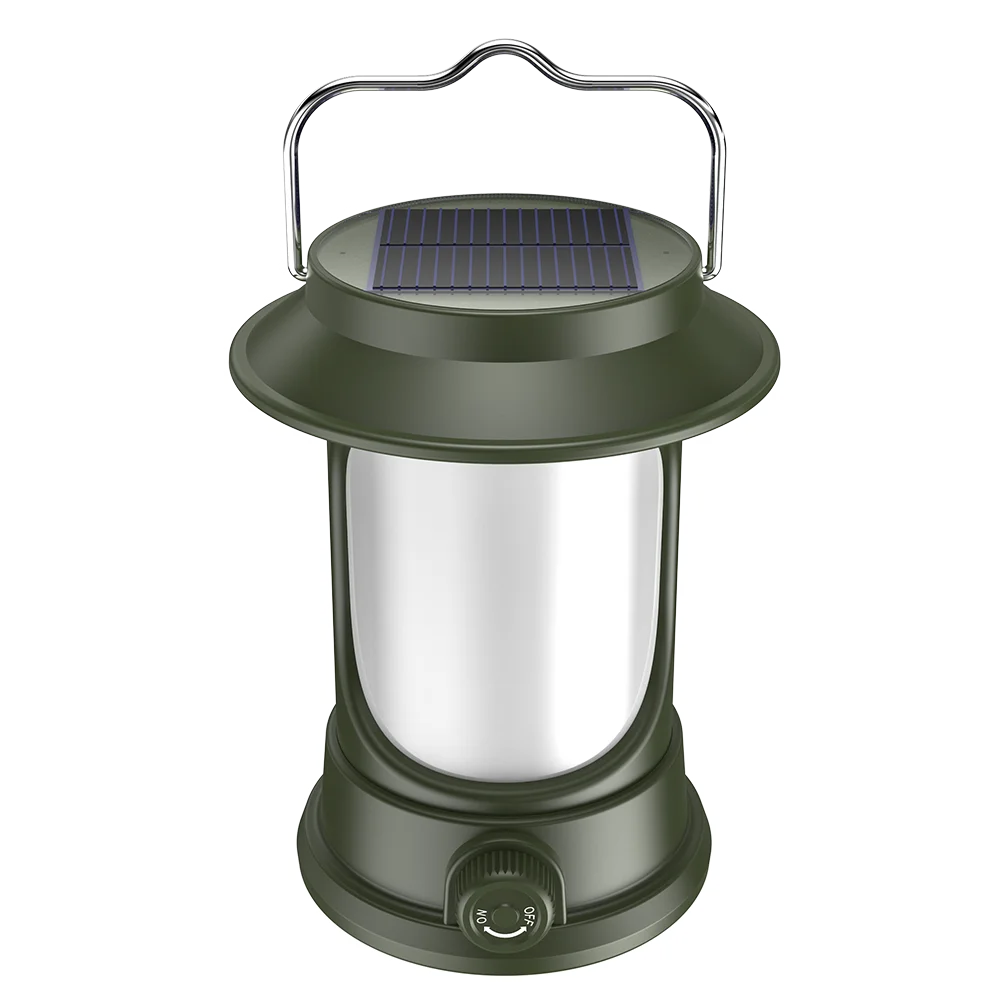
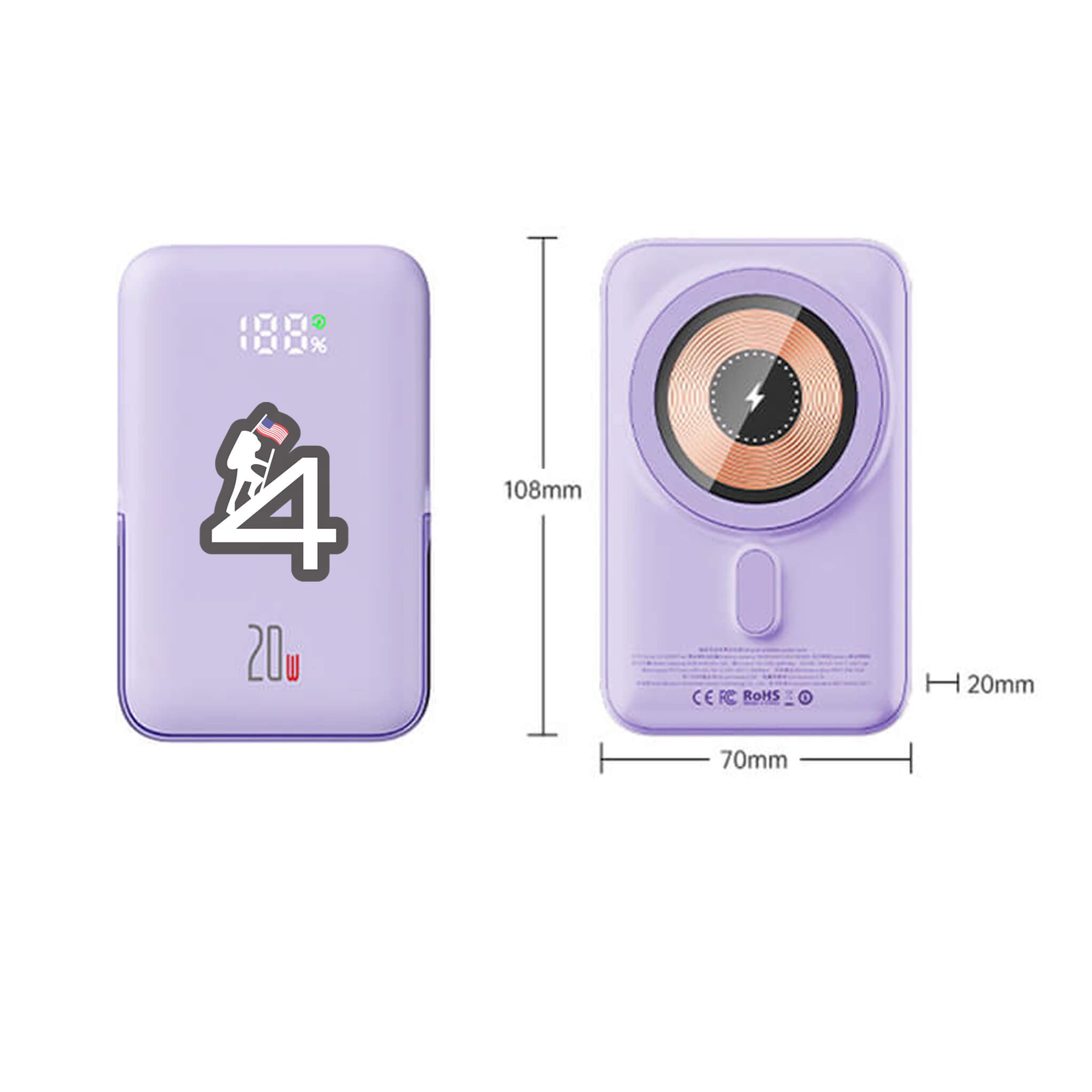
Solar-powered power banks
-
Compact backup batteries
-
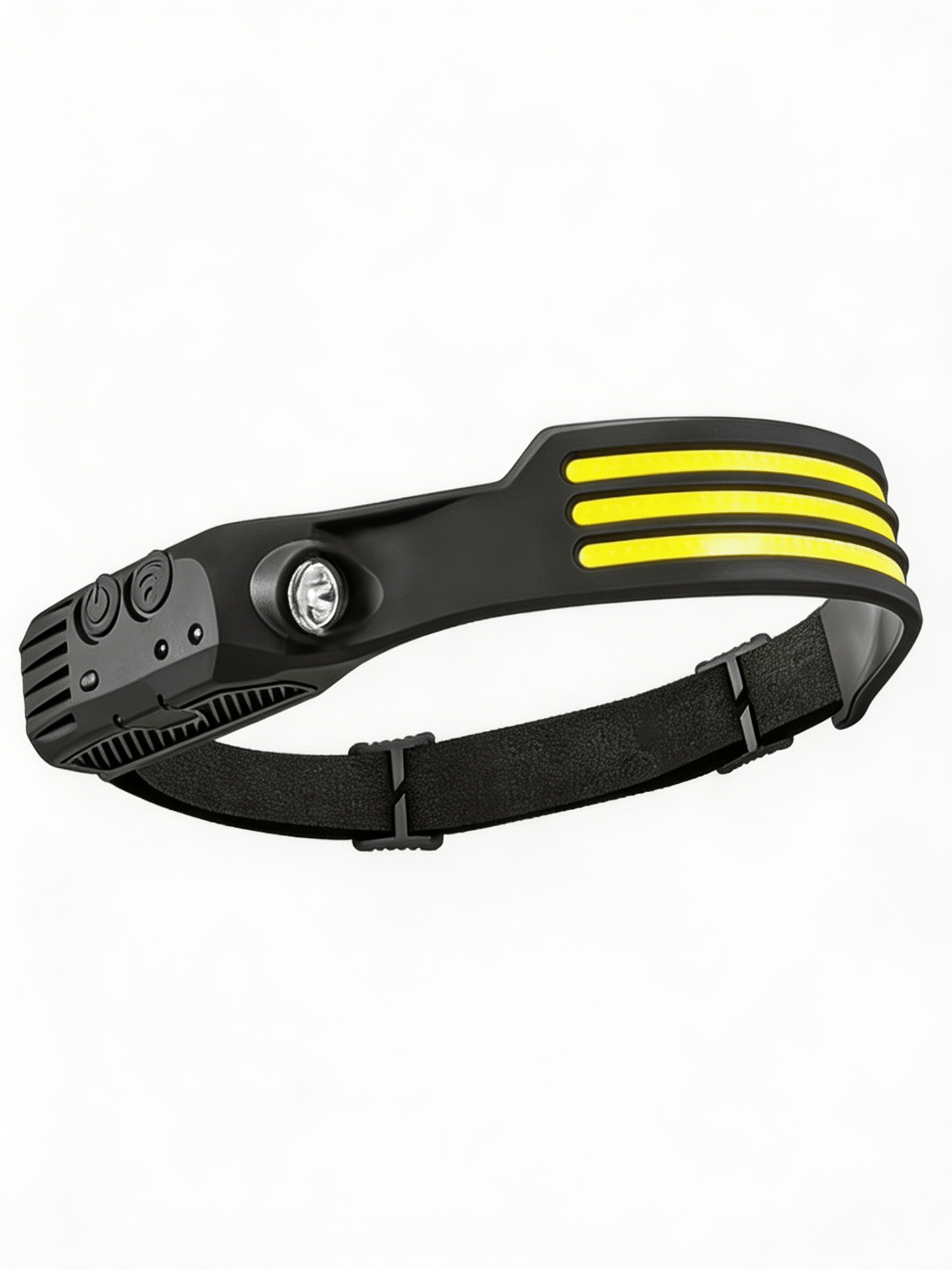
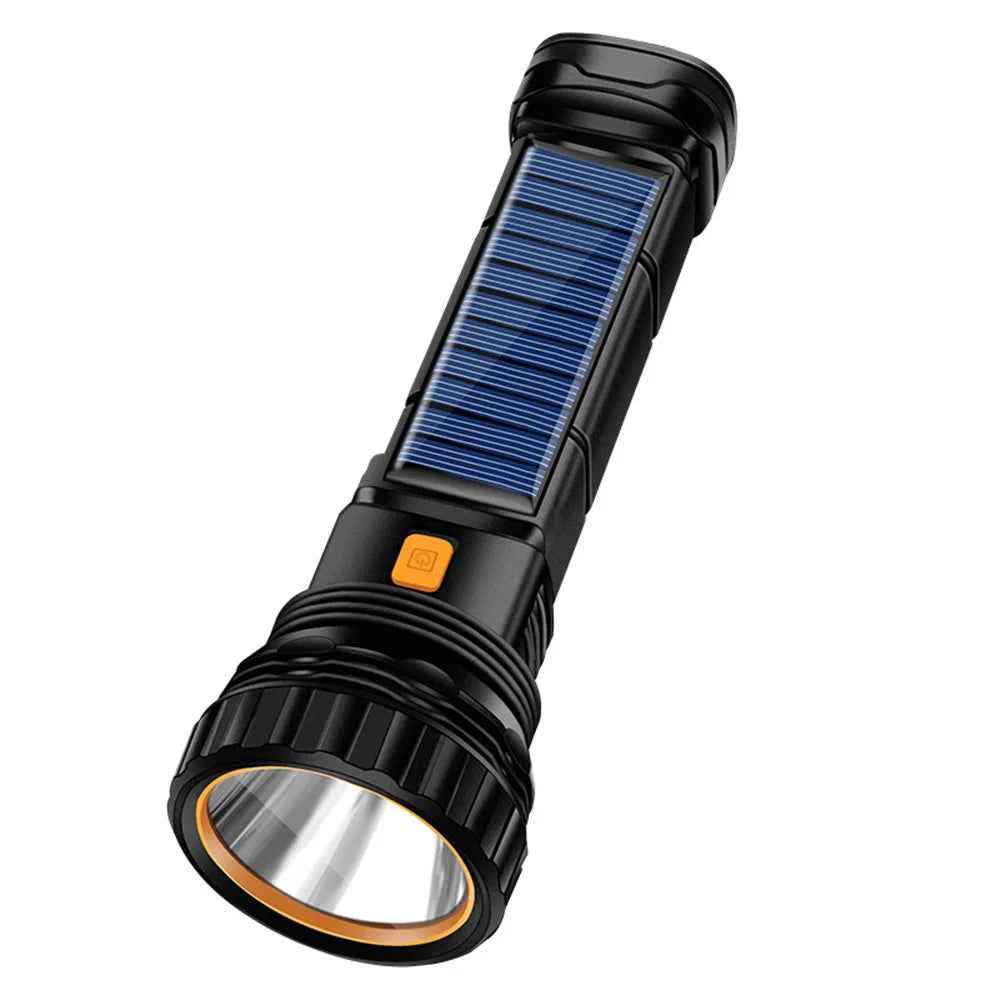
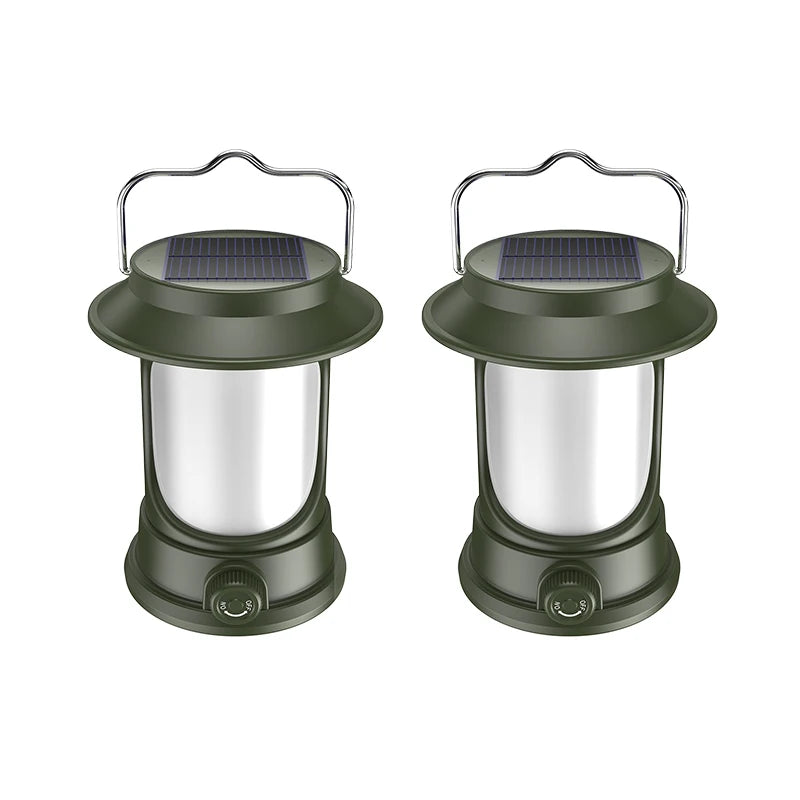
Low-energy emergency lighting
-
Devices that work without fuel or grid access
The focus isn’t on going fully off-grid — it’s about having control when the grid fails.
Prepared households want energy that is:
-
Silent
-
Renewable
-
Easy to store
-
Ready at any moment
In 2026, power equals freedom.
2. Everyday Preparedness Beats Extreme Survivalism
The survival mindset has matured.
Instead of stockpiling massive amounts of gear for unlikely scenarios, people are focusing on everyday resilience.
That means being prepared for:
-
Power outages
-
Water interruptions
-
Supply chain delays
-
Weather-related emergencies
-
Short-term isolation
This shift has made survival gear more compact, lightweight, and practical.
Multi-use tools, portable equipment, and items that fit into normal life are winning over bulky “doomsday” setups.
In short:
Survival in 2026 is about blending preparedness into daily life — without looking or feeling extreme.
3. Self-Reliance Over Blind Trust
Another major survival trend for 2026 is a growing desire for self-reliance.
People are questioning systems they once took for granted:
-
Supply chains
-
Infrastructure reliability
-
Emergency response times
-
Institutional preparedness
This doesn’t come from fear — it comes from experience.
When help is delayed, limited, or unavailable, the ability to handle situations independently becomes priceless.
As a result, people are learning skills again:
-
Basic first aid
-
Emergency planning
-
Power management
-
Water safety
-
Situational awareness
Survival isn’t about isolating yourself. It’s about not being helpless.
4. Silent, Low-Profile Gear Is Taking Over
Loud generators, heavy equipment, and attention-grabbing setups are losing popularity.
In 2026, survival gear follows three rules:
-
Quiet
-
Compact
-
Discreet
People want solutions that don’t attract attention, don’t disturb others, and don’t rely on fuel.
This is one reason why solar-powered and rechargeable equipment continues to grow in demand. It works silently, requires no ongoing resources, and doesn’t announce itself.
Prepared individuals understand that staying low-profile is part of staying safe.
5. Preparedness Is Becoming Mainstream
Survival used to be a niche.
In 2026, it’s normal.
Families, professionals, travelers, and even city dwellers are openly talking about preparedness.
Why?
Because emergencies are no longer rare — they’re unpredictable.
From heatwaves and storms to infrastructure failures and geopolitical uncertainty, people don’t need convincing anymore. They’ve seen enough.
Preparedness is no longer about fear. It’s about responsibility.
6. Gear That Actually Gets Used Wins
A powerful trend shaping survival in 2026 is this simple question:
“Will I actually use this?”
Products that sit untouched in storage are being replaced by gear that:
-
Is used regularly
-
Fits into everyday routines
-
Has a clear, simple purpose
If survival gear feels complicated, heavy, or inconvenient, it gets ignored.
The best tools are the ones that:
-
Charge your phone
-
Provide light
-
Work anywhere
-
Require minimal maintenance
Practicality beats theory every time.
7. Preparedness as Peace of Mind
Perhaps the most overlooked survival trend for 2026 is psychological.
Prepared people are calmer.
Knowing you have:
-
Backup power
-
Light
-
Basic supplies
-
A plan
…reduces stress dramatically.
Survival is no longer about expecting the worst. It’s about removing unnecessary worry.
Peace of mind is the real goal.
Final Thoughts: Survival in 2026 Is Smart, Calm, and Practical
The future of survival isn’t extreme.
It’s thoughtful.
It’s about small decisions made early — not panic decisions made too late.
Those who prepare in 2026 aren’t trying to escape society. They’re making sure they can function when systems fail temporarily.
Preparedness today is about reliability, simplicity, and peace of mind.
A Simple Next Step
You don’t need a bunker or complex systems to be prepared.
Start with the basics:
-
Reliable backup power
-
Practical lighting
-
Gear that works anywhere, anytime
That’s exactly why we focus on quiet, renewable, everyday-ready solutions at Survival4Future — tools designed to be useful long before you ever need them.
Being prepared isn’t about fear. It’s about confidence.
Survival4Future