Solo camping is more than just spending a night outdoors alone.
It’s about independence, awareness, and learning to rely on yourself in nature — without distractions, without backup, without excuses.
For many outdoor enthusiasts, solo camping is the purest form of adventure.
Why Solo Camping Is Becoming More Popular
In a world of constant notifications, schedules, and noise, solo camping offers something rare: silence and control.
People choose solo camping to:
-
reconnect with nature
-
test their skills and limits
-
escape digital overload
-
build confidence and resilience
When you camp alone, every decision matters — and that’s exactly the appeal.
The Most Important Rule of Solo Camping: Preparation
When you camp alone, you are your own backup plan.
There’s no one to borrow equipment from, no quick fixes if something fails.
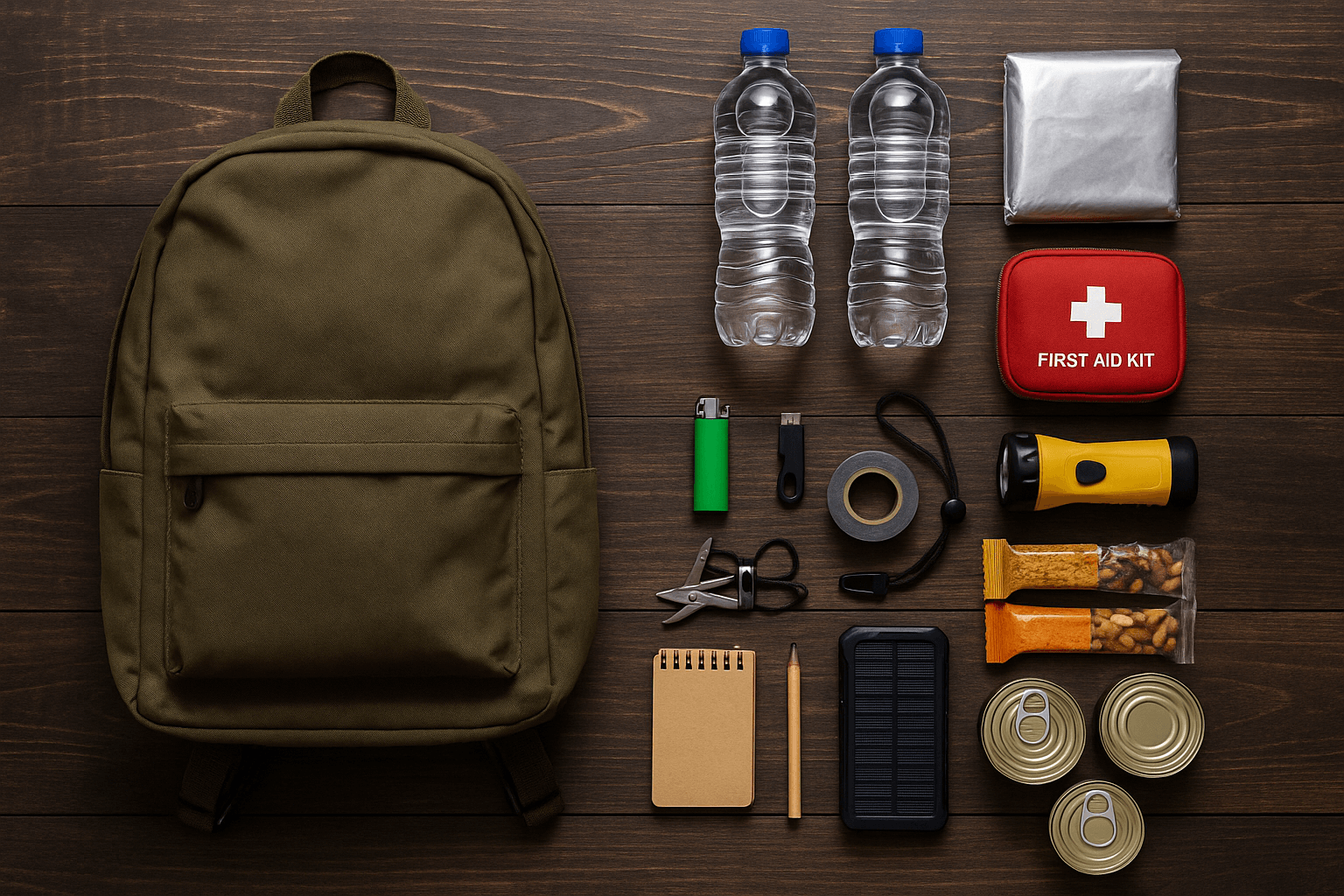
Preparation doesn’t mean overpacking — it means choosing gear that works reliably when you need it.
Essential Gear for Solo Camping
1. Reliable Power – Even Off-Grid
Even when disconnecting from daily life, power still plays an important role during solo trips:
-
navigation
-
emergency communication
-
light after sunset
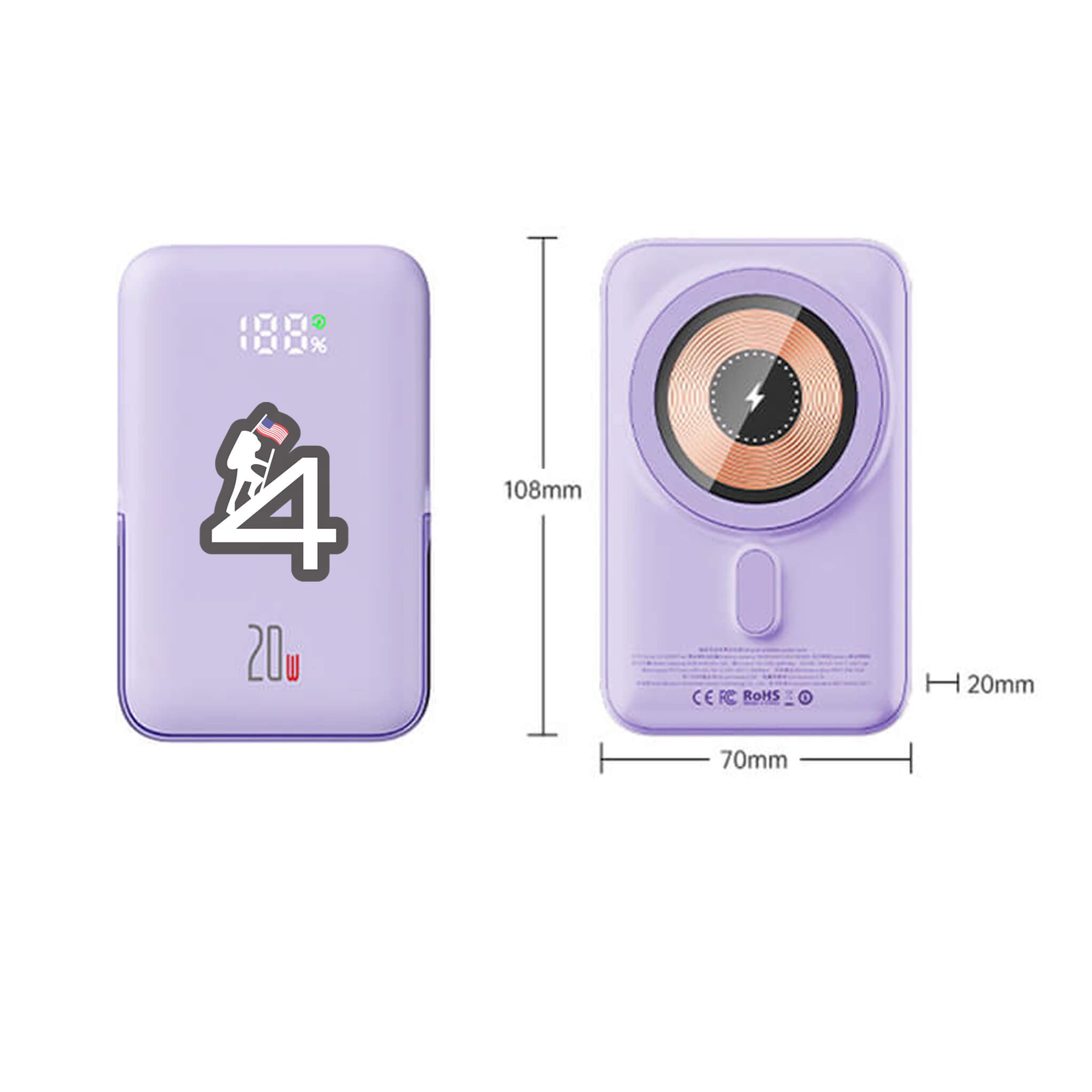
Many solo campers rely on a solar-powered power bank to stay independent without carrying spare batteries or searching for campsites with electricity. A compact, waterproof solar power bank can quietly recharge devices during the day — without changing the outdoor experience. 👉 https://survival4future.com/products/v2-solar-powerbank-50-000-mah
2. Light You Can Trust
Darkness feels different when you’re alone in the wild.
Reliable light isn’t just about visibility — it’s about orientation and calm.
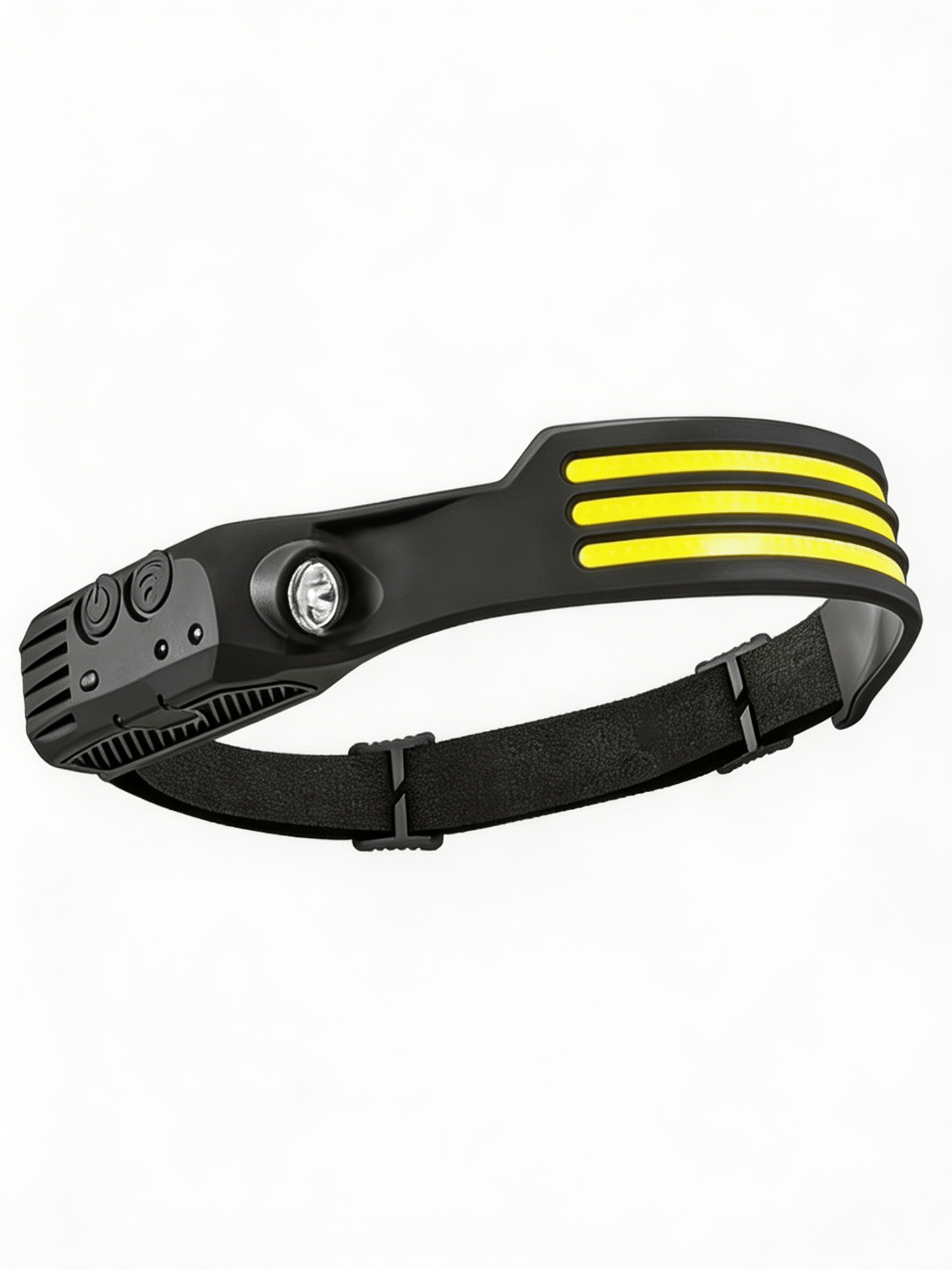
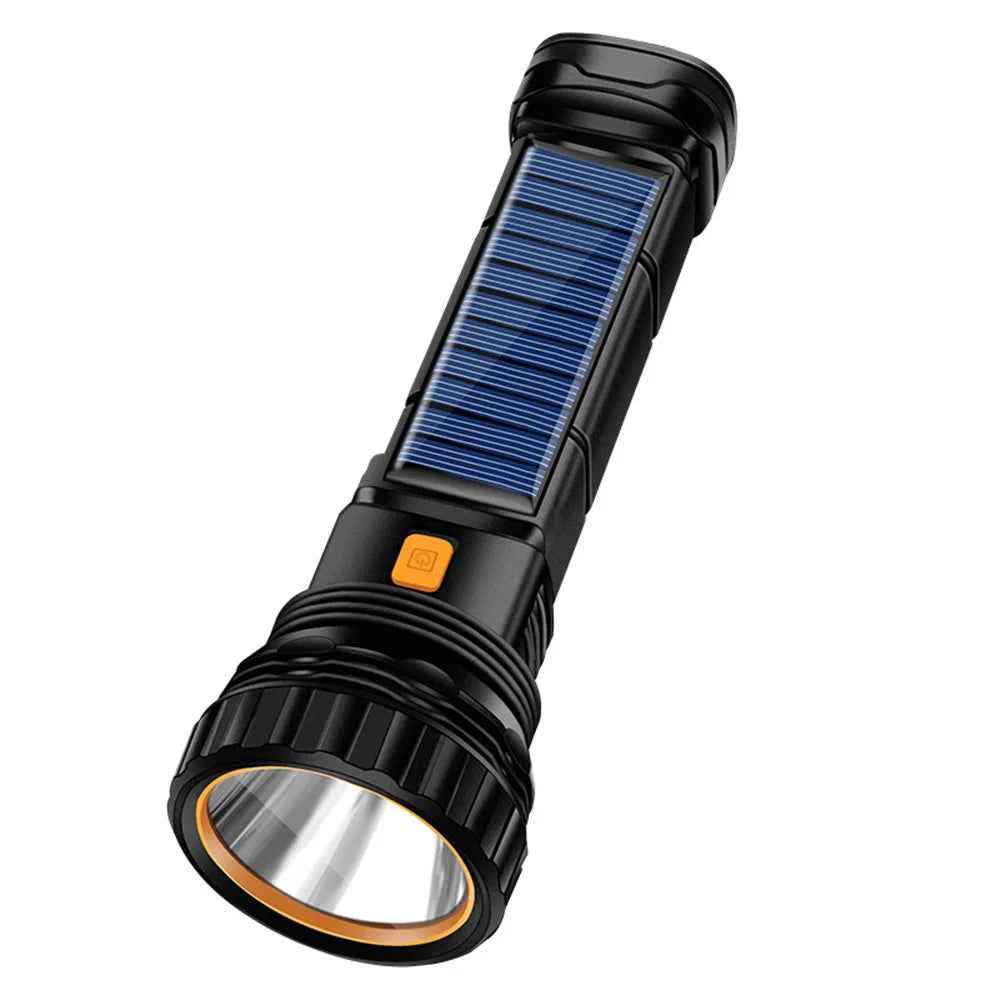
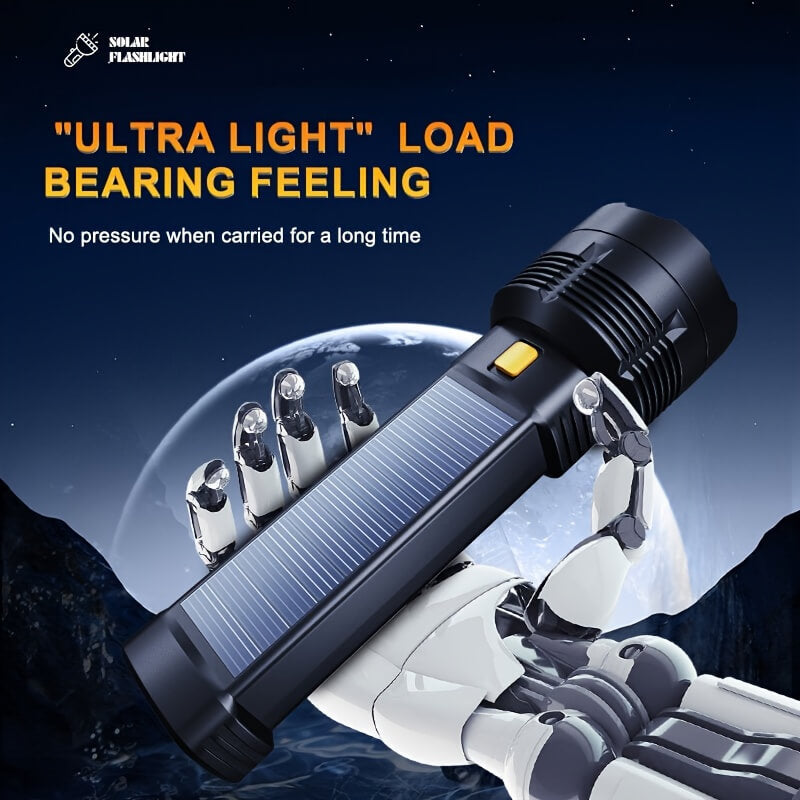
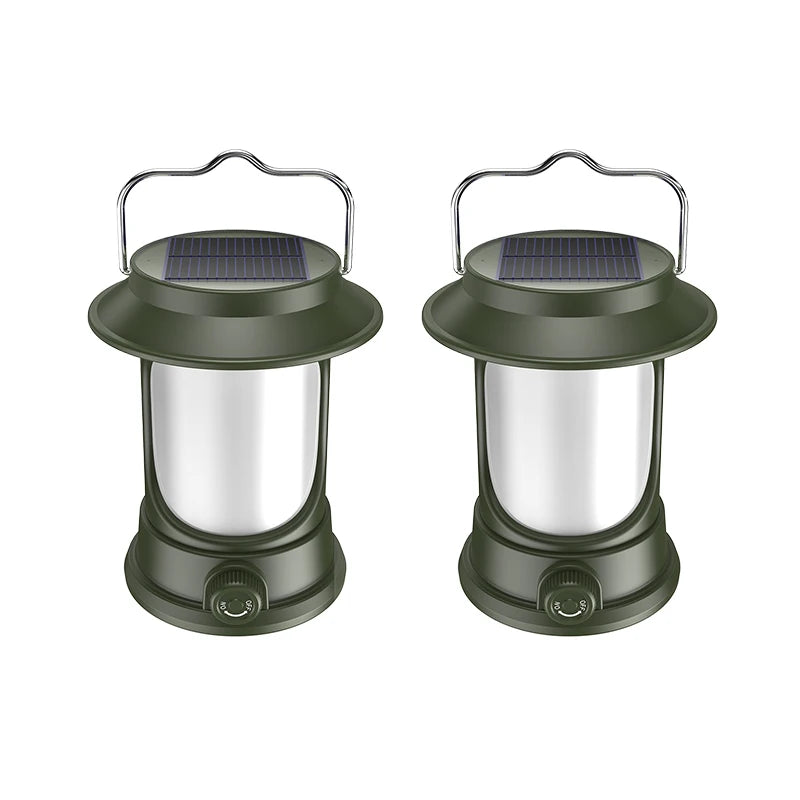
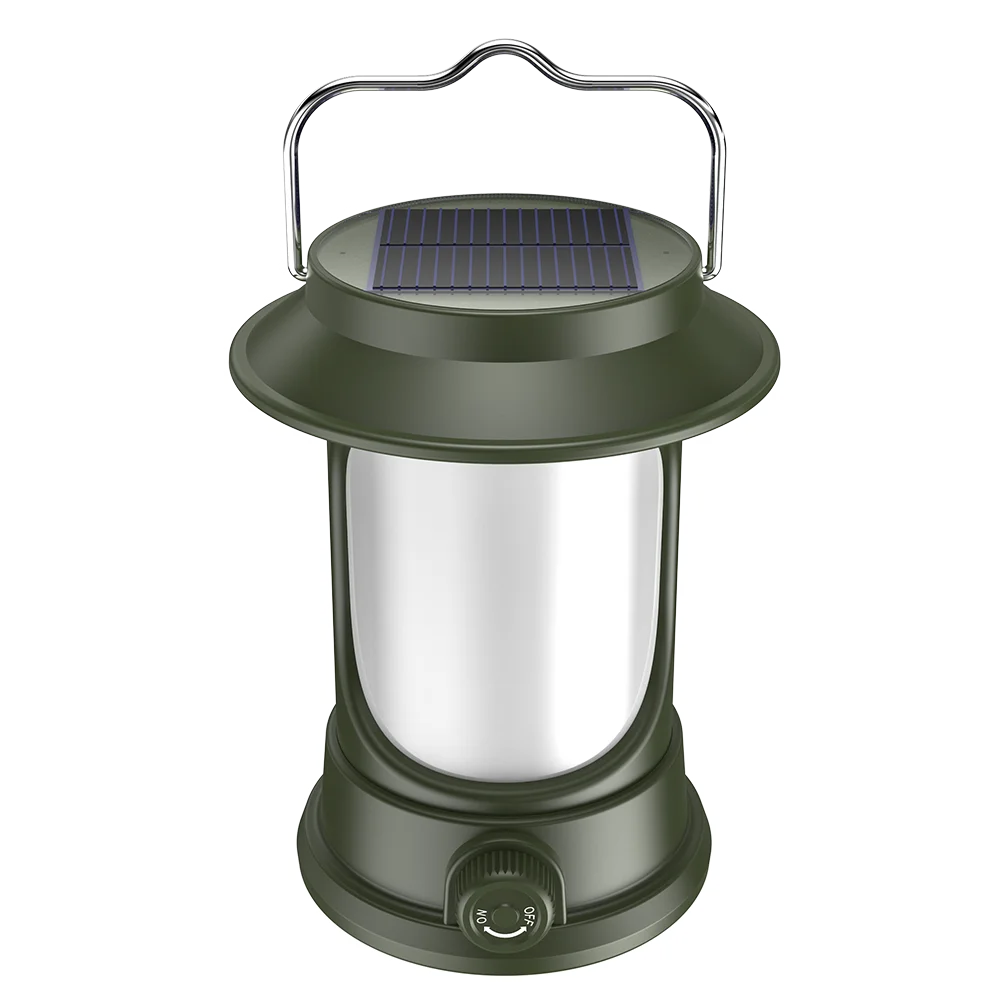
A rechargeable LED lantern or flashlight, especially one that can be charged via solar power, allows you to move safely around camp and reduces reliance on disposable batteries👉 https://survival4future.com/products/solar-portable-handheld-vintage-camping-lantern-usb-rechargeable-outdoors-tent-light-led-warm-light-night-hiking-fishing-lamp
3. Shelter and Weather Awareness
Solo campers must choose campsites carefully:
-
protection from wind
-
distance from rising water
-
stable ground
Your shelter should be easy to set up — even when you’re tired or conditions change. Simplicity matters when you’re on your own.
4. Food, Water and Simplicity
Solo camping isn’t about luxury.
It’s about efficiency:
-
lightweight meals
-
enough water or filtration
-
minimal but sufficient supplies
Less gear often means fewer problems — and more freedom of movement.
5. Mindset: Calm Beats Courage
Solo camping isn’t about being fearless.
It’s about staying calm, thinking clearly, and respecting nature.
Confidence comes from knowing:
“I’m prepared.”
Solo Camping Builds Skills That Matter
Many skills learned during solo camping translate directly into real-life resilience:
-
problem-solving
-
self-discipline
-
situational awareness
-
decision-making under pressure
These are the same principles behind emergency preparedness and survival thinking.
Final Thoughts: Alone, But Not Unprepared
Solo camping doesn’t mean being reckless.
It means choosing independence — responsibly.
With the right mindset and reliable essentials, solo camping becomes:
-
safer
-
more rewarding
-
deeply grounding
Prepare today. Survive tomorrow.Survival4Future