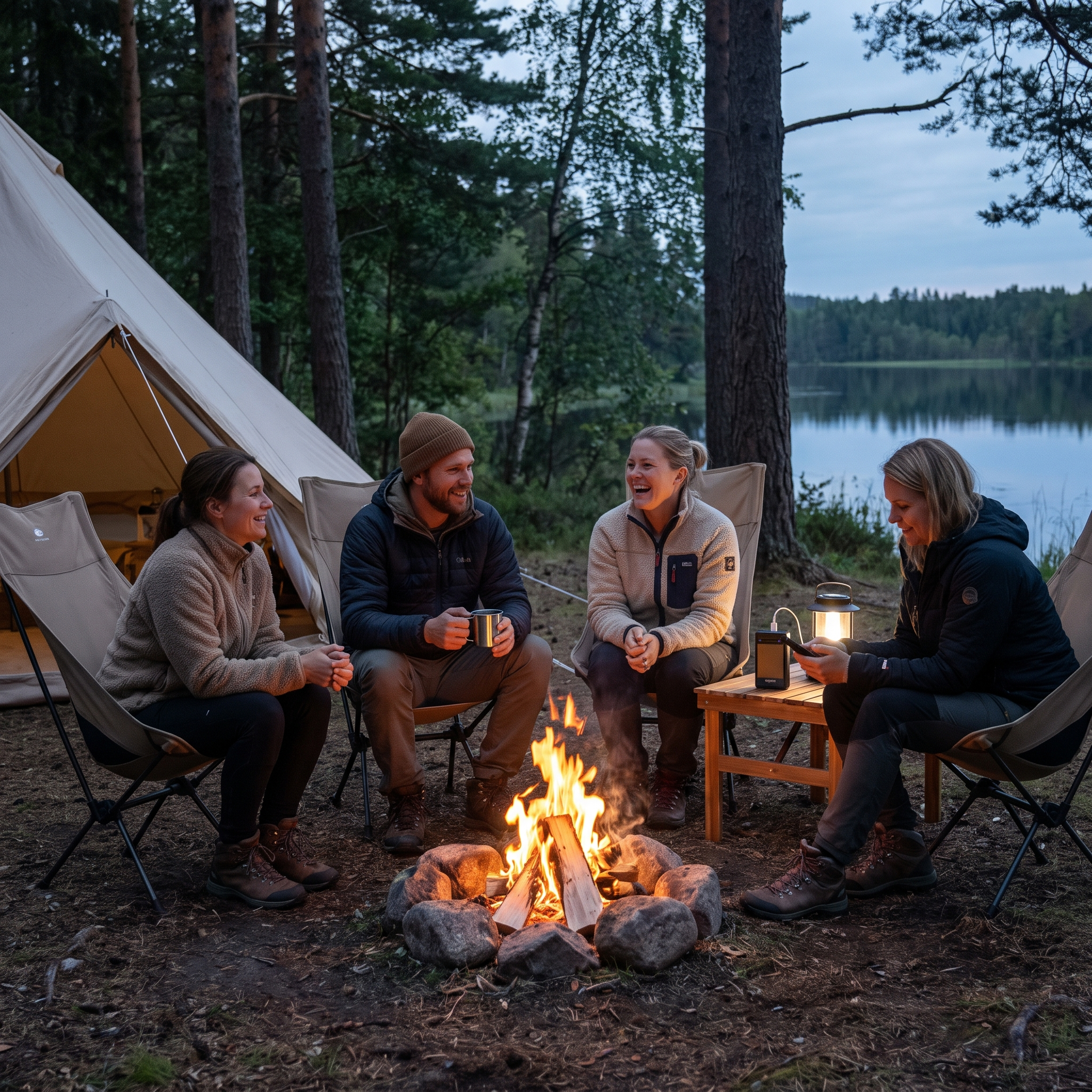
The urge to completely disappear into the backcountry is hitting a fever pitch. Everywhere you look, people are talking about JOLO: the Joy of Logging Off.
Hikers, campers, and modern homesteaders are intentionally shutting down their smartphones, locking them in truck glove boxes, or leaving them on the kitchen counter before hitting the trailhead. They want to escape the psychological weight of a hyperconnected society:
-
The constant buzz of non stop notifications.
-
The relentless news cycles that never pause.
-
The digital noise of a world that refuses to unplug.
They want raw, unadulterated nature.
The Reality Check: Nature Has Zero Empathy
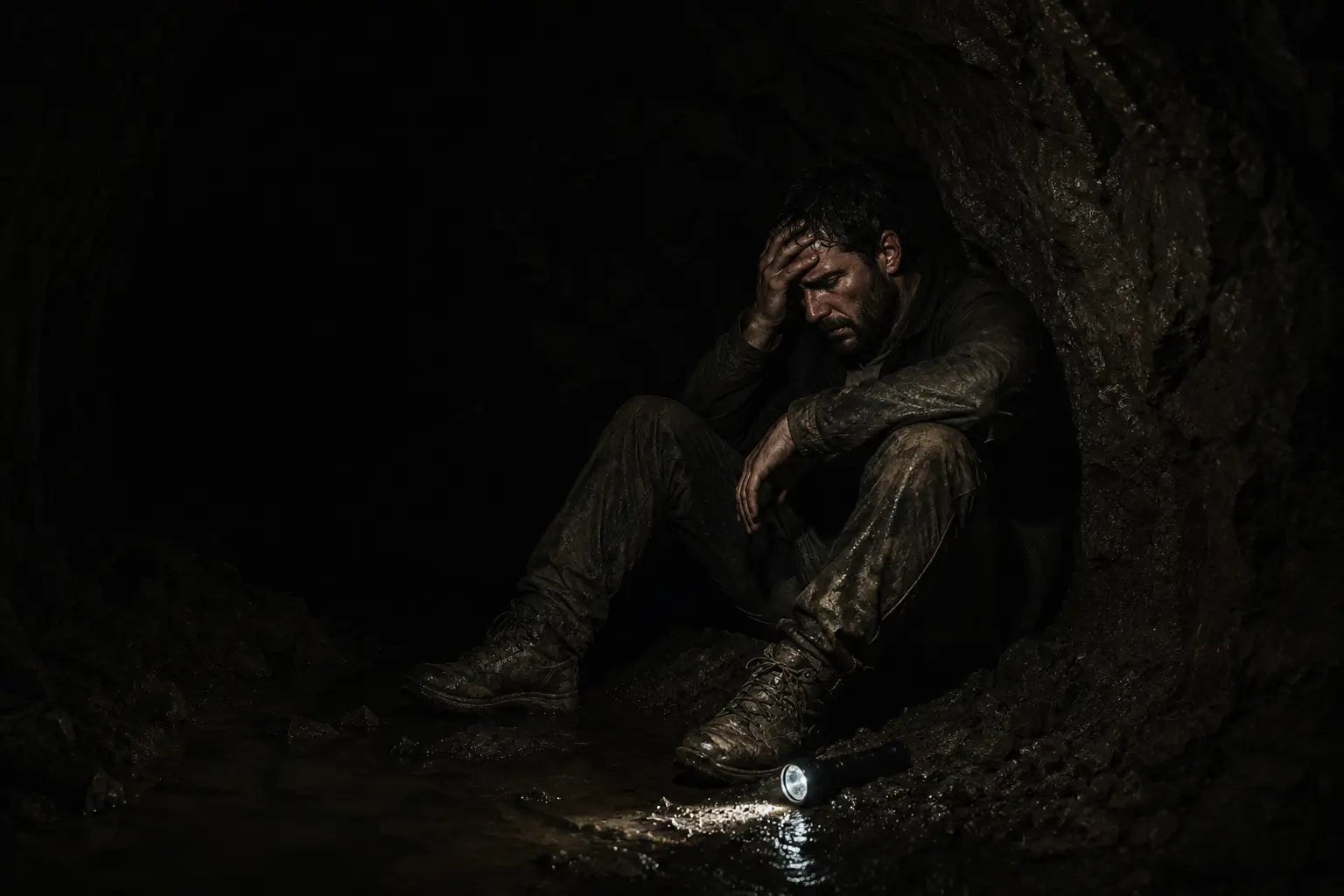
⚠️ The Brutal Truth: There is a razor thin line between a peaceful digital detox and a body bag.
When you drop off the grid completely, you lose far more than just your social media feeds. You sever your primary umbilical cord to the civilized world. If things go sideways in the backcountry, an absent smartphone instantly leaves you totally isolated against acute environmental hazards:
-
Flash Floods: A sudden summer deluge can rip through your canyon with zero warning.
-
Wildfires: A fast moving fire can shift direction with the wind, cutting off your escape route entirely.
-
Severe Trauma: A snapped tibia five miles from the nearest forest service road turns into a life threatening ordeal without a signaling device.
The wilderness does not care about your mental health break. The elements will not pause their harsh realities just because you wanted to find yourself.
True Self Reliance Is Calculated, Not Reckless
You can absolutely experience the massive mental benefits of disconnecting from the matrix. But if you choose to throw away your digital crutches, you must replace them with rugged, standalone, analog emergency systems.
If you are heading into the woods unprepared, you are not a survivalist. You are a liability.
Here is the no nonsense breakdown of how to safely practice a digital detox without compromising your survival.
The Smartphone Trap: Your Screen Is Not a Survival Tool
Let us bust a dangerous myth right now. Your iPhone or Android device is a fragile consumer toy, not a piece of tactical survival gear.
Too many modern hikers head into deep wilderness relying entirely on their phones for navigation, lighting, and emergency communication. They download a trail map app, pack a cheap gas station power bank, and think they are ready for anything. That is a fatal mistake.
Smartphones fail in the backcountry for three main reasons:
-
Battery Drain: Cold mountain nights, high humidity, and constant searching for a weak cellular signal kill lithium ion batteries at an alarming rate.
-
Environmental Fragility: A single dropped phone on a granite rock or a quick plunge into a creek instantly bricks your device.
-
Zero Signal: Heavy canopy cover, deep valleys, and remote coordinates render cellular antennas completely useless.
If your survival strategy relies on a glass screen that requires a cellular tower, your plan is already broken. When you practice a digital detox, you are not just escaping distraction. You are actively choosing to eliminate a flawed piece of technology. The secret is replacing it with single purpose tools that actually earn their weight in your pack.
Satellite Messengers: Keep the Lifecycle, Lose the Distraction
Choosing to log off does not mean you must choose to die in silence. The biggest operational mistake of the JOLO movement is assuming that going off grid requires absolute, blind isolation.
A smartphone is a multi purpose distraction machine engineered to steal your attention. A dedicated satellite communicator is a single purpose survival tool built to save your life. By swapping your phone for a dedicated satellite messenger, you eliminate the temptation to mindlessly scroll through apps, but you retain a direct, unyielding line to global search and rescue teams.
Hardware like global satellite communicators operate on the Iridium satellite network, bypassing cellular infrastructure entirely. They do not need a local tower to send a message.
Here is how you integrate this tool into a hardcore off grid setup without breaking your digital fast: Keep the device powered down and clipped firmly to the shoulder strap of your pack. It will not beep. It will not distract you. It will not send you work emails. It simply sits there, black and silent, drawing zero battery power.
But if disaster strikes, if you encounter an aggressive grizzly or suffer a debilitating injury, you press the physical SOS button. You instantly gain two way emergency texting that works anywhere on earth, from the deepest swamps of Florida to the highest peaks of the Rockies. That is not digital addiction. That is tactical redundancy.
Paper Maps and Compass: The Analog Foundation of True Self Reliance
When people use digital maps, they become passive observers of a screen. They follow a blinking blue dot without actually looking at the terrain around them. If that dot disappears because the battery dies, panic sets in immediately.
If you are logging off, your navigation skills must go completely old school. Before your boots ever touch dirt, you need to secure high quality topographic trail maps of your specific quadrant alongside a reliable, liquid filled baseplate compass.
Consider the raw advantages of analog navigation gear:
-
Zero Battery Dependency: A paper map never needs a charge. It works in freezing rain, blazing heat, and electromagnetic interference.
-
Total Durability: Waterproof, localized trail maps can be folded, rained on, and abused without losing readability.
-
Enhanced Situational Awareness: Reading a physical map forces you to study contour lines, track ridge formations, and identify water drainage routes. You learn the land, you do not just follow a screen.
Knowing how to orient a map, calculate declination, and take a physical bearing is a mandatory foundation of wilderness self reliance. If you cannot navigate your way out of a state park with a compass and paper, you have no business going off grid. Period.
Emergency Radio: The Only Way to Track Sudden Environmental Hazards
In the summer, weather conditions can shift from pristine to catastrophic in less than sixty minutes. A clear morning can easily devolve into a violent afternoon thunderstorm, a flash flood, or a roaring wildfire.
Without a smartphone in your pocket to push automatic emergency alerts to your screen, you are essentially blind to regional hazards. You will not know a wildfire is moving toward your campsite until you smell the smoke.
A compact, rugged, hand crank emergency radio solves this problem instantly. These devices allow you to tune directly into NOAA weather broadcasts, providing real time safety updates and critical warnings without connecting you to the internet.
Look for a model equipped with multiple power sources: an integrated solar panel, a heavy duty hand crank, and a compartment for standard lithium backup batteries. A solid emergency radio keeps you informed about severe weather fronts, lightning strikes, and evacuation orders. It delivers the raw data you need to make tactical survival decisions without breaking your mental solitude.
Layered Power Systems: Keeping Critical Electronics Alive Off Grid
Even during a strict digital detox, you will likely carry a few essential electronics. Your satellite messenger, your headlamp, and your water purification system all require power. When you are deep in the backcountry, running out of juice is not an inconvenience—it is a critical failure.
Hardcore survivalists rely on layered power systems. You never trust a single power bank. Your energy strategy should look like this:
Primary Storage: High Capacity Power Banks
Carry at least one rugged, dustproof power bank with a rating of ten thousand milliampere hours or higher. This is your immediate reservoir for recharging your headlamp or emergency communication tools. Protect it from extreme cold and moisture by wrapping it inside your sleeping bag at night.
Regenerative Power: Portable Solar Panels
Fuel runs out, but sunlight does not. Pair your power bank with a foldable, high efficiency solar panel array. Strap the panels to the top of your backpack while you hike, allowing them to constantly trickle charge your battery bank throughout the day.
Mechanical Backup: Hand Crank Systems
When the sky turns black and a storm rolls in for three days, your solar panel is useless. That is when mechanical power saves your life. An emergency radio with an integrated hand crank allows you to manually generate enough power to run internal radios or push a basic charge into your satellite communicator.
The Ultimate JOLO Packing List: Gear That Earns Its Weight
Every single item in your rucksack must justify its physical weight by serving a critical survival purpose. If an item only serves to entertain you or connect you to the digital world, leave it behind.
Use this checklist to audit your kit before heading out for a digital detox:
| Survival Gear Item | Critical Wilderness Purpose |
| Dedicated Satellite Messenger | Global Iridium network connectivity with zero digital distractions. |
| Topographic Maps | Permanent, un brickable route awareness that requires no electricity. |
| Liquid Filled Compass | The ultimate directional tool for manual land navigation and orientation. |
| Crank Solar Emergency Radio | Access to real time NOAA alerts regarding local wildfires and storms. |
| Foldable Solar Array | Continuous, sustainable energy harvesting for critical safety electronics. |
| Rugged Power Bank | Sealed, impact resistant energy storage to keep headlamps and comms alive. |
Skill Over Gear: The Mindset of the True Outdoorsman
You can buy the most expensive tactical gear on the market, but if you do not have the skills to back it up, you are just an expensive rescue mission waiting to happen. A five hundred dollar survival kit will not help a person who panics when the fog rolls in and the trail disappears.
True freedom in the backcountry requires true preparation. Before you attempt a deep wilderness digital detox, you need to practice your analog skills in a controlled environment.
Do not wait until you are lost in a downpour to learn how to orient your compass. Do not wait until your power bank is dead to figure out how to operate your solar panels efficiently. Test your gear in the wind. Train your mind in the rain. Learn how to read the clouds, track water sources manually, and build a shelter without relying on a video tutorial.
When you drop the digital noise, your senses sharpen. You become hyper aware of your surroundings. You hear the wind shift, you notice the drop in barometric pressure, and you read the terrain like a book. That is the real reward of logging off. But you can only enjoy that mental clarity if you have the quiet confidence that comes from absolute preparedness.
Final Thoughts: Respect the Wilderness or Pay the Price
The American wilderness is beautiful, unforgiving, and completely indifferent to human survival. It does not care about your desire to disconnect, your mental clarity, or your lifestyle goals. It only cares whether you possess the tools and the knowledge to survive its elements.
Logging off and escaping the digital grid is one of the smartest things you can do for your mind. It restores your focus, tests your self reliance, and connects you to the raw reality of nature. But do not let the desire for isolation blind you to real world environmental risks.
Ditch the smartphone. Leave the social media behind. But pack the analog navigation, the dedicated satellite systems, and the backup power required to get you home safely. Respect the woods, prepare for the worst, and embrace the silence.
What Is Your Off Grid Safety Setup?
Now it is your turn. When you step off the grid to escape the digital noise, what emergency gear always earns a permanent spot in your pack? Have you ever had a piece of high tech gear fail you when you needed it most?
Drop a comment below and share your current tactical setup. Let us hear what equipment actually survives the dirt, the rain, and the real world out in the field.