For most people, darkness is just an inconvenience.
You turn on a flashlight, light a fire, or wait for sunrise.
But complete darkness is something entirely different.
No moonlight.
No glowing horizon.
No sense of direction.
No idea what surrounds you.
For the prepper and off-grid community, scenarios involving total darkness are more realistic than many people think. Cave-ins, grid failures, underground shelters, bunker situations, EMP events, or even wilderness survival accidents can instantly remove your access to light.
The real question is:
Could you survive 24 hours in complete darkness?
This guide breaks down the psychological effects, survival risks, and essential prepper strategies you need to understand before facing true darkness.
Why Complete Darkness Is More Dangerous Than Most People Think
Humans are visually dependent creatures.
The moment your vision disappears, your brain begins operating in survival mode. Inside complete darkness, even experienced outdoorsmen can lose orientation within minutes.
Unlike normal nighttime conditions, total darkness removes all visual reference points. Your sense of balance weakens, your perception of time changes, and fear can escalate rapidly.
Common Effects of Total Darkness
- Anxiety and panic
- Sensory hallucinations
- Loss of coordination
- Increased heart rate
- Difficulty judging distance
- Mental fatigue
- Sleep disruption
For preppers, this is important because survival is not just physical. It is psychological.
The person who stays calm survives longer.
Realistic Survival Scenarios Where Total Darkness Matters
Many people associate complete darkness with horror movies, but real-world situations are surprisingly common.
Cave or Tunnel Entrapment
One wrong turn inside a cave system can leave you disoriented instantly. Without backup lighting, escape becomes extremely difficult.
Grid Failure or EMP Event
A large-scale blackout following an EMP or infrastructure collapse could leave entire cities in darkness for days.
Preppers who rely entirely on electrical lighting without redundancy are vulnerable.
Underground Shelters and Bunkers
Many off-grid shelters depend heavily on battery-powered systems. If those systems fail, darkness can quickly become psychologically overwhelming.
Wilderness Survival Situations
Losing your flashlight during a bug-out scenario in dense forest terrain can completely change your survival odds.
The Psychological Battle: Your Mind Becomes the Enemy
The most underestimated danger is not the darkness itself.
It is what darkness does to the human brain.
Studies on sensory deprivation show that humans begin experiencing distorted thinking surprisingly quickly without visual stimulation.
Inside total darkness:
- Minutes feel like hours
- Small sounds become terrifying
- Imagination fills information gaps
- Fear overrides rational thinking
Even trained cave divers and military personnel can experience panic when visibility disappears completely.
For inexperienced individuals, mental breakdown becomes a serious survival risk.
How the Prepper Mindset Changes Survival Odds
Prepared individuals have one massive advantage:
They expect discomfort.
Most people panic because modern life conditions us to constant comfort and control. Preppers, however, train for uncertainty.
That mindset matters.
A survival-oriented person is more likely to:
- Conserve energy
- Control breathing
- Avoid irrational movement
- Use equipment methodically
- Maintain situational awareness
Mental discipline is often more important than physical strength.
Essential Gear for Surviving Complete Darkness
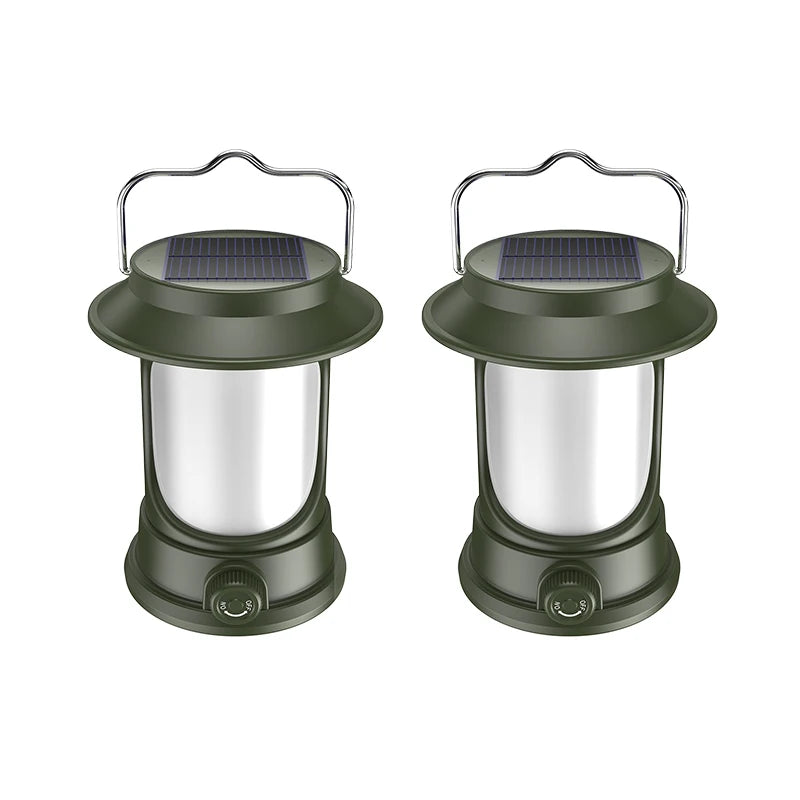
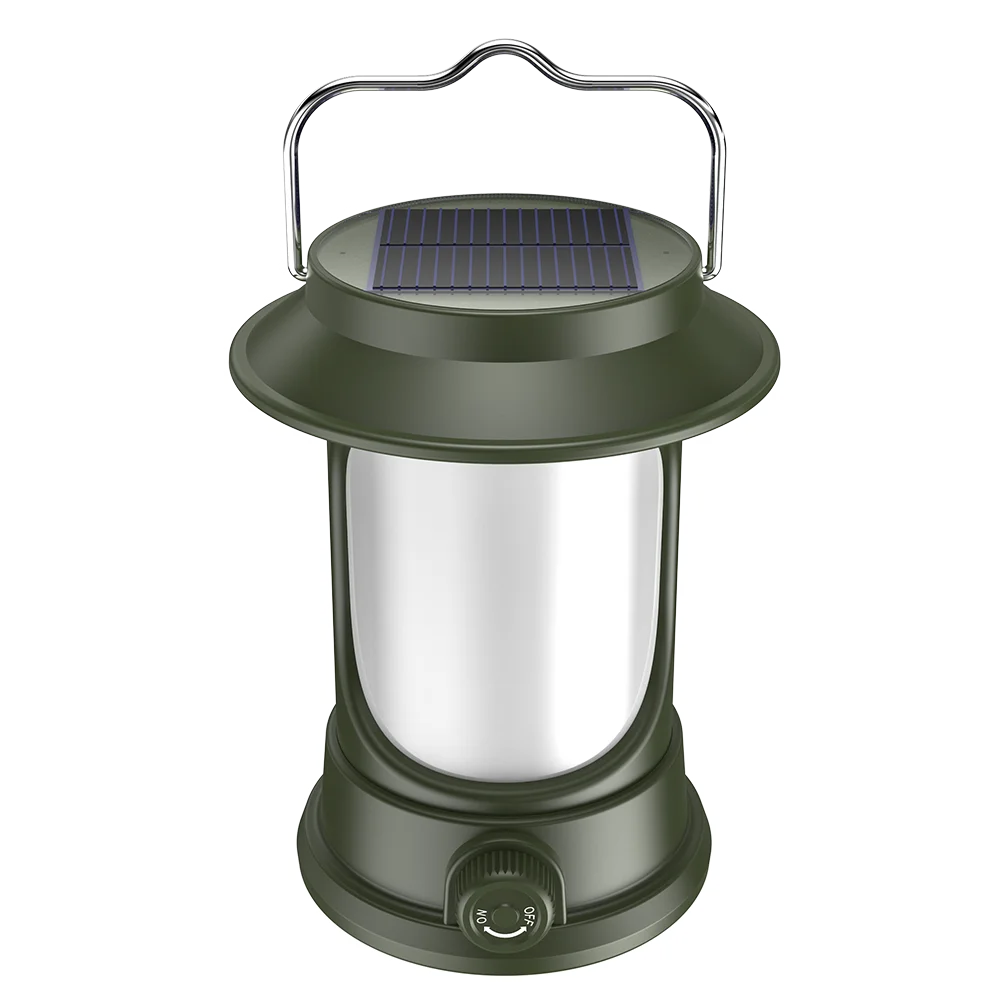
Every bug-out bag or off-grid setup should contain redundant light sources.
Recommended Darkness Survival Equipment
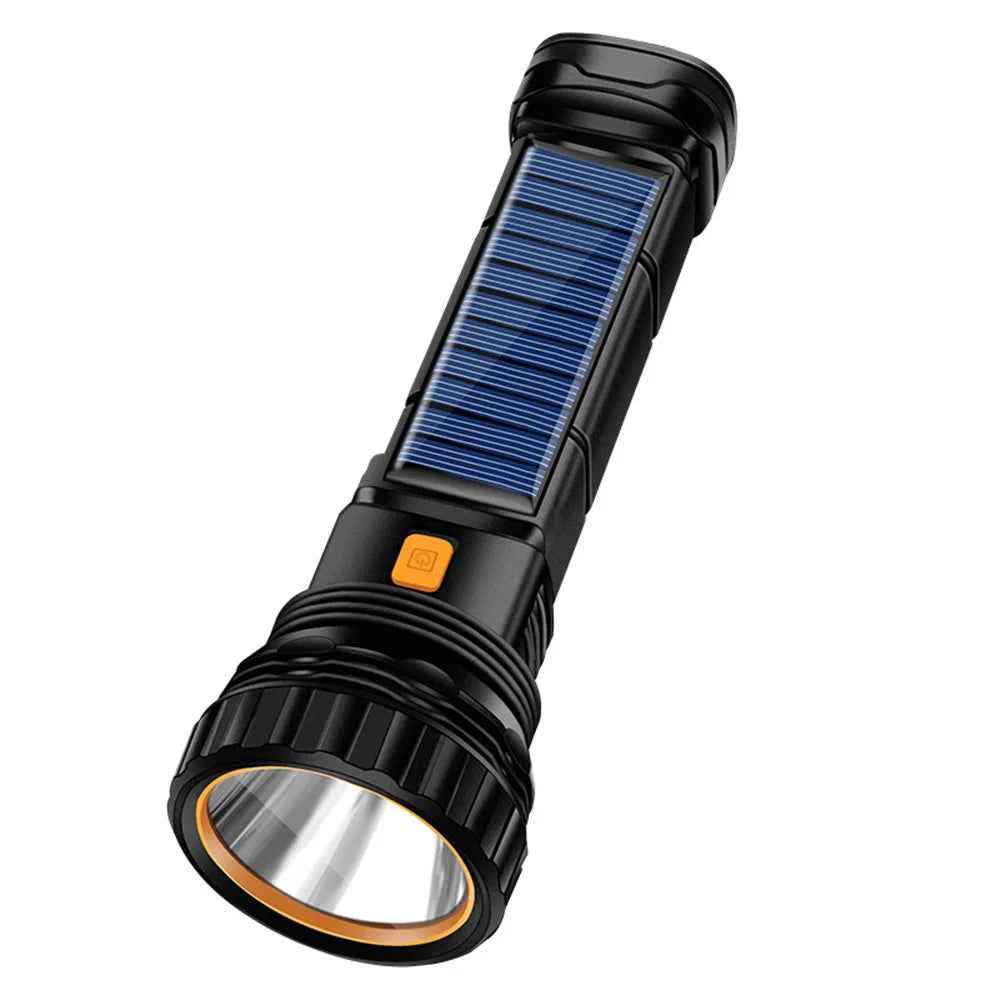
- High-lumen tactical flashlight
- Backup flashlight
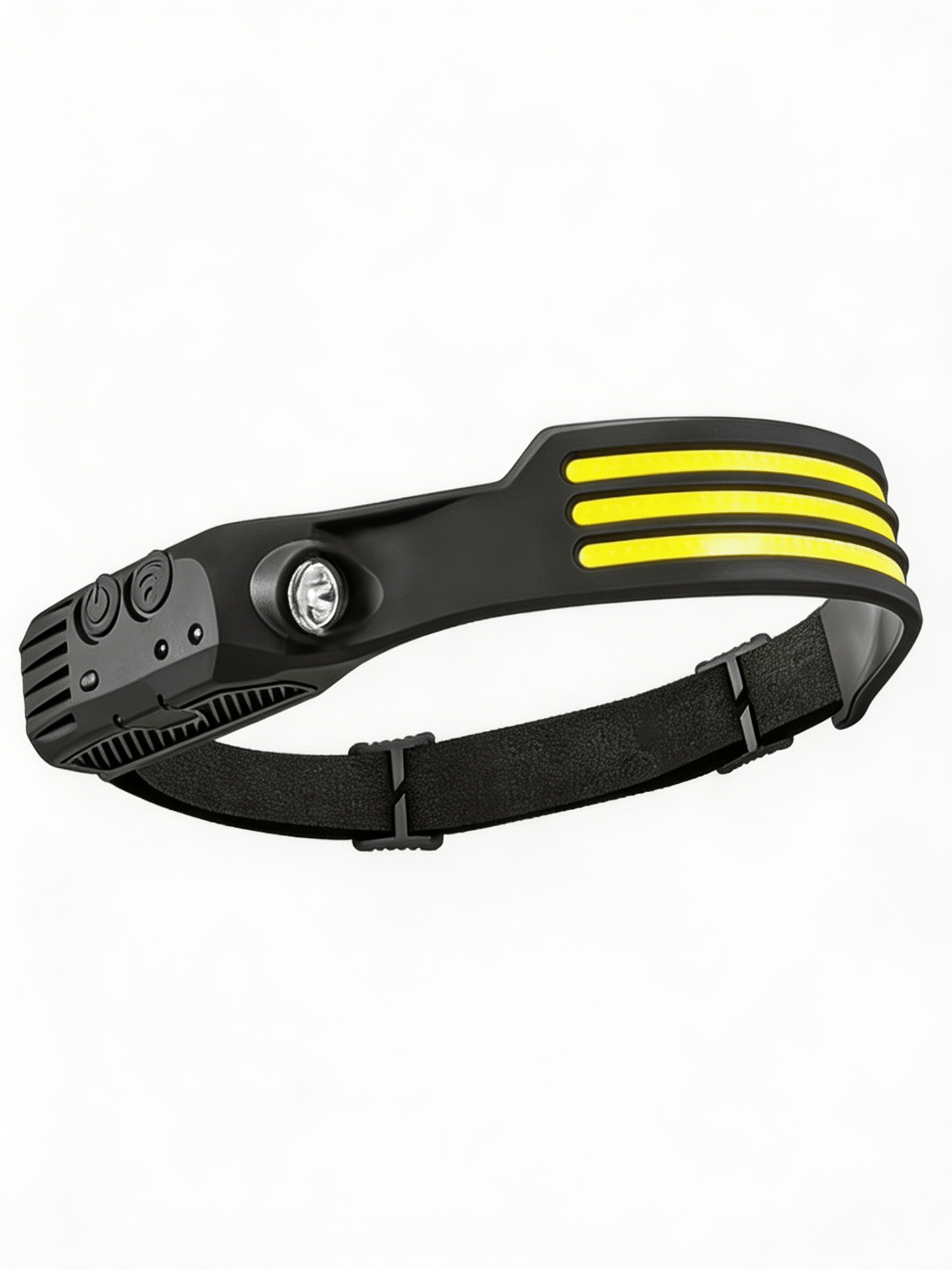
- Headlamp with red-light mode
- Glow sticks
- Ferro rod and waterproof tinder
- Extra lithium batteries
- Portable solar charger
- Emergency candles
- Chem lights
- Compact hand-crank flashlight
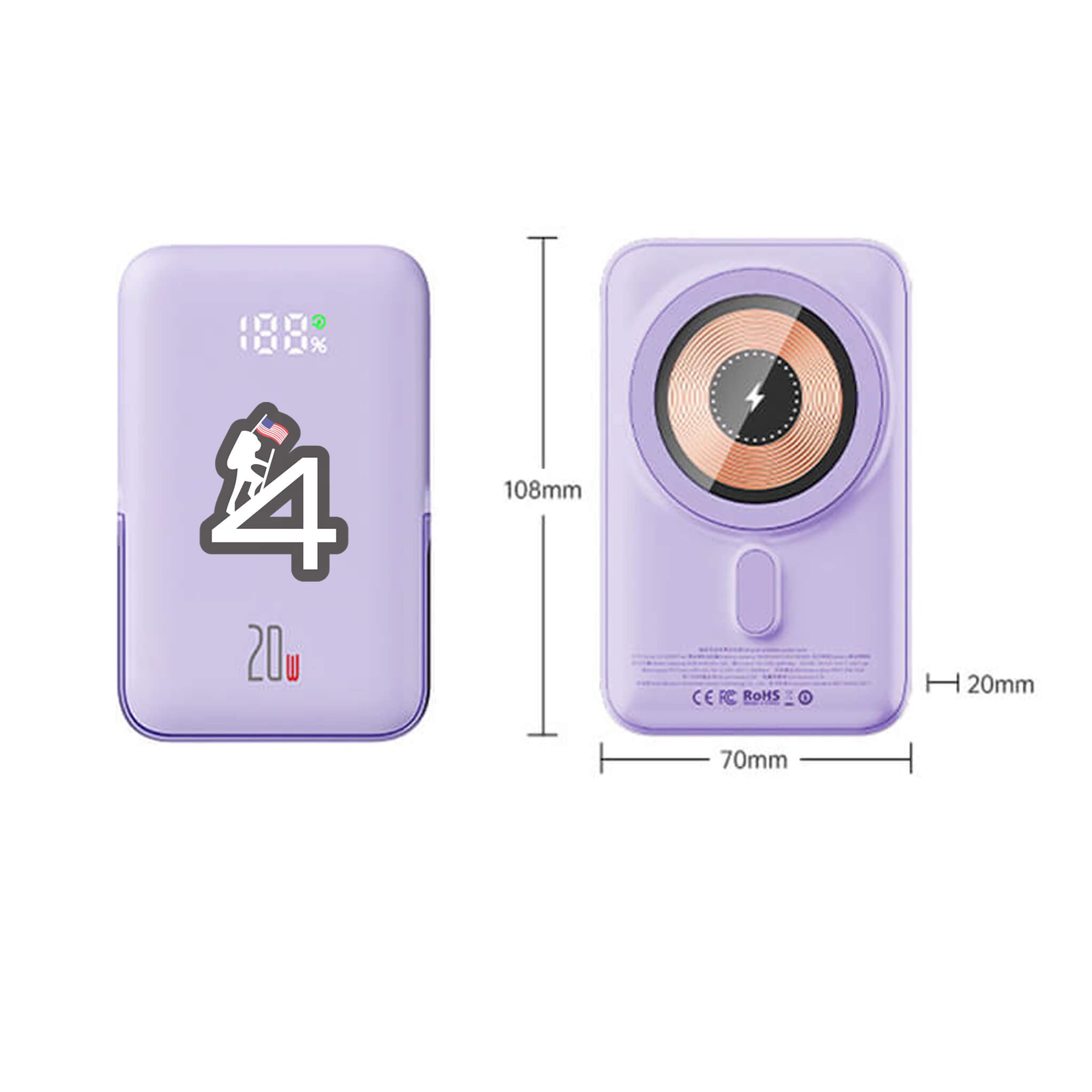
- Power bank for rechargeable gear
Redundancy is critical.
The prepper rule is simple:
One is none. Two is one.
If your only light source fails, your situation changes instantly.
How to Stay Calm in Complete Darkness
If you ever find yourself trapped in total darkness, controlling panic becomes priority number one.
1. Stop Moving Immediately
Most injuries occur when people panic and move blindly.
Stay still. Assess your surroundings calmly.
2. Control Your Breathing
Slow breathing reduces adrenaline and improves decision-making.
Use controlled inhale/exhale cycles to stabilize yourself mentally.
3. Preserve Energy
Avoid unnecessary movement, yelling, or emotional reactions.
Fatigue accelerates panic.
4. Create Structure
Even simple routines help maintain mental stability.
Count time intervals. Organize gear. Focus on small tasks.
5. Use Sound Carefully
Echoes can distort distance perception underground or indoors.
Move slowly and deliberately.
Off-Grid Lessons From Complete Darkness
True darkness exposes a hard reality:
Modern humans are deeply dependent on artificial light.
Most people cannot navigate, think clearly, or remain calm once visibility disappears entirely.
That is why darkness preparedness matters for:
- Preppers
- Homesteaders
- Campers
- Off-grid families
- Survivalists
- Cave explorers
- Wilderness hikers
Preparedness is not paranoia.
It is understanding how quickly comfort can disappear.
Final Verdict: Could You Survive 24 Hours in Complete Darkness?
Physically, most healthy people probably could.
Mentally is where things become difficult.
The real threat is not monsters, predators, or supernatural fear.
It is isolation, sensory deprivation, and panic.
Survival in darkness comes down to three things:
- Preparation
- Mental control
- Reliable equipment
Because once the lights disappear, your mindset becomes your most important survival tool.
FAQ
How long can humans psychologically handle complete darkness?
It varies by individual, but many people begin experiencing anxiety, time distortion, and hallucination-like symptoms within several hours.
Is complete darkness dangerous for mental health?
Extended exposure can increase stress, paranoia, panic, and sensory confusion, especially in isolated environments.
What is the best flashlight for preppers?
Most survival experts recommend durable high-lumen LED tactical flashlights with long battery life and waterproof construction.
Should every bug-out bag contain multiple light sources?
Yes. Redundant lighting is essential for survival preparedness. A single equipment failure should never leave you without visibility.
Can humans adapt to total darkness?
Partially. Hearing and touch become more sensitive over time, but humans never fully adapt to complete visual deprivation.
What Would You Do?
Could you stay calm for 24 hours in total darkness?
Or would your own mind become the biggest threat?
Share your thoughts, survival strategies, or personal experiences.