The woods are changing.
Not the trees. Not the mountains. The people heading into them.
Camping in 2026 isn’t about overpriced glamping tents and Instagram photos anymore. More folks are getting serious about self-reliance, power outages, unstable supply chains, and getting away from crowded cities. People want gear that works when the grid doesn’t.
That shift is driving a new wave of off-grid camping setups, survival-focused equipment, and rugged outdoor systems built for long-term use instead of weekend comfort.
If you spend real time outdoors, you already know the difference between gear that looks good online and gear that survives rain, dirt, cold, and hard use.
The future belongs to the second kind.
These are the biggest survival gear trends shaping off-grid camping in 2026 and the wilderness survival tips every serious adventurer should understand before heading out.
1. Solar Power Is Becoming Non-Negotiable
Fuel runs out.
Sunlight doesn’t.
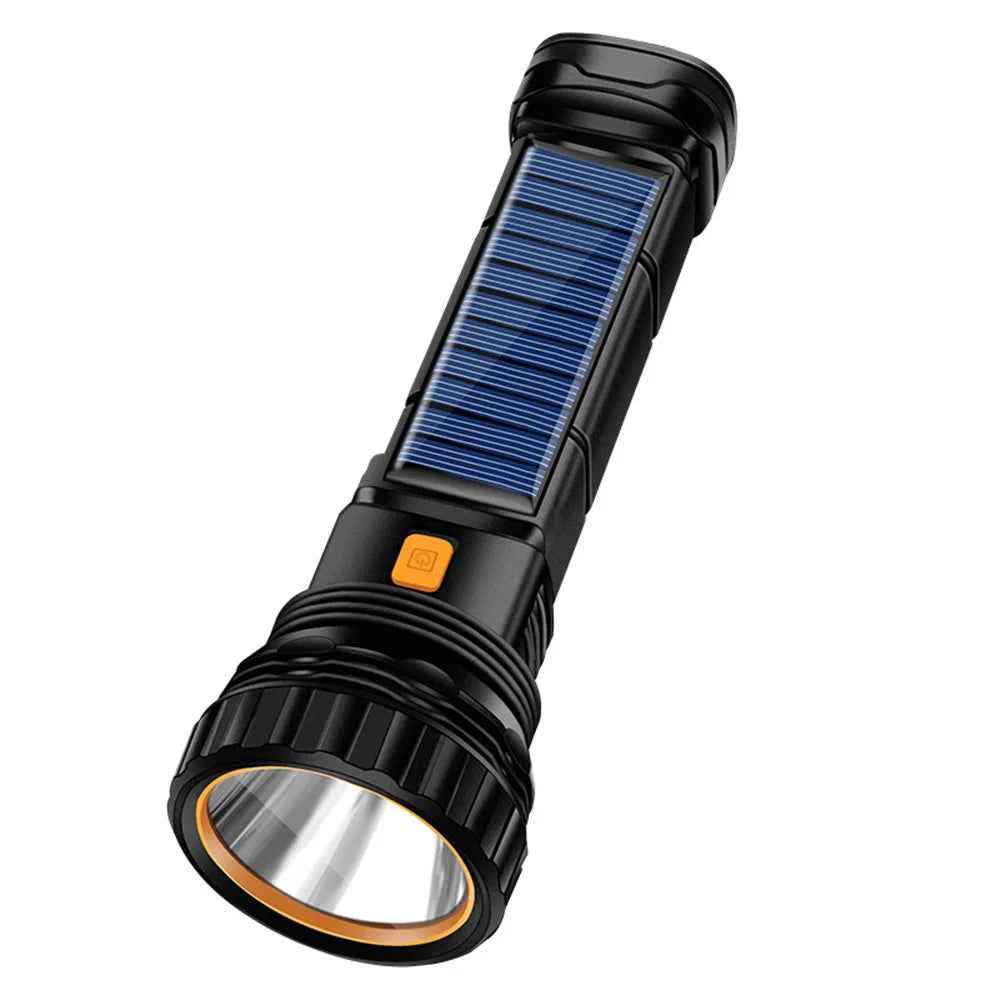
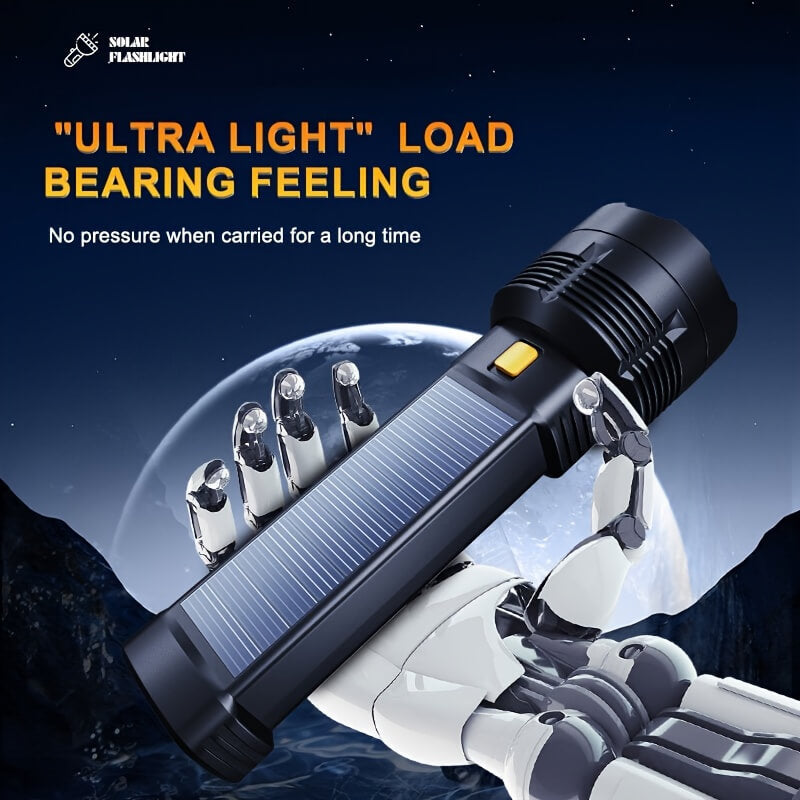
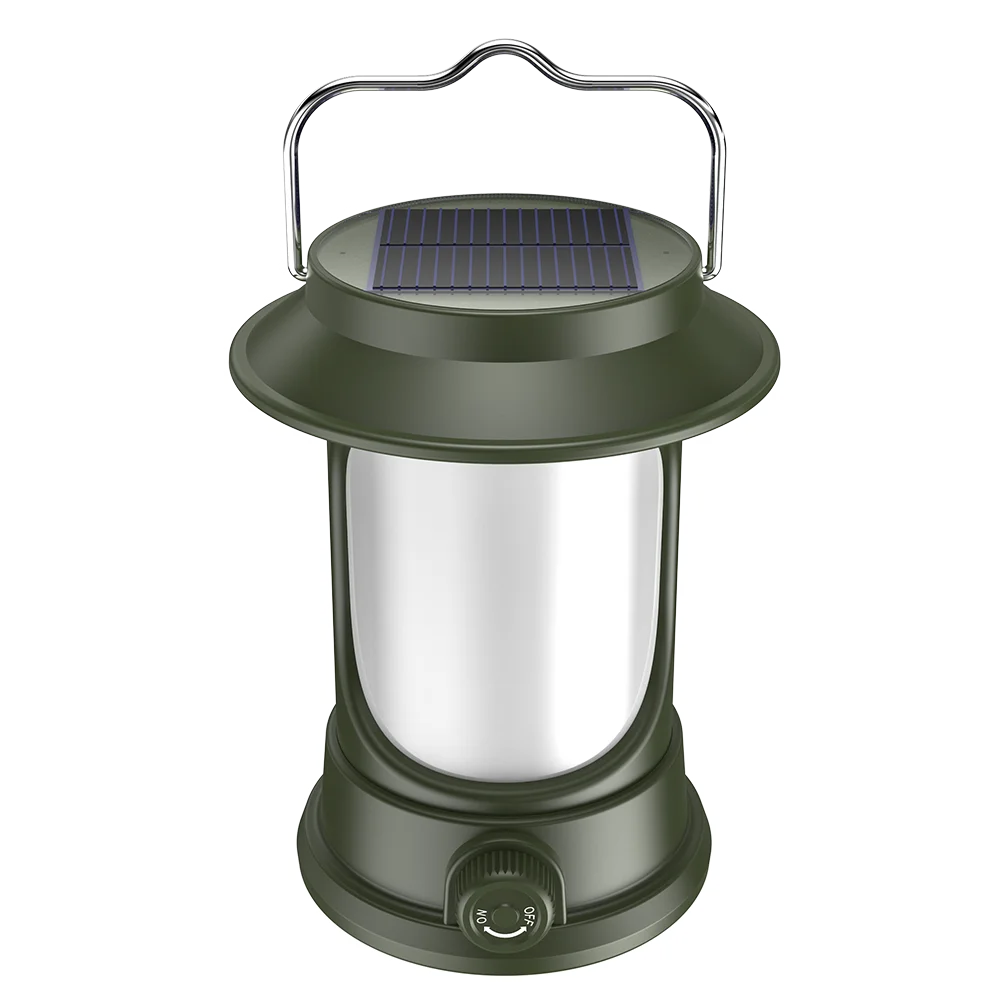
One of the biggest shifts in off-grid camping 2026 is the move toward reliable solar-powered systems. More campers are ditching disposable batteries and gas-heavy setups for portable solar gear that keeps working day after day.
A solid solar setup now powers:
-
GPS devices
-
Emergency radios
-
Water purifiers
-
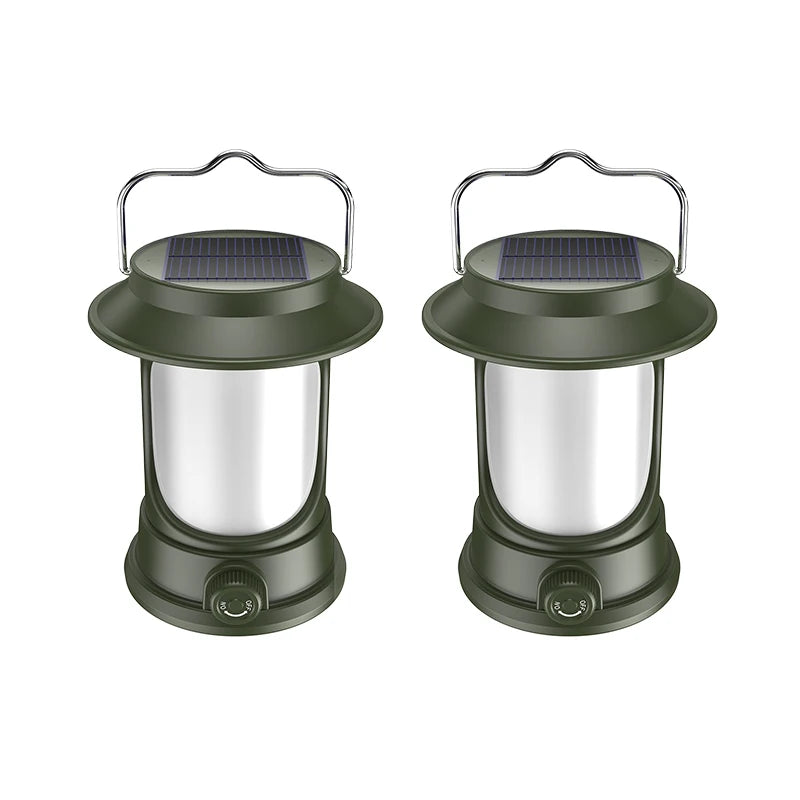
Rechargeable lanterns
-
Phones
-
Camp lighting
-
Small cooking systems
And no this isn’t about luxury camping. It’s about staying operational when you’re deep in the backcountry or dealing with a grid failure.
The best setups are compact and modular. Foldable solar panels paired with high-capacity power banks are becoming standard gear for serious off-grid users.
Wilderness Survival Tip
Always keep one backup charging method. Solar works best with clear weather, but dense forest, storms, and winter conditions can slow charging fast.
Carry redundancy or pay for it later.
2. Lightweight Gear Is Replacing Heavy “Tacticool” Junk
A lot of survival gear looks tough.
That doesn’t mean it belongs in your pack.
One major survival gear trend in 2026 is the move away from oversized, military-style gear that weighs a ton and burns energy fast. Experienced outdoorsmen are trimming unnecessary weight and focusing on mobility.
Heavy packs destroy stamina.
Lightweight gear extends range.
That means:
-
Compact cook kits
-
Titanium tools
-
Ultralight shelters
-
Packable sleeping systems
-
Multi-use equipment
The old mindset was “bring everything.”
The new mindset is “bring only what earns its weight.”
That matters when you’re covering miles on foot or bugging out fast.
Wilderness Survival Tip
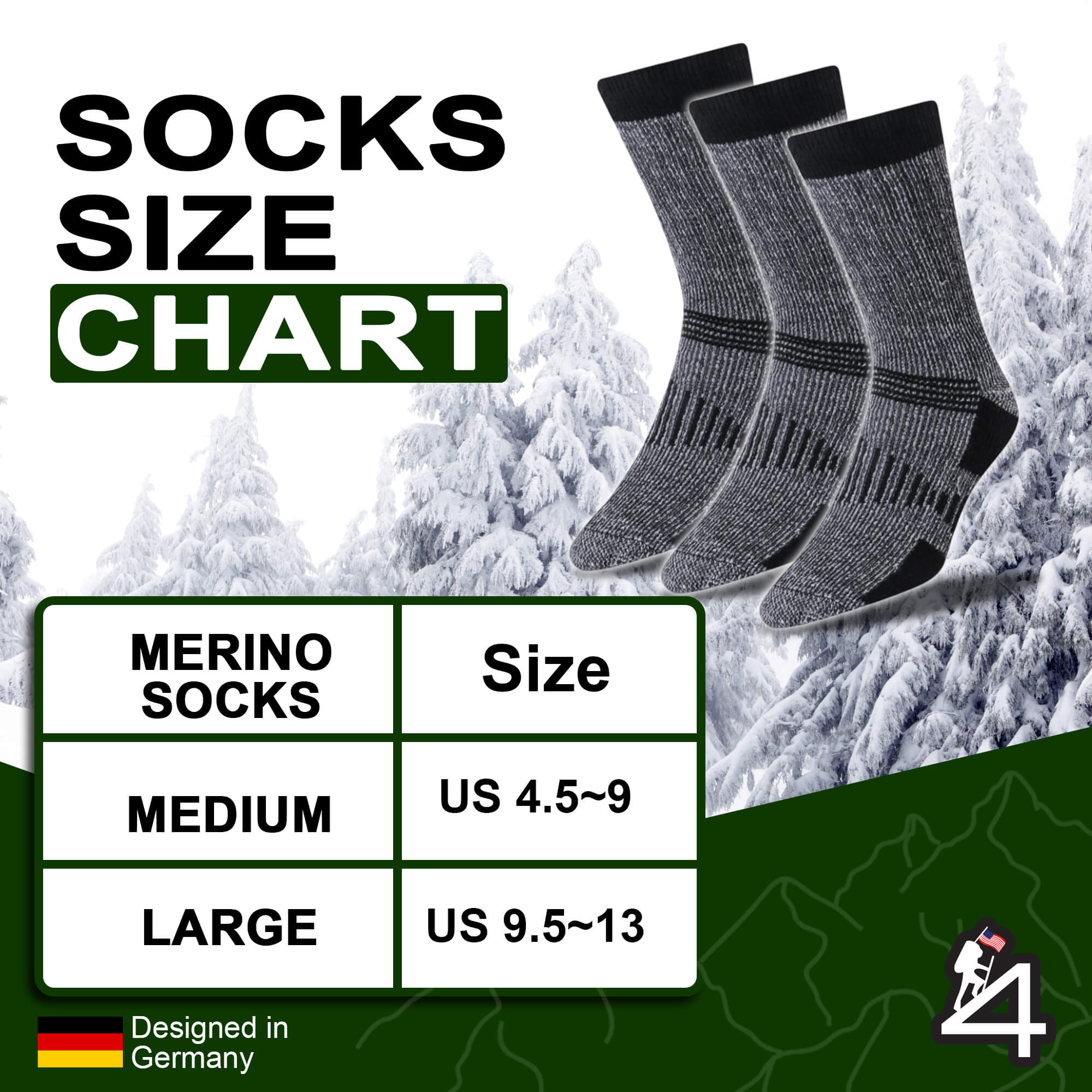
Weigh your full pack before every trip. Most people carry 20–30% more gear than they actually need.
Dead weight becomes pain after mile five.
3. Water Filtration Systems Are Getting Smarter
Water kills more survival plans than food shortages ever will.
Clean water used to mean boiling everything or carrying gallons on your back. Not anymore.
Modern filtration systems are lighter, faster, and more reliable than they were even five years ago. Gravity filters, compact pump systems, and survival straws are becoming standard in off-grid camping setups.
The key trend?
Layered water systems.
Smart survivalists don’t rely on one filter anymore. They combine:
-
Mechanical filtration
-
Chemical purification
-
Boiling methods
-
Backup storage systems
Because when one method fails, you still drink.
And if you think that’s overkill, spend three days sick with contaminated water and rethink it.
Wilderness Survival Tip
Never trust “clear” water. Fast-moving streams can still carry bacteria, parasites, and runoff from miles upstream.
Filter everything.
4. Off-Grid Communication Is Becoming Essential
Cell service is unreliable when you actually need it.
That’s why communication gear is exploding in popularity heading into 2026.
More campers are carrying:
-
Satellite messengers
-
Handheld HAM radios
-
Emergency beacons
-
Solar-powered radios
-
Offline GPS systems
This isn’t paranoia. It’s practical.
Weather changes fast. Trails disappear. Injuries happen.
A good communication setup can turn a disaster into an inconvenience.
And with extreme weather events becoming more common across the U.S., more people are treating emergency communication gear as mandatory equipment instead of optional tech.
Wilderness Survival Tip
Never rely entirely on digital navigation. Electronics fail.
Carry paper maps and know how to use them.
5. Modular Survival Gear Is Taking Over
Single-purpose gear wastes space.
That’s why modular systems are one of the fastest-growing survival gear trends right now.
In 2026, smart campers want equipment that adapts to multiple situations instead of filling packs with separate tools.
The best modular gear includes:
-
Convertible lantern/power banks
-
Multi-use tarps
-
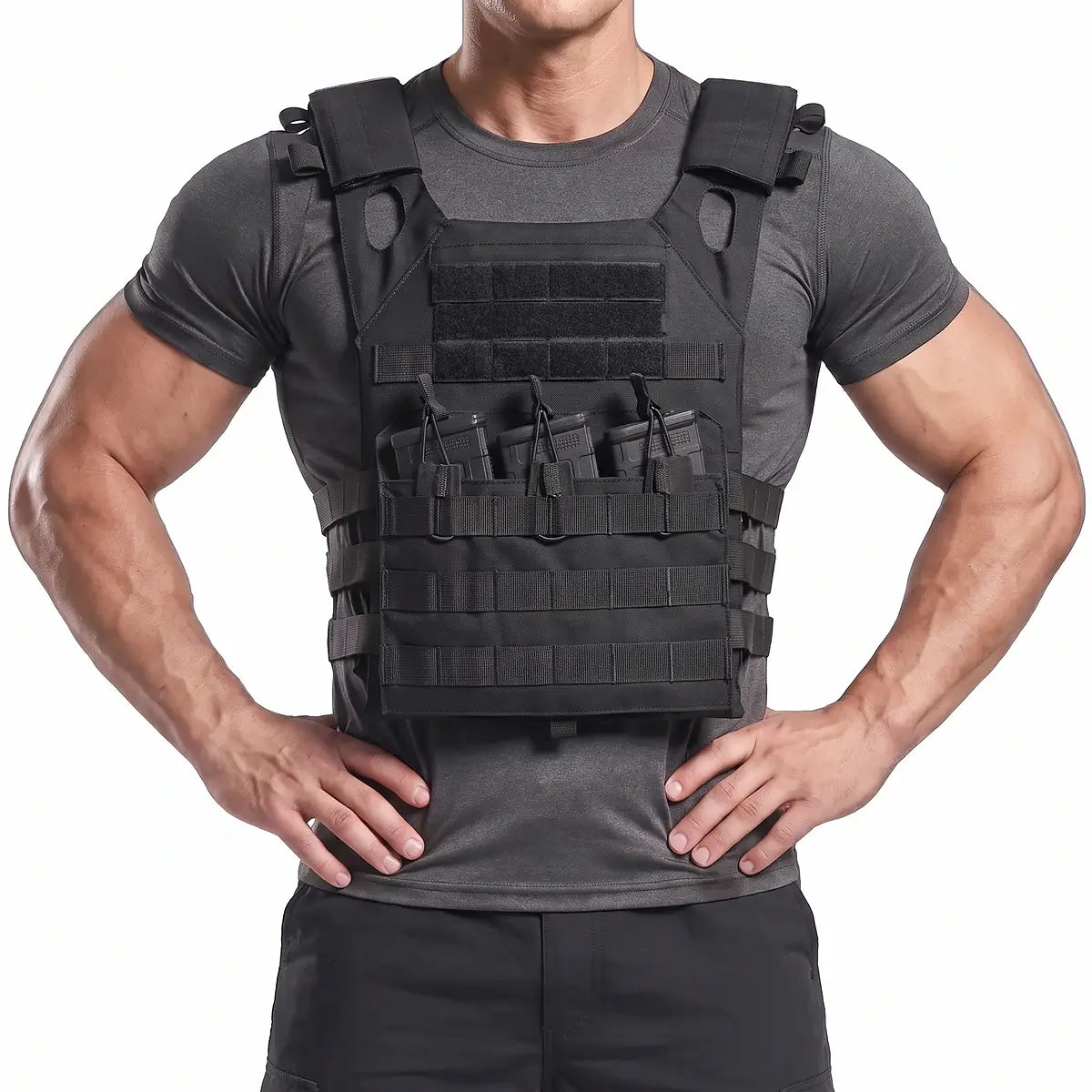
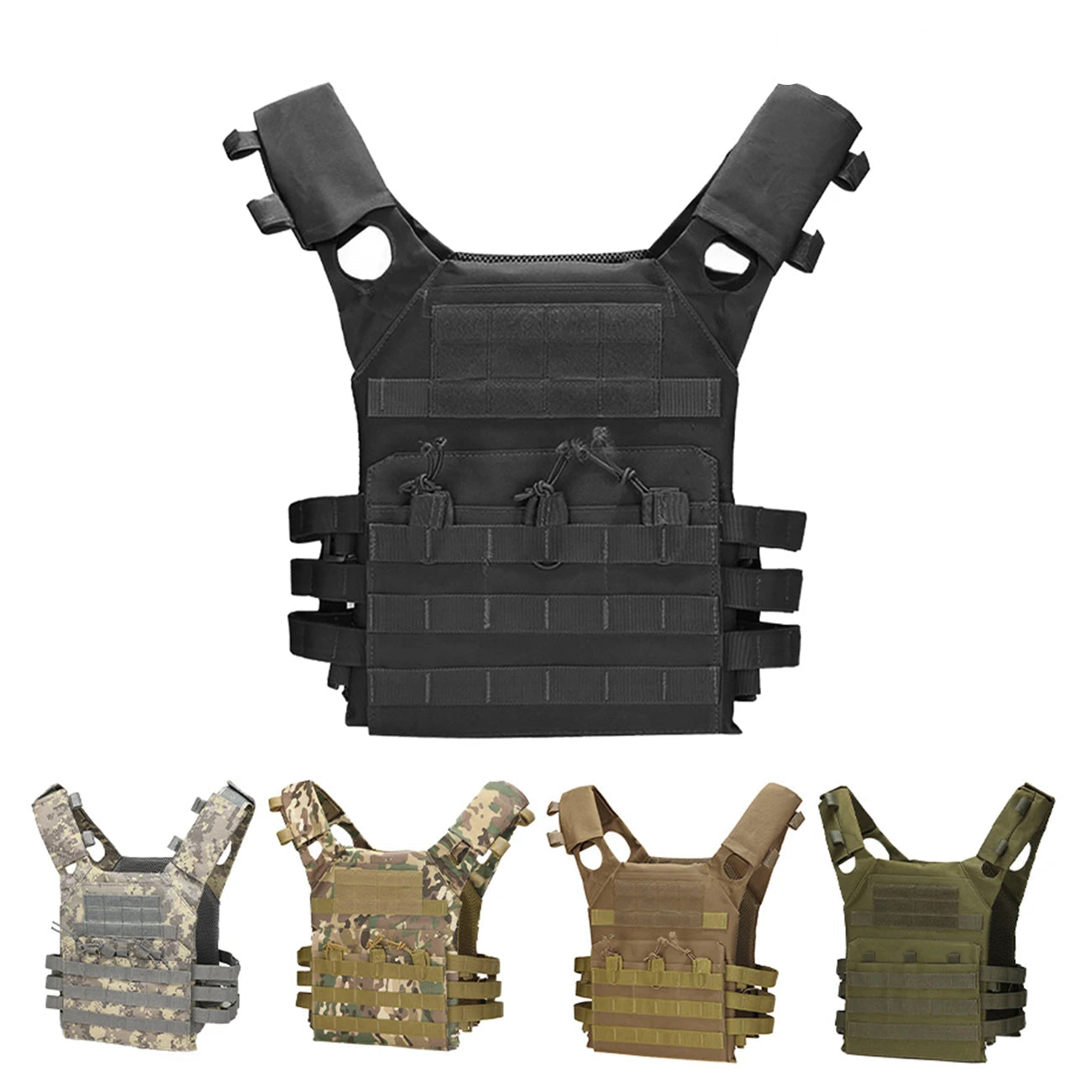
MOLLE-compatible storage systems
-
Expandable backpacks
-
Survival shovels with interchangeable heads
-
Cooking kits that nest together
Versatility matters off-grid.
Every item should solve more than one problem.
That mindset saves weight, space, and energy while increasing efficiency in the field.
Wilderness Survival Tip
If a piece of gear only serves one purpose, question whether it belongs in your pack.
Multi-use equipment wins long-term.
6. Cold Weather Preparedness Is Getting Serious
People underestimate cold until it starts killing batteries, draining energy, and wrecking sleep.
One major shift in off-grid camping 2026 is improved cold-weather readiness. Campers are investing in better insulation systems, layered clothing, and heat-efficient shelters.
Because staying warm isn’t about comfort.
It’s survival.
Modern cold-weather setups focus on:
-
Heat retention
-
Moisture management
-
Battery protection
-
Layer efficiency
-
Compact insulation systems
More survivalists are also learning hard lessons about condensation inside shelters. A wet sleeping bag in freezing weather can become a serious problem fast.
Wilderness Survival Tip
Cotton kills.
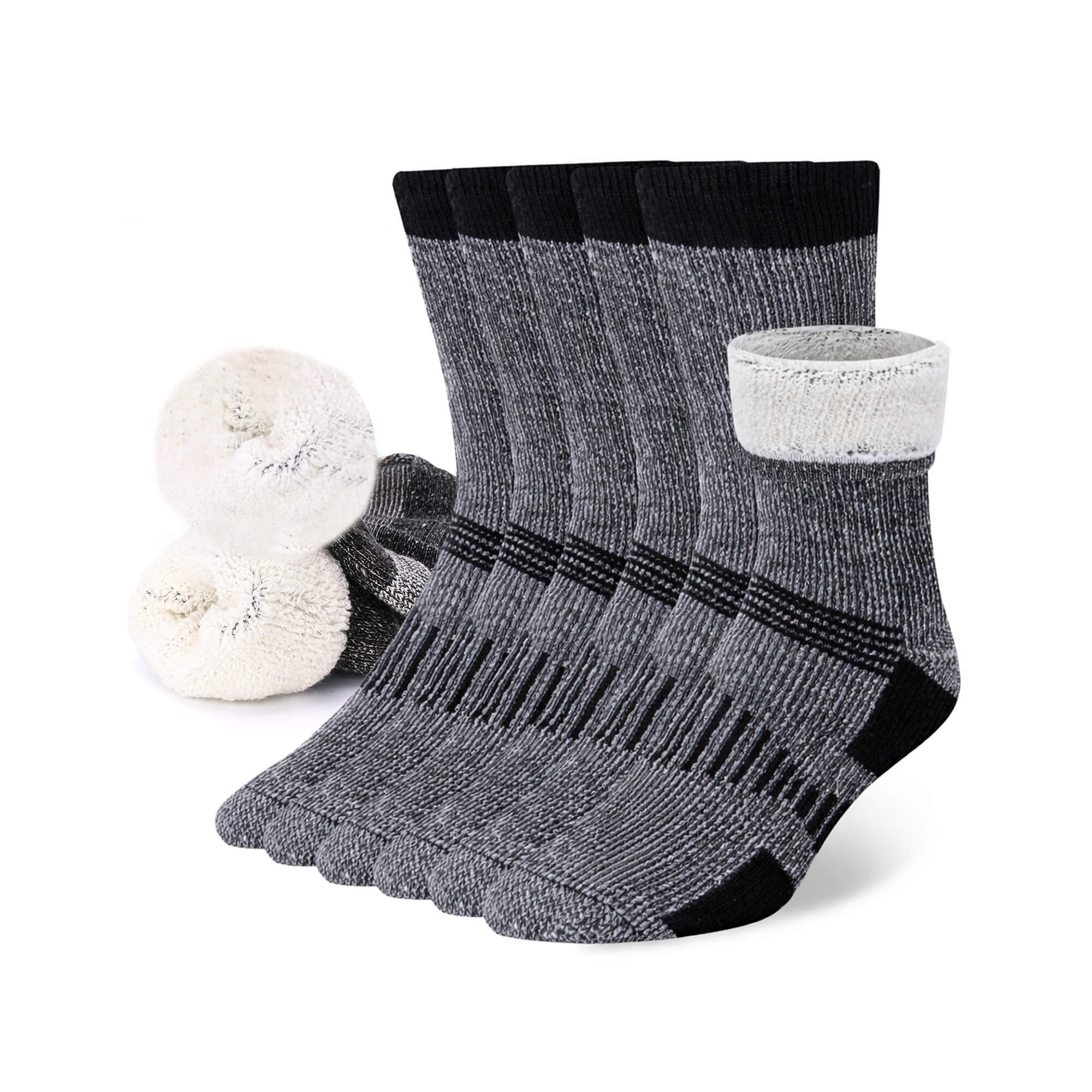
Avoid cotton clothing in cold or wet environments. Once soaked, it steals body heat fast.
Wool and synthetic layers save lives.
7. Self-Reliance Is Becoming the Core of Modern Camping
This is the biggest trend of all.
People are tired of depending on systems they don’t trust.
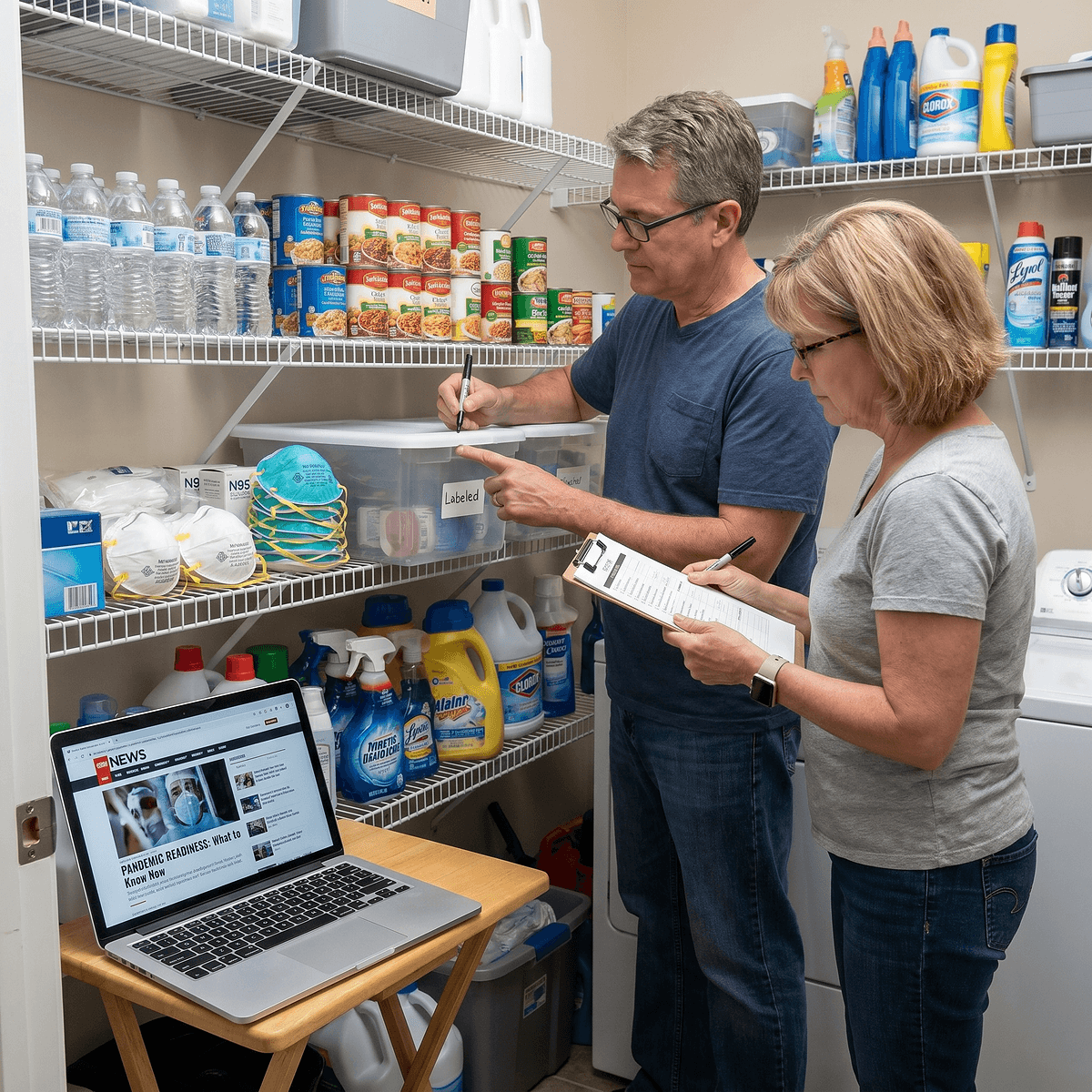
That’s pushing more Americans toward off-grid skills, wilderness training, and self-sufficient camping setups.
Camping used to be recreation.
Now it’s preparation.
More people are learning:
-
Fire-starting without lighters
-
Shelter building
-
Food preservation
-
Emergency medical skills
-
Navigation
-
Water sourcing
-
Long-term off-grid living
And honestly?
That’s a good thing.
Because gear matters — but skills matter more.
A $500 survival kit won’t help someone who panics when conditions get rough.
The future belongs to people who stay calm, adapt fast, and know how to operate without convenience.
Wilderness Survival Tip
Practice your skills before you need them.
Testing gear in perfect weather tells you nothing.
Train in rain, wind, cold, and darkness.
That’s where weaknesses show up.
Final Thoughts
The future of camping isn’t softer.
It’s smarter.
Off-grid camping in 2026 is shifting toward lightweight mobility, dependable power, layered preparedness, and practical survival systems built for real-world conditions.
People are cutting the junk.
They want gear that lasts, tools that work, and setups that keep them independent when things go sideways.
And that shift isn’t slowing down.
Whether you’re building a bug-out rig, upgrading your wilderness camp, or preparing for longer off-grid trips, the goal stays the same:
Stay mobile. Stay prepared. Stay self-reliant.
The woods don’t care how expensive your gear is.
They only care whether it works.
What’s Your Off-Grid Setup?
Drop a comment below and share your current camping or survival setup. What gear has earned a permanent place in your pack? What failed when you needed it most?
Let’s hear what actually works in the field.