Most people forgot the lessons of 2020 the second stores filled back up.
That was their first mistake.
The second mistake was believing modern systems can handle anything. Supply chains failed. Hospitals got overwhelmed. Store shelves emptied in days. Basic items disappeared overnight. People panicked because they realized how fragile daily life really is.
Now in 2026, preparedness is back in the spotlight again.
Health agencies are monitoring new outbreaks across parts of Africa, including growing concern surrounding Ebola 2026 developments. The overall global risk remains low for now, but experienced survivalists understand something the average person ignores:
You do not prepare because disaster is guaranteed.
You prepare because systems fail fast when pressure hits.
That mindset is driving a new wave of off grid living, pandemic preparedness, and survival planning across the United States. More families are learning how to store food, secure clean water, generate power, and reduce dependence on unstable infrastructure.
And honestly, they should.
Because when panic spreads, the people with skills and supplies stay calm while everyone else fights over toilet paper and bottled water.
This is not fear based thinking.
This is reality.
These are the biggest preparedness and survival tips more Americans are focusing on as pandemic concerns rise again in 2026.
1. More People Are Building Long Term Food Storage
Most grocery stores only carry enough food for a few days.
That fact alone should concern you.
One disruption to transportation or distribution systems can empty shelves almost overnight. We already watched it happen once. Smart survivalists paid attention.
That is why food storage is becoming one of the fastest growing preparedness trends in America.
People are stocking:
- Rice
- Beans
- Freeze dried meals
- Canned proteins
- Salt
- Coffee
- Powdered milk
- Shelf stable fats
- Emergency ration bars
The key is not hoarding.
The key is rotation.
A real preparedness system uses foods your family already eats. Supplies should rotate naturally through daily use instead of sitting untouched for ten years in a basement.
Long term food security also means learning basic skills:
- Cooking without electricity
- Preserving meat
- Vacuum sealing
- Dehydrating food
- Growing vegetables
- Water bath canning
People who rely entirely on stores are one truck delay away from a problem.
Preparedness and Survival Tip
Store what you eat and eat what you store.
Fancy survival food means nothing if your family refuses to touch it during an emergency.
2. Water Security Is Becoming More Important Than Food
You can survive weeks without food.
Water is different.
Every serious pandemic preparedness plan starts with water security. During emergencies, contamination risks increase fast. Water treatment facilities fail. Supply chains break. Panic buying empties stores immediately.
That is why smart survivalists build layered water systems.
A proper setup includes:
- Water filtration systems
- Backup purification tablets
- Rain collection methods
- Stored drinking water
- Boiling systems
- Portable filters for bug out situations
Many off grid families now keep multiple independent water sources because relying on one system is dangerous.
And no, bottled water alone is not a plan.
A family burns through water faster than most people realize.
Preparedness and Survival Tip
Have at least two purification methods available at all times.
One is none when equipment fails.
3. Off Grid Power Is Exploding in Popularity
Power outages expose weakness fast.
No lights. No refrigeration. No communication. No internet. No charging. Most people become helpless within hours.
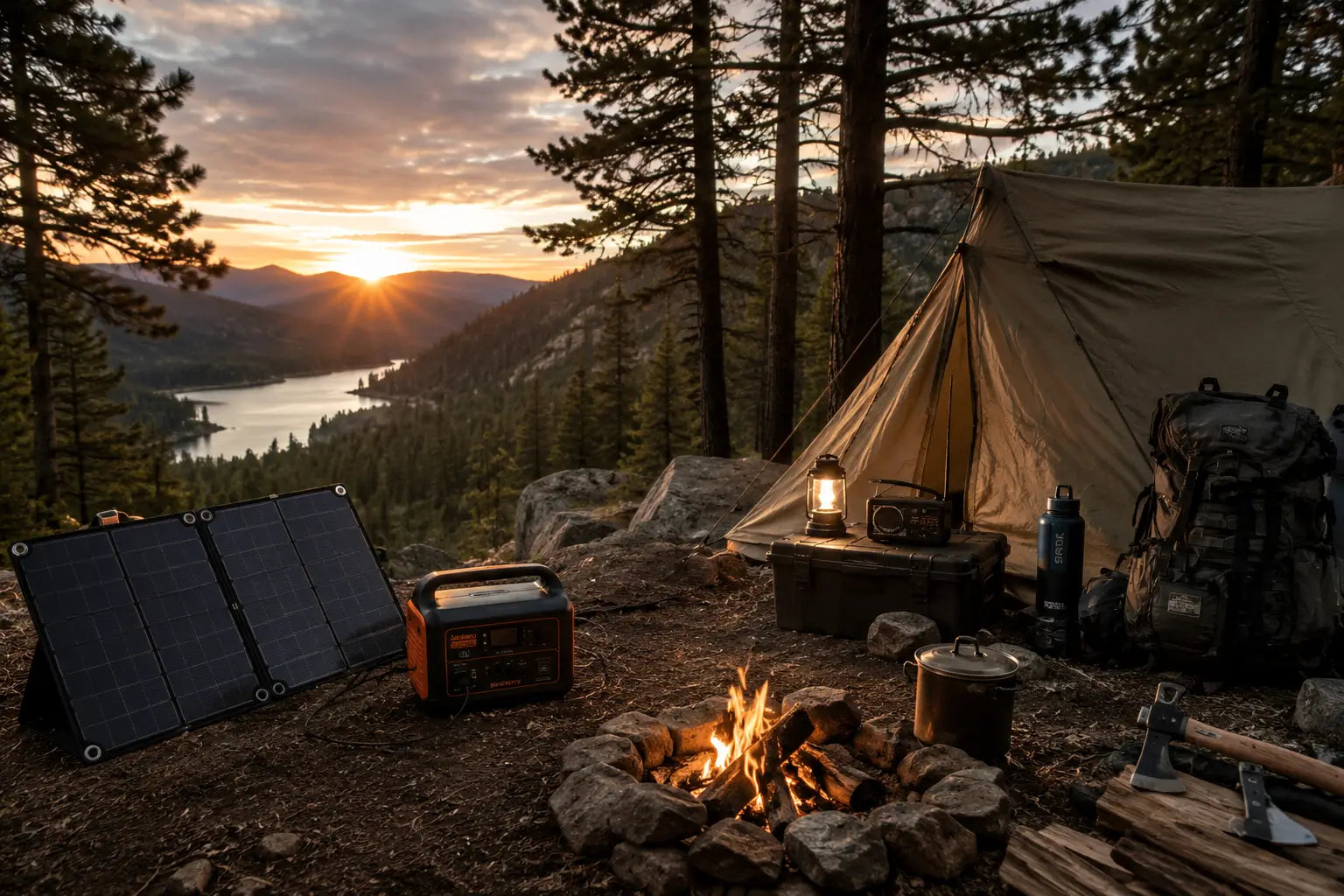
That is one reason off grid power systems are booming in 2026.
More Americans are investing in:
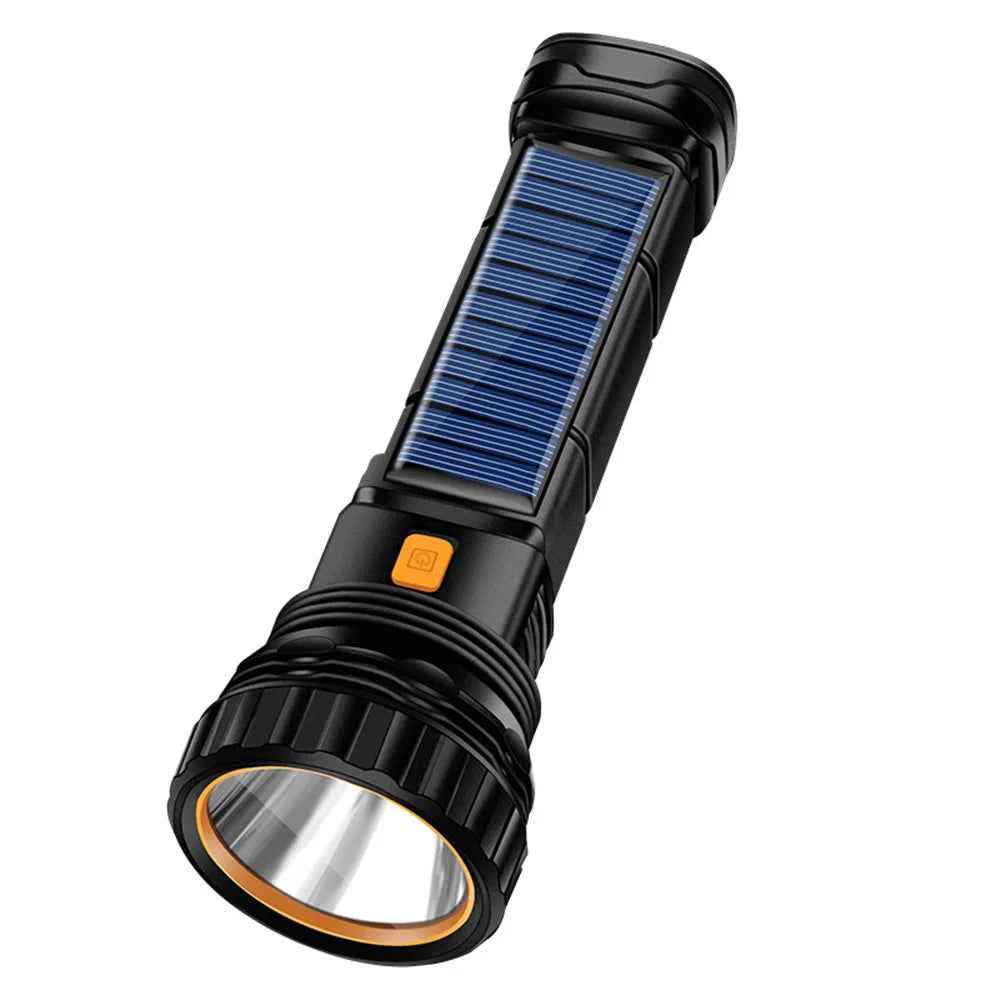
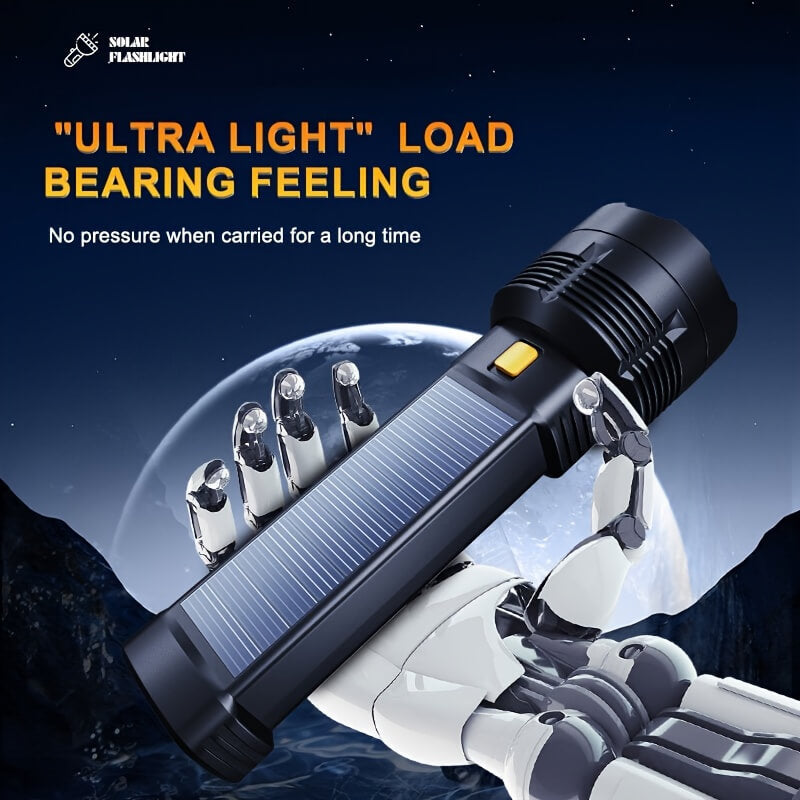
- Solar generators
- Portable solar panels
- Battery banks
- Backup radios
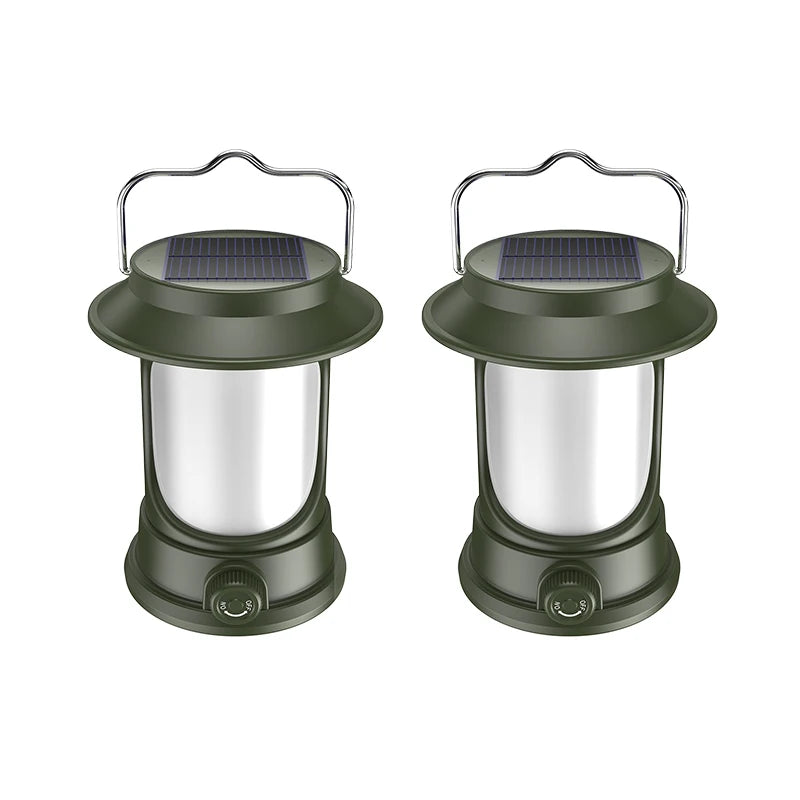
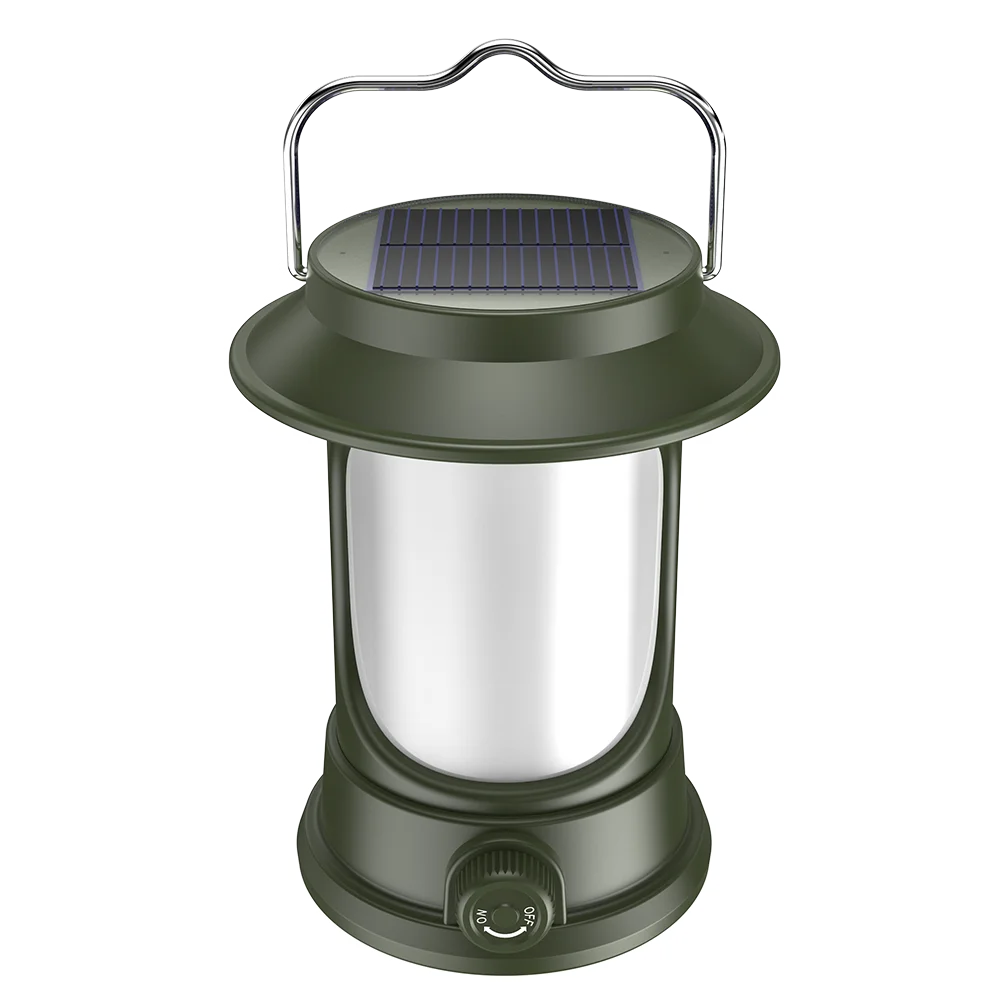
- Rechargeable lanterns
- Emergency charging systems
The goal is simple.
Maintain independence when the grid fails.
And during major emergencies or pandemics, electrical disruptions become far more likely because strained systems break under pressure.
Off grid power is no longer viewed as a hobby for campers.
It is becoming part of mainstream preparedness.
Preparedness and Survival Tip
Small solar systems outperform fuel generators during long emergencies because sunlight does not run out.
Fuel does.
4. Medical Preparedness Is No Longer Optional
The Ebola 2026 situation is reminding people of something uncomfortable:
Medical systems can become overloaded very quickly.
During major outbreaks, hospitals prioritize severe cases first. Routine medical care slows down. Pharmacies run low on supplies. Waiting rooms become exposure zones.
That reality is pushing more survivalists toward medical preparedness.
People are building:
- Trauma kits
- Long term medication storage
- Antibiotic backups where legal
- N95 masks
- Disinfectant supplies
- Protective gloves
- Fever management kits
- Quarantine supplies
Preparedness also means learning skills.
A fully stocked medical bag is useless if nobody knows how to use it.
More off grid families are now training in:
- Basic wound care
- CPR
- Emergency trauma response
- Infection control
- Splinting
- Burn treatment
Skills beat equipment every time.
Preparedness and Survival Tip
Most emergencies start small.
Learn to treat cuts, burns, dehydration, and infections before they become serious problems.
5. People Are Leaving Cities Behind
Large cities become dangerous fast during panic events.
Crowded stores. Supply shortages. Crime spikes. Traffic gridlock. Dependence on public systems.
More Americans are realizing this and moving toward rural living or semi off grid setups.
That shift accelerated after the last pandemic and continues growing today.
People want:
- Land
- Water access
- Food independence
- Privacy
- Energy security
- Distance from population centers
Even those staying in cities are building bug out plans in case conditions deteriorate.
And honestly, that is smart planning.
Because when systems strain, population density becomes a liability.
Preparedness and Survival Tip
Know at least three evacuation routes from your area.
During emergencies, major highways become parking lots.
6. Communication Gear Is Becoming Essential Again
Information matters during emergencies.
But most people rely entirely on smartphones.
That is a mistake.
Cell networks become overloaded quickly during disasters. Internet service can fail. Power outages shut down communication systems.
Preparedness focused families are investing in:
- Handheld radios
- Emergency weather radios
- Satellite communicators
- Offline GPS devices
- Printed maps
- Signal equipment
Reliable communication provides:
- Weather updates
- Emergency alerts
- Family coordination
- Navigation support
- Situational awareness
In off grid situations, information can mean the difference between calm decision making and blind panic.
Preparedness and Survival Tip
Never depend completely on digital navigation.
Paper maps still work when batteries die.
7. Skills Are Becoming More Valuable Than Gear
This is the biggest shift happening right now.
People are realizing gear alone will not save them.
Preparedness without skills creates false confidence.
A person with expensive equipment but zero experience becomes dangerous to themselves once conditions get difficult.
That is why more survivalists are focusing on practical skills instead of endless gear buying.
Real preparedness skills include:
- Fire starting
- Shelter building
- Navigation
- Water purification
- Food preservation
- Hunting
- Fishing
- Emergency cooking
- Self defense
- Situational awareness
The people who handle emergencies best are rarely the loudest online.
They are usually the quiet ones who practiced before problems started.
That mindset matters now more than ever as pandemic concerns return to public attention.
Preparedness and Survival Tip
Practice your survival skills during bad weather.
Comfort creates false confidence.
Rain, cold, darkness, and stress expose weaknesses fast.
Why Ebola 2026 Has People Paying Attention Again
Most Americans are not panicking about Ebola 2026.
But they are paying attention.
Because outbreaks remind people how quickly normal life can change. Airports slow down. Supply chains tighten. Governments issue warnings. Fear spreads faster than facts.
Experienced survivalists understand that preparedness is not about predicting one specific disaster.
It is about reducing dependence on fragile systems no matter what happens.
Pandemic.
Economic collapse.
Power failure.
Cyber attack.
Natural disaster.
The cause matters less than the outcome.
Prepared people stay functional longer.
Final Thoughts
Preparedness is not paranoia.
It is responsibility.
The people preparing today are not expecting the end of the world tomorrow morning. They simply understand modern life is more fragile than most people want to admit.
The recent Ebola 2026 concerns are just another reminder.
Systems fail.
Supply chains break.
Panic spreads quickly.
And during emergencies, self reliance becomes priceless.
That is why more Americans are learning survival skills, building off grid systems, storing food, securing water, and reducing dependence on unstable infrastructure.
Because when the next crisis hits, the goal is simple:
Stay calm.
Stay prepared.
Stay independent.
What Does Your Preparedness Setup Look Like?
Drop a comment below and share your current off grid setup, survival gear, or preparedness plan. What upgrades have you made recently? What lessons did you learn from the last pandemic?
Let the community know what actually works when systems start breaking down.