Most people think about emergency preparedness in terms of what they have at home.
Food. Water. Flashlights. Batteries. Maybe a generator or some camping gear.
But there is one place where a surprisingly large amount of time can be spent during an emergency:
Your car.
A flat tire, dead battery, severe weather, unexpected road closure, or simple mechanical problem can leave you sitting on the side of the road for hours.
And it doesn't have to be some dramatic disaster. Sometimes the emergency is simply being 50 miles from home when your car decides it isn't going anywhere.
That's why keeping a basic emergency kit in your vehicle makes sense.
You don't need to turn your trunk into a survival bunker. You just need a handful of items that can help you stay safe, stay visible, stay warm, communicate, and deal with common problems until help arrives.
Here's what we recommend keeping in your car.
The Complete Emergency Car Kit Checklist
If you want the short version, start with these:
- Phone charger
- Backup power bank
- Flashlight or headlamp
- First aid kit
- Drinking water
- Non-perishable snacks
- Jumper cables or jump starter
- Tire pressure gauge
- Basic tools
- Work gloves
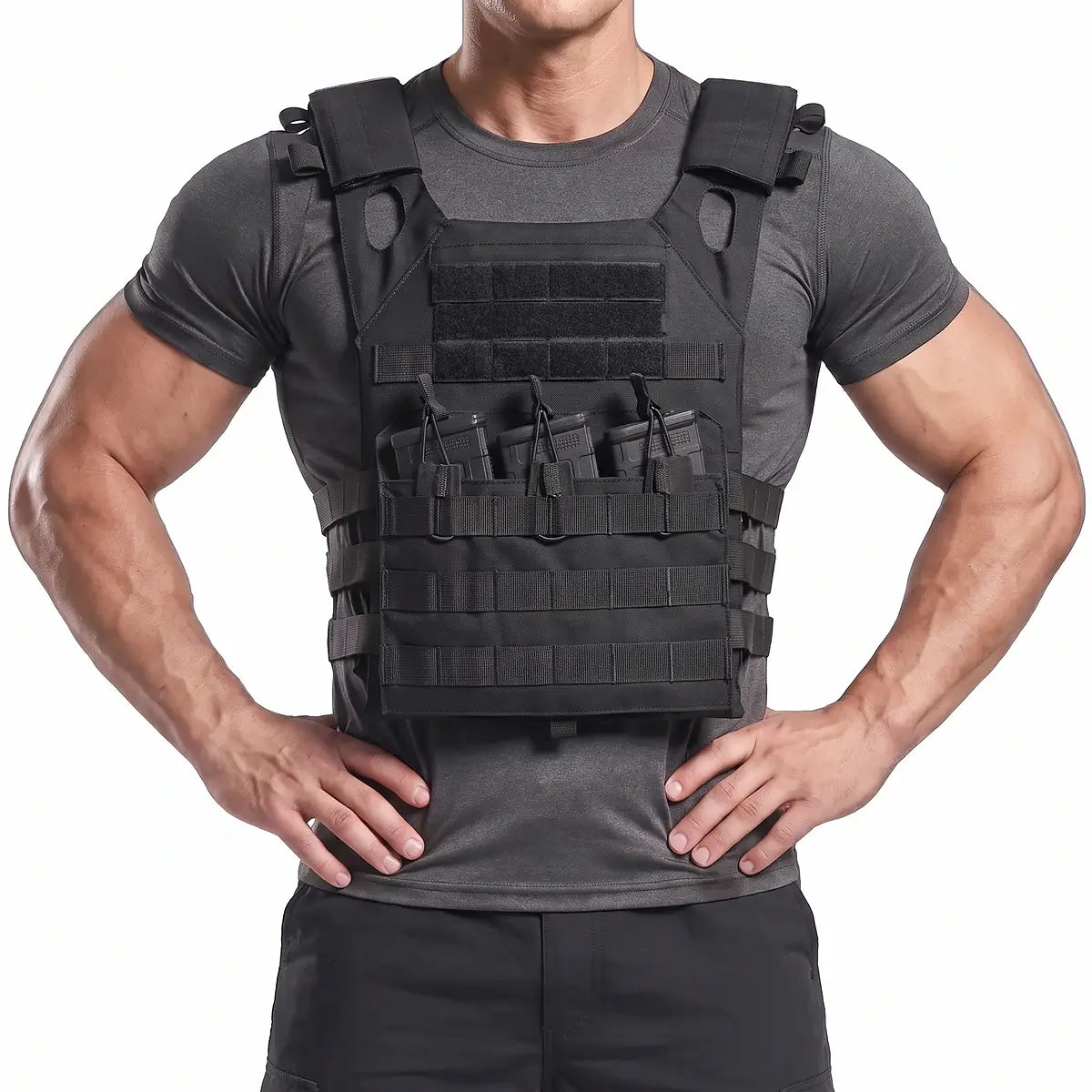
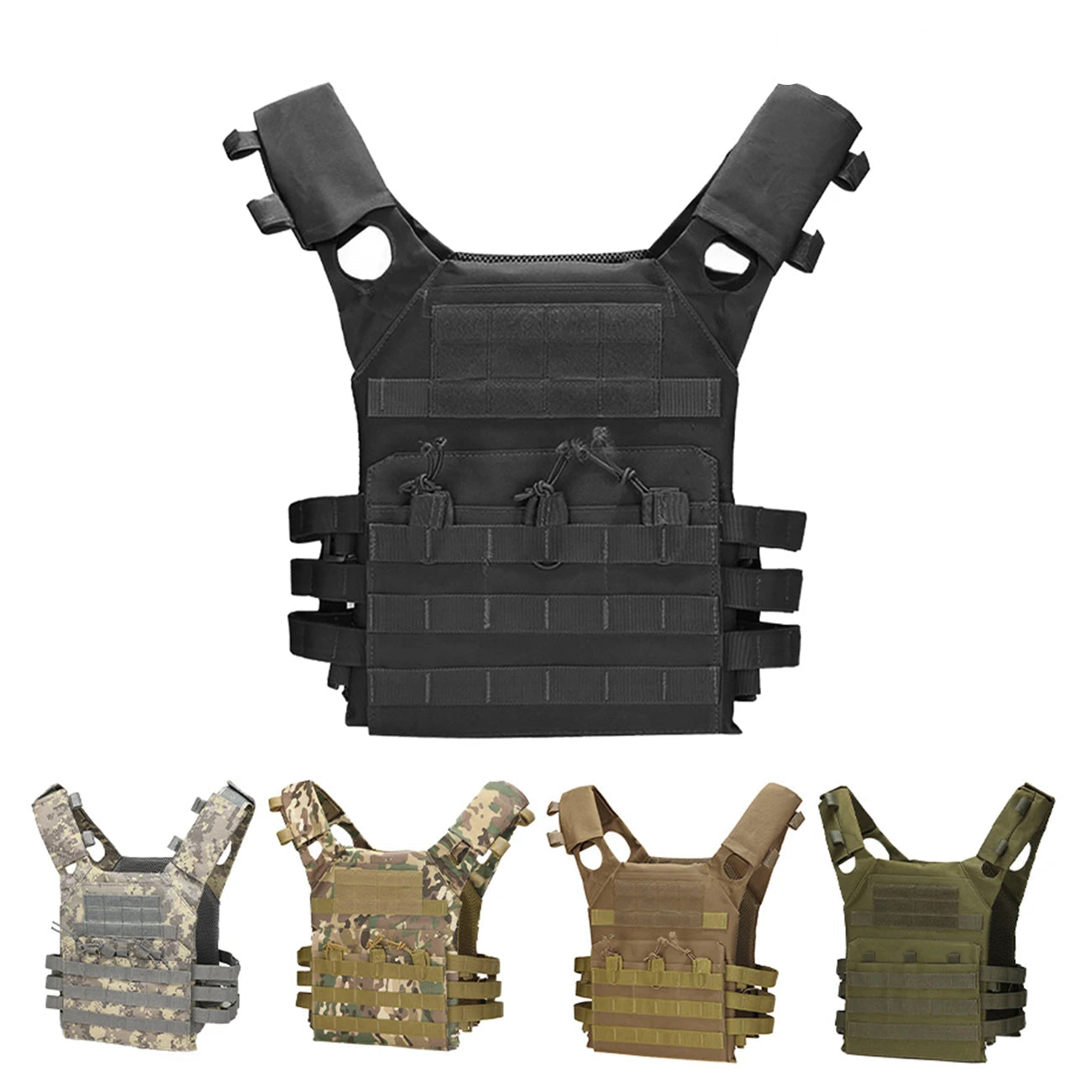
- Reflective vest
- Warning triangles or other visibility equipment
- Emergency blanket
- Extra warm clothing
- Rain jacket or poncho
- Duct tape
- Tow rope
- Tire inflator or repair kit
- Ice scraper
- Small shovel
- Traction material
- Paper maps
- Whistle
- Basic hygiene supplies
- Necessary medication
- Cash
- Emergency contact information
You don't necessarily need every item year-round.
Your kit should change depending on where you live, what kind of weather you regularly encounter, how far you drive, and who travels with you.
1. Keep a Reliable Way to Charge Your Phone
Your phone is probably the single most useful piece of equipment you have during an emergency.
It can call for help, provide navigation, receive weather alerts, store emergency contacts, and help you communicate your location.
The problem?
Your phone battery doesn't care that you're having a bad day.
If you're stuck somewhere for several hours, constantly using GPS, making calls, or searching for information can drain it quickly.
Keep a charging cable in your car, ideally one that matches your phone.
But don't stop there.
A car charger depends on the vehicle's electrical system. If the car battery is dead or the vehicle won't start, that solution may not be available.
That's where a backup power bank becomes useful.
A power bank gives you another layer of backup
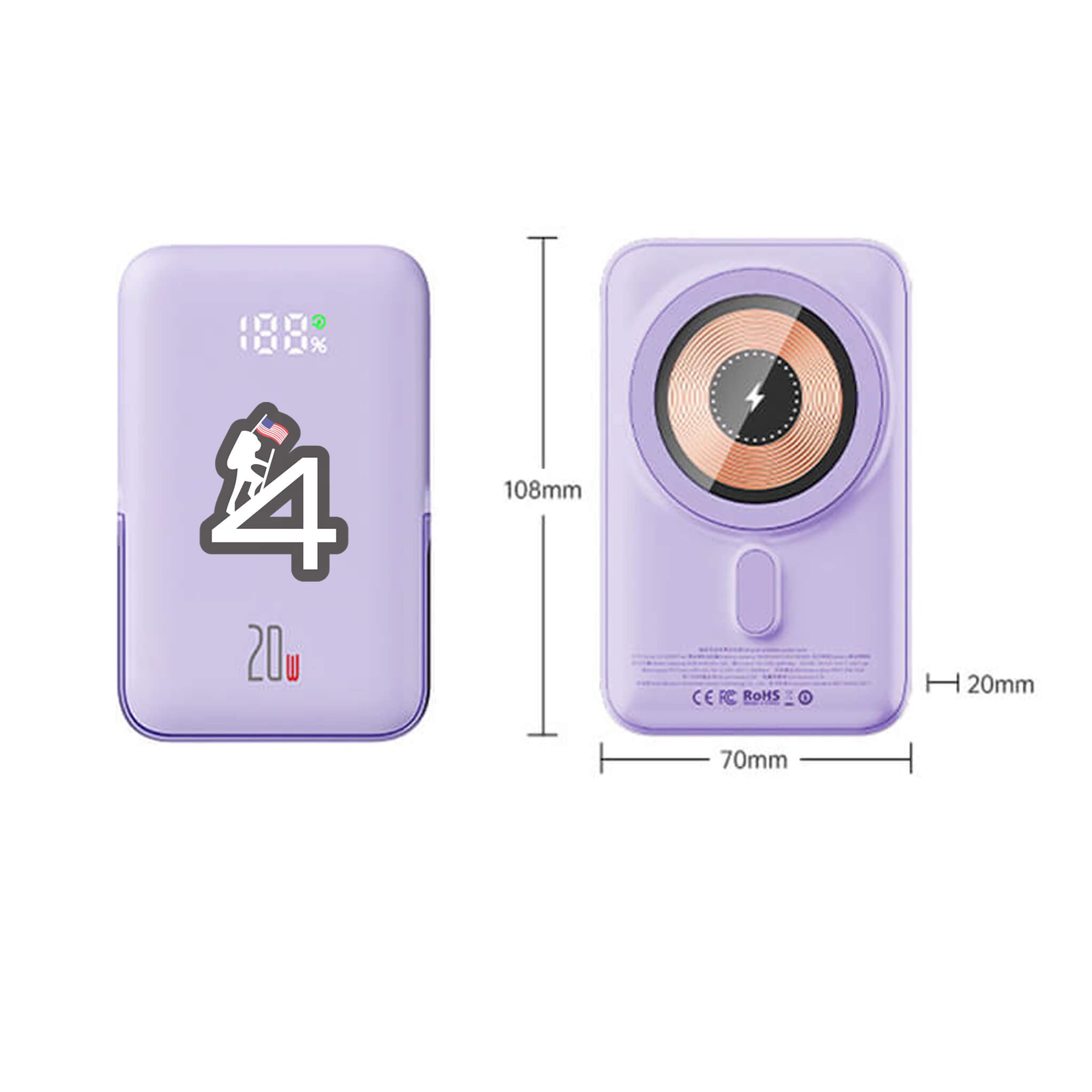
The V2 Solar-Beast Powerbank 50,000 mAh is designed for exactly this kind of situation.
It provides a large reserve of stored power and includes built-in retractable USB-A, USB-C, Micro-USB, and Lightning cables, so you don't have to carry several separate charging cables.
It also supports solar charging, giving you another potential charging option when you're away from an outlet for an extended period.
For an emergency car kit, the important idea isn't simply having a huge battery.
It's having more than one way to keep your communication devices working.
2. Carry a Flashlight or Headlamp
Never underestimate how difficult a simple roadside problem becomes when it's dark.
Changing a tire at night is harder.
Checking under the hood is harder.
Finding something in your trunk is harder.
Walking a short distance to find help is harder.
And using your phone's flashlight for all of this isn't ideal because you're using the same battery you may need for communication.
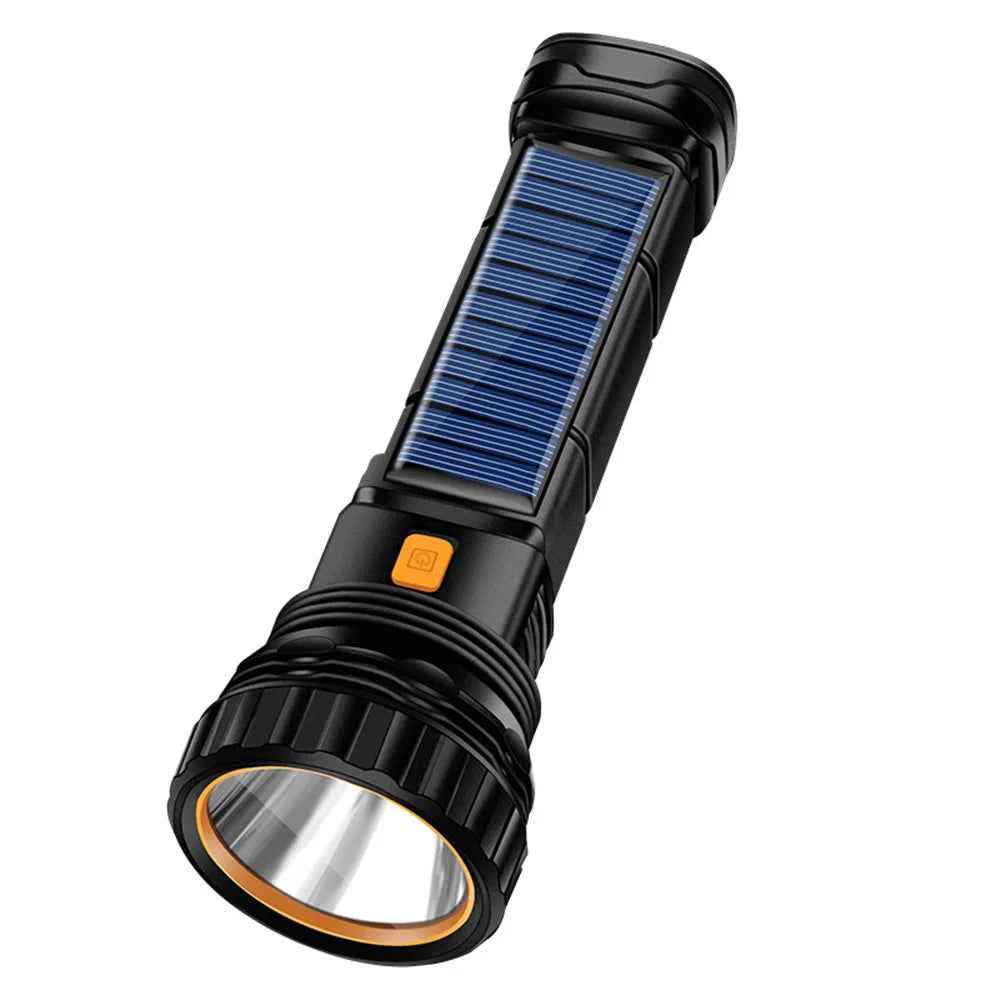
A dedicated flashlight should therefore have a permanent place in your vehicle.
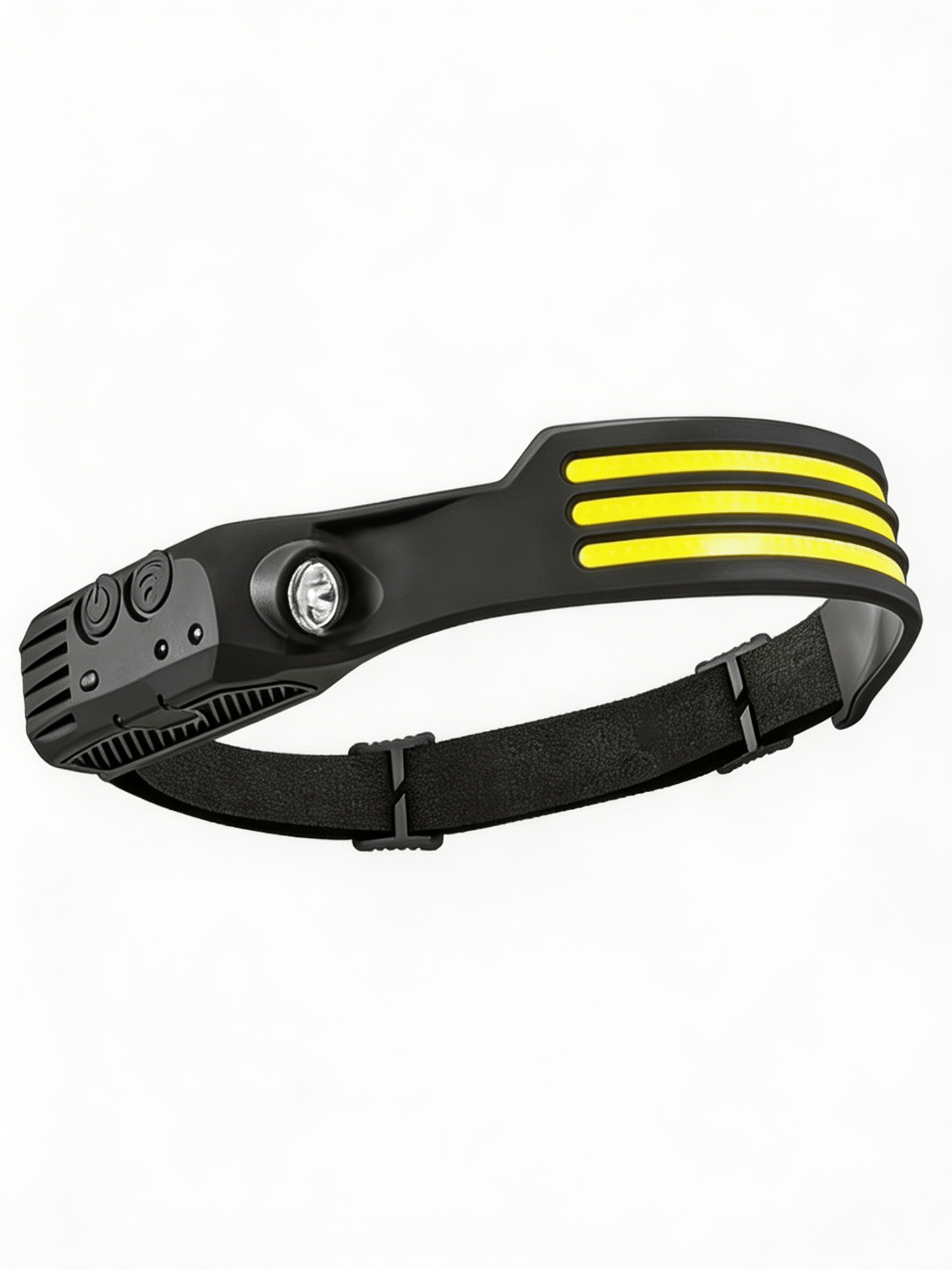
Even better, consider a headlamp.
Why a headlamp can be better than a flashlight
A headlamp leaves both hands free.
That's useful when you're:
- Working on your vehicle
- Changing a tire
- Looking under the hood
- Searching through your emergency supplies
- Walking in darkness
- Setting up equipment
The Night Forge Headlamp by Survival4Future is a good example of the type of dedicated lighting that can have a place in an emergency vehicle kit.
Keep it somewhere accessible rather than buried underneath everything in your trunk.
There's nothing worse than needing a flashlight and having to unload half the vehicle to find it.
3. Keep Water in Your Vehicle
Water is one of those things that's easy to overlook because you probably have plenty at home.
That's not particularly helpful if you're sitting in traffic several miles away.
Keep drinking water in your vehicle, especially if you regularly drive long distances.
Think about the people who normally travel with you as well.
If you have children or pets, your water requirements are obviously different from someone who drives alone.
You should also check stored water periodically and replace it according to the manufacturer's recommendations.
4. Pack Food That Doesn't Spoil Easily
You don't need to carry a week's worth of food in your trunk.
A few compact, calorie-dense snacks can make a big difference if you're unexpectedly stuck somewhere.
Good options include:
- Energy bars
- Nuts
- Dried fruit
- Crackers
- Shelf-stable snacks
- Other foods that tolerate storage conditions well
Avoid filling your emergency kit with things that melt easily or spoil quickly.
The purpose isn't to create a gourmet roadside meal.
It's to have something available when your planned trip suddenly turns into an unplanned several-hour wait.
5. First Aid Kit
A first aid kit belongs in every vehicle.
It doesn't need to be enormous, but it should cover basic injuries.
Consider including:
- Adhesive bandages
- Gauze
- Medical tape
- Antiseptic wipes
- Disposable gloves
- Scissors
- Tweezers
- Larger dressings
- Instant cold pack
- Basic over-the-counter supplies where appropriate
If you regularly travel with specific medication or medical equipment, plan for that separately.
And check your first aid kit occasionally.
A first aid kit isn't particularly useful if half the contents were used two years ago and never replaced.
6. Jumper Cables or a Jump Starter
A dead battery is one of the most common reasons people suddenly find themselves needing roadside assistance.
Jumper cables are inexpensive and don't take much space.
The downside is that you need another vehicle with a suitable battery to help you.
A portable jump starter gives you more independence because it contains its own battery.
Whichever option you choose, make sure you know how to use it correctly.
If you're not comfortable jump-starting a vehicle, don't experiment for the first time when you're stranded on the side of the road.
7. Tire Pressure Gauge and Tire Equipment
A flat tire is exactly the kind of problem that becomes much easier when you've prepared for it.
At minimum, know whether your vehicle has:
- A spare tire
- A jack
- A lug wrench
- A tire pressure monitoring system
- A tire repair kit
Keep a basic tire pressure gauge in the vehicle as well.
Before a long trip, check your tire pressure according to the vehicle manufacturer's recommended pressure—not simply the maximum pressure printed on the tire.
NHTSA also recommends checking the spare tire and having the necessary jack equipment available.
If your vehicle doesn't have a traditional spare tire, make sure you understand what the manufacturer provides instead.
8. Work Gloves
A surprisingly useful item that costs very little.
If you need to:
- Change a tire
- Handle dirty equipment
- Work around the engine
- Move debris
- Handle a tow rope
- Dig your vehicle out
you'll be glad you have gloves.
They're also useful for protecting your hands from sharp or dirty objects.
Keep them with your roadside equipment rather than somewhere completely unrelated.
9. Emergency Lighting and Visibility Gear
Being stranded isn't just about fixing the vehicle.
Other drivers need to be able to see you.
A flashlight is useful, but consider adding reflective equipment such as:
- Reflective vest
- Warning triangles
- Emergency markers
- Other high-visibility equipment appropriate for your area
This becomes especially important at night, in bad weather, or on roads with fast-moving traffic.
Your priority should be making yourself visible while staying in a safe location.
10. Emergency Blanket and Warm Clothing
A vehicle can become an uncomfortable place surprisingly quickly when the weather turns cold.
Keep at least one emergency blanket in the vehicle.
Better yet, have additional warm layers available if you regularly drive in cold weather:
- Hat
- Gloves
- Warm jacket
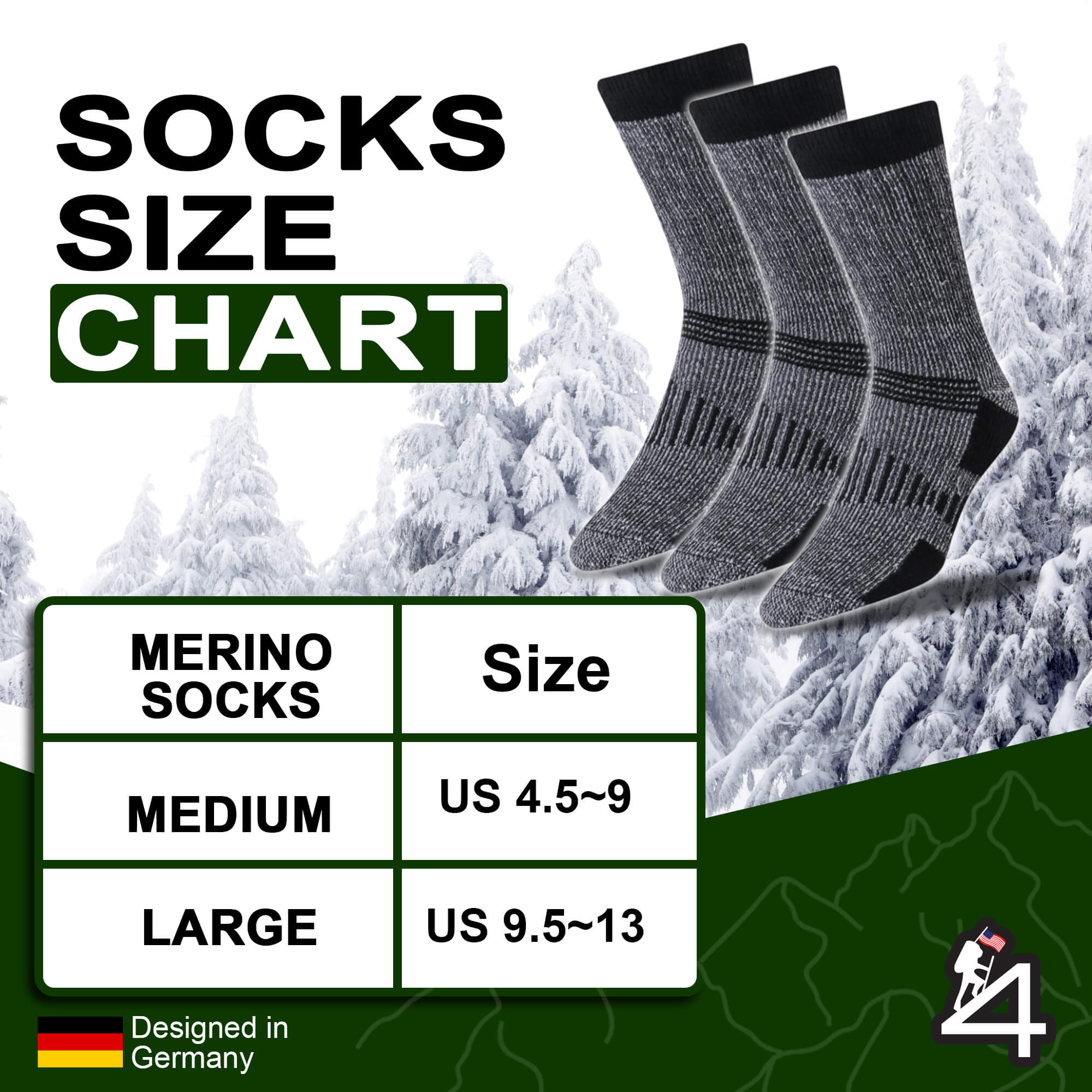
- Extra socks
- Blanket
- Waterproof outer layer
For winter driving, NHTSA specifically recommends carrying blankets, warm clothing, water, food, and other emergency supplies.
Don't rely on the assumption that you'll simply "wait for someone to come."
Weather can delay roadside assistance.
11. Add Seasonal Gear
Your emergency car kit shouldn't look exactly the same in July as it does in January.
Winter
Consider adding:
- Ice scraper
- Snow brush
- Small shovel
- Warm blanket
- Extra gloves
- Winter clothing
- Traction material
- Jumper cables or jump starter
Sand, salt, or non-clumping cat litter can also provide additional traction if your vehicle becomes stuck.
FEMA's winter preparedness guidance specifically recommends items such as jumper cables, sand, a flashlight, warm clothes, blankets, water, and non-perishable snacks for vehicles.
Summer
Hot weather creates different problems.
Consider carrying:
- Extra drinking water
- Lightweight clothing
- Sun protection
- Additional cooling supplies
- Rain protection depending on your location
Don't leave items in your car that can become dangerous or damaged by extreme heat.
12. Basic Tools
You don't need a full mechanic's toolbox.
A compact tool kit can handle many small problems and is useful even when it doesn't solve the underlying mechanical issue.
Consider:
- Screwdrivers
- Pliers
- Adjustable wrench
- Utility knife
- Duct tape
- Zip ties
- Basic sockets
- Work gloves
The goal isn't to rebuild your engine on the shoulder of the highway.
It's to have a few basic tools available for simple situations.
NHTSA recommends carrying basic repair tools and duct tape as part of an emergency roadside kit.
13. Duct Tape
Yes, duct tape deserves its own section.
It's cheap, compact, and useful for temporary fixes.
It won't magically repair a serious mechanical failure, but it can help secure loose parts, temporarily hold something in place, or make a temporary repair while you wait for proper assistance.
Keep a small roll in your kit.
You won't notice it taking up space.
Until the day you need it.
14. Tow Rope or Recovery Equipment
A tow rope can be useful if your vehicle gets stuck or needs to be moved under appropriate circumstances.
However, this is one area where you should know what you're doing.
Not every vehicle has suitable recovery points, and not every tow strap or rope is appropriate for every vehicle.
Check your vehicle's owner's manual and use recovery equipment according to its instructions.
Don't improvise a dangerous recovery because you're frustrated about being stuck.
15. Paper Maps
Most of us rely almost entirely on our phones for navigation.
That's fine—until your phone dies, loses signal, or becomes unusable.
A paper map of your local area or the areas you regularly travel through takes almost no space.
You don't need an entire atlas.
Even a basic regional map can be useful if your normal navigation method isn't available.
This is especially relevant if you spend time in rural areas where cellular coverage can be inconsistent.
16. Water-Resistant Lighting
A normal flashlight is useful.
But having equipment that can handle rain and rough outdoor conditions gives you another advantage.
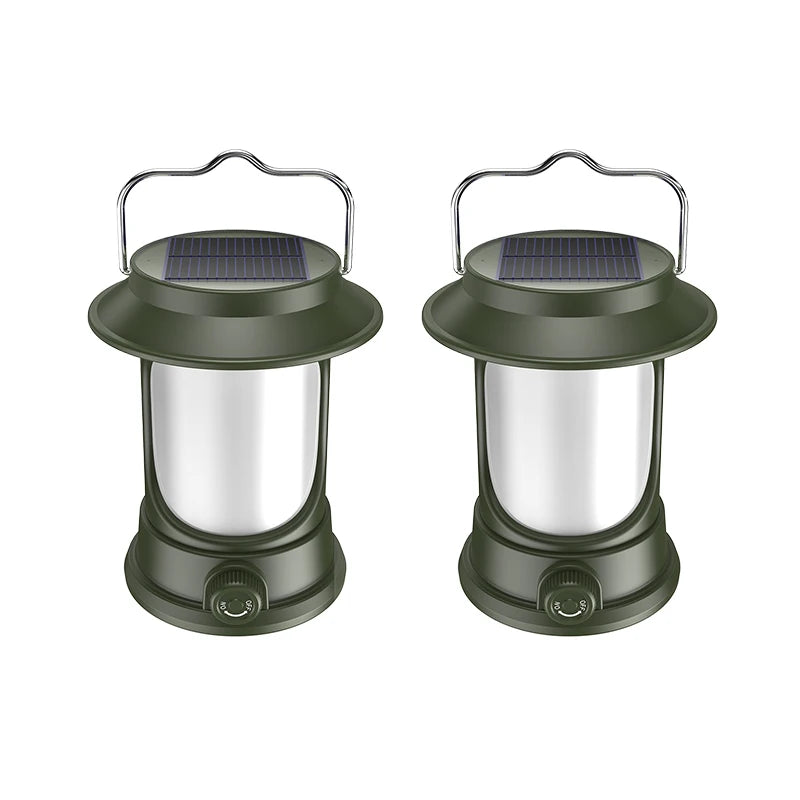
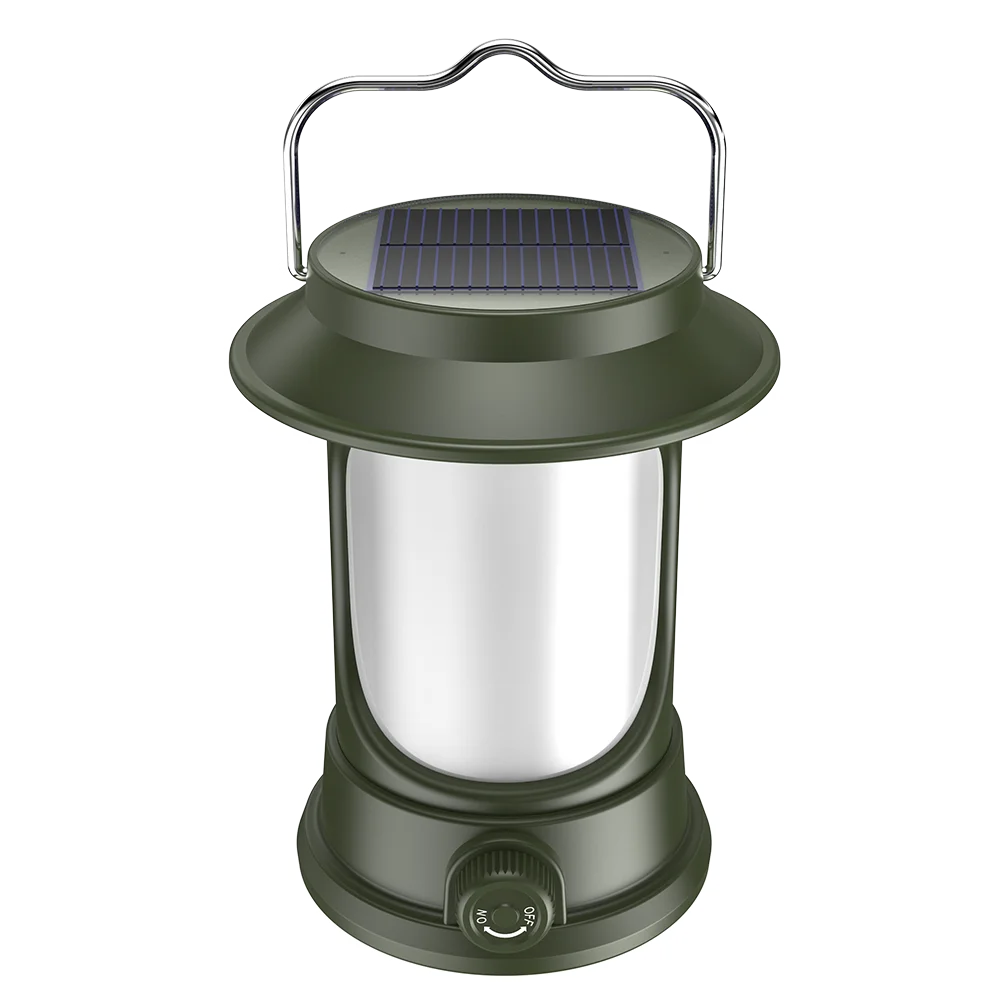
A rechargeable lantern can be particularly useful if you're waiting inside or around your vehicle for an extended period.
The Light4Future Rechargeable Waterproof Solar Lantern is designed for outdoor and emergency use and provides several lighting modes.
It can be charged via USB and also supports solar charging, giving you another option for keeping your lighting available when you're away from a conventional power source.
For a vehicle kit, a lantern and headlamp serve different purposes.
Headlamp: hands-free work and movement.
Lantern: broader area lighting while you're waiting or working around a vehicle.
17. Whistle
A whistle takes almost no space and requires no batteries.
If you ever need to attract attention from a distance, a whistle can be significantly louder and less exhausting than shouting.
It's a small item.
There's very little reason not to have one.
18. Cash
Don't assume that your phone or bank card will always work.
Keeping a small amount of emergency cash in your vehicle can be useful if you encounter a situation where electronic payments aren't available.
Keep it somewhere discreet and secure rather than advertising that you have cash in the car.
19. Basic Hygiene Supplies
These aren't the most exciting items in an emergency kit, but you'll appreciate them after a long roadside delay.
Consider:
- Tissues
- Wet wipes
- Hand sanitizer
- Paper towels
- Trash bags
- Toilet paper
- Small personal hygiene supplies
A few simple items can make an unpleasant situation considerably more manageable.
20. Important Personal Items
A generic emergency kit can't account for everyone's needs.
Think about the people who actually use your vehicle.
You may need additional supplies for:
- Children
- Pets
- Allergies
- Prescription medication
- Glasses or contact lenses
- Mobility requirements
- Regular long-distance driving
The National Safety Council recommends checking and replenishing vehicle emergency supplies regularly rather than simply throwing a kit in the trunk and forgetting about it.
What You Should NOT Keep in Your Car
Preparedness isn't about putting everything you own in your trunk.
Some things shouldn't be stored in a vehicle for long periods, particularly when exposed to extreme heat or cold.
Be careful with:
- Items that can melt
- Perishable food
- Temperature-sensitive medication
- Aerosol products
- Anything that could leak
- Equipment that can become dangerous when overheated
Check the storage instructions for individual products.
Your emergency kit should make your vehicle safer—not create another problem.
Where Should You Store Your Emergency Gear?
Organization matters.
If everything is thrown into the trunk, finding one small item during an emergency can become frustrating.
A better setup is to divide your equipment into categories.
Grab-and-go items
Keep these easy to access:
- Flashlight
- Headlamp
- Phone charger
- First aid kit
- Reflective vest
- Emergency blanket
Roadside equipment
Store these together:
- Jumper cables
- Tire equipment
- Jack
- Tools
- Gloves
- Tow rope
- Tire inflator
Food and water
Keep these together so you can quickly check what needs replacing.
Seasonal equipment
Swap winter and summer gear as the weather changes.
This also gives you a good opportunity to inspect the entire kit.
How Often Should You Check Your Emergency Car Kit?
Don't build your emergency kit once and forget about it.
Check it periodically.
A simple seasonal check works well:
Spring: Replace winter gear and check batteries.
Summer: Check water, food, electronics, and heat-sensitive items.
Fall: Put winter equipment back in the vehicle.
Winter: Check blankets, warm clothing, traction equipment, and battery condition.
Also check your kit after every situation where you actually use something.
A missing flashlight battery isn't a problem today.
It could become a problem six months from now.
The 15-Minute Emergency Car Kit
If you're starting from zero, don't overcomplicate it.
Put these items in your car first:
☐ Phone charging cable
☐ High-capacity power bank
☐ Flashlight or headlamp
☐ First aid kit
☐ Drinking water
☐ Non-perishable snacks
☐ Jumper cables or jump starter
☐ Tire pressure gauge
☐ Jack and lug wrench
☐ Work gloves
☐ Emergency blanket
☐ Reflective vest
☐ Warning equipment
☐ Basic tool kit
☐ Duct tape
☐ Paper map
☐ Whistle
☐ Cash
☐ Seasonal clothing
☐ Ice scraper/shovel where appropriate
You can build from there.
The important thing is to actually put the kit in your vehicle.
Why Your Car Is Part of Your Emergency Plan
Your vehicle isn't just transportation.
When something goes wrong away from home, it can become your shelter, your communication point, your source of stored supplies, and the place where you wait for assistance.
That's why a few pounds of carefully chosen equipment can be worth far more than a trunk full of random gadgets.
You don't need to prepare for every possible disaster.
Prepare for the things that are reasonably likely to happen where you live and drive.
Flat tire.
Dead battery.
Bad weather.
Unexpected delay.
Road closure.
Getting stuck.
And then add a little extra capacity for the situations you can't predict.
Final Emergency Car Kit Checklist
Before your next long drive, ask yourself:
If my car stopped working right now, could I safely deal with the next few hours?
Could you call for help?
Could you see in the dark?
Could you stay warm?
Could you drink something?
Could you deal with a flat tire?
Could you make yourself visible?
Could you keep your phone alive?
If the answer to those questions is yes, you're already much better prepared than most drivers.
You don't need a military truck.
You don't need a garage full of equipment.
You just need the right things in the right place before something goes wrong.
Because an emergency kit isn't about expecting the worst.
It's about making sure a bad situation doesn't become a much bigger one.