If you had only 2 minutes to leave your home… what would you grab?
The power suddenly goes out. Your phone battery is nearly empty. Outside you hear sirens, and your emergency app warns you of a regional evacuation.
You have two minutes.
Most people hesitate because they’re not prepared.
A 72-hour emergency bag solves that.
This guide shows you how to build a compact, realistic, and affordable emergency kit — all for under $100, with items you can find anywhere.
Why 72 Hours Matter
Emergency services recommend planning for 3 days where you may need to rely on yourself for:
-
Water
-
Light
-
Food
-
Power
-
Basic medical needs
-
Tools and essentials
This list keeps things minimal, lightweight, and cost-effective — ideal for beginners, city residents, and small apartments.
Build Your 72-Hour Emergency Bag (Under $100)
All items fit into a regular backpack and are easy to pack.
1. Water Essentials — $6–$8
-
Two small water bottles
-
Water purification tablets
Lightweight and space-saving, especially compared to carrying liters of water.
2. Simple Food Supply — $11–$15
Choose foods that last and don’t require cooking:
-
Protein bars
-
Canned tuna or beans
-
Instant noodles
-
Nuts or dried fruit
A small amount gets you through the most critical 72 hours.
3. Reliable Power Source — $20–$30
Power keeps your phone alive for communication, maps, and emergencies.
Options include:
-
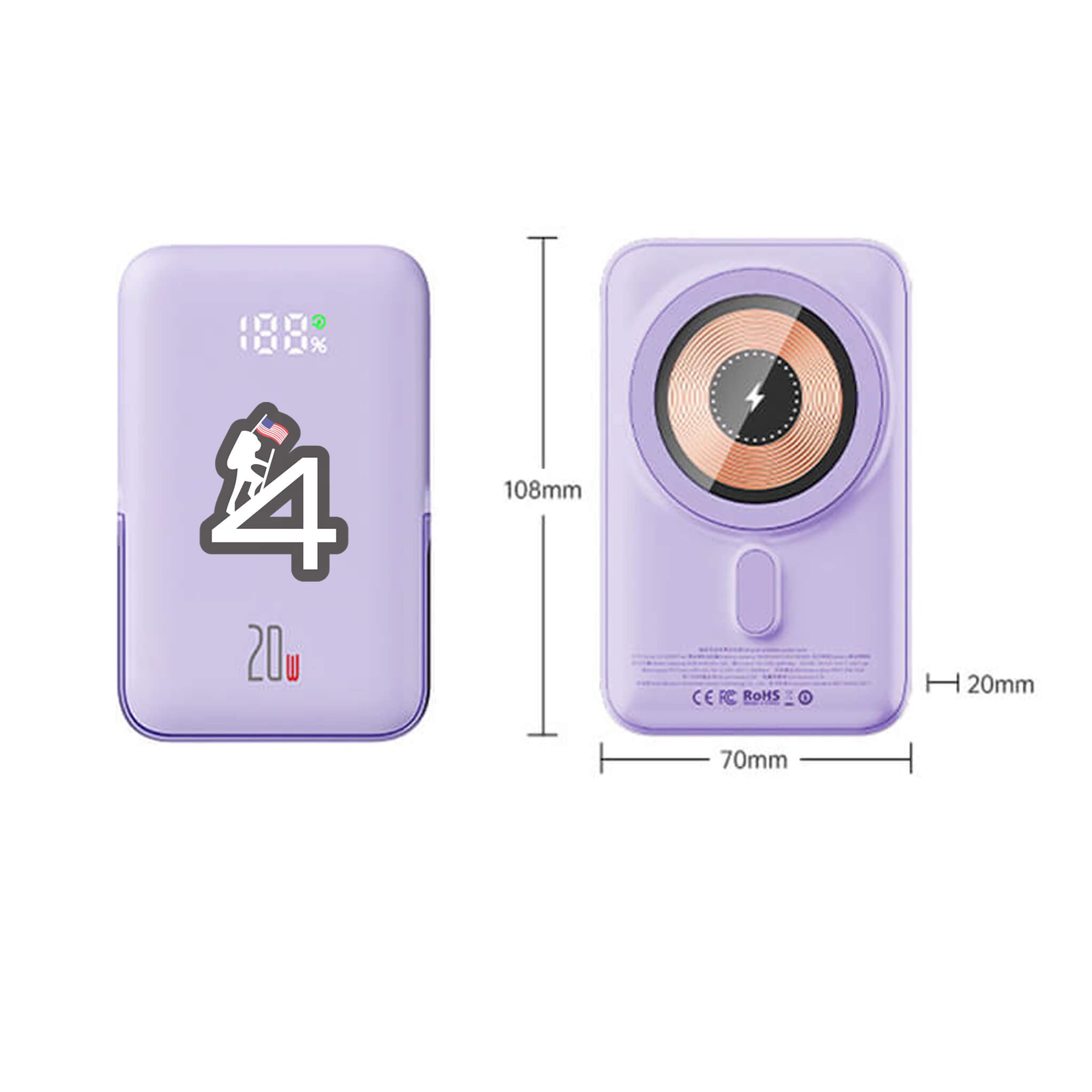
A basic, inexpensive power bank
-
Or, if you want stronger off-grid reliability, a solar model
A great upgrade option is the V2 Solar Powerbank 50,000 mAh:
👉 https://survival4future.com/products/v2-solar-powerbank-50-000-mah
This is optional, depending on your preparedness level.
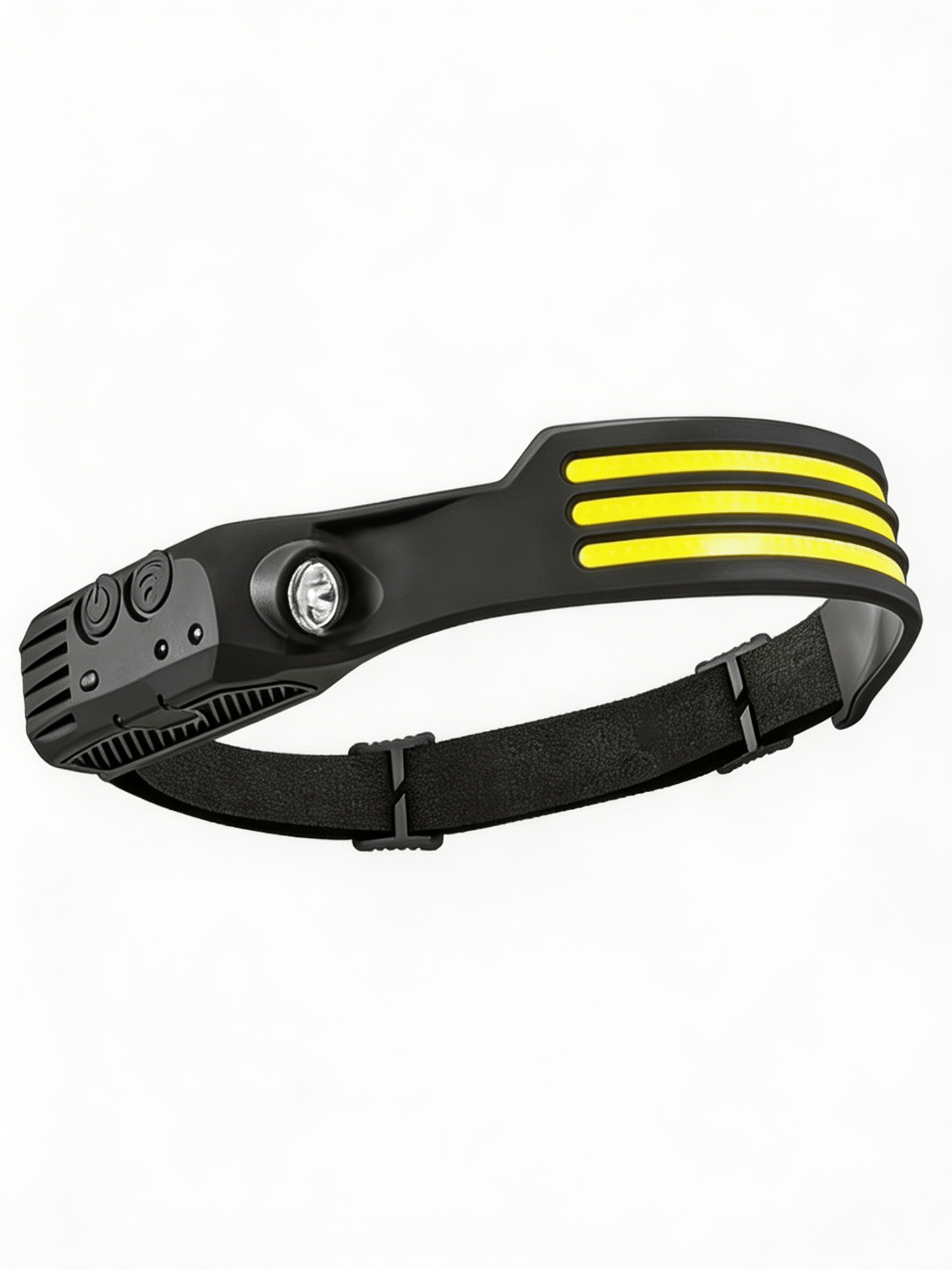
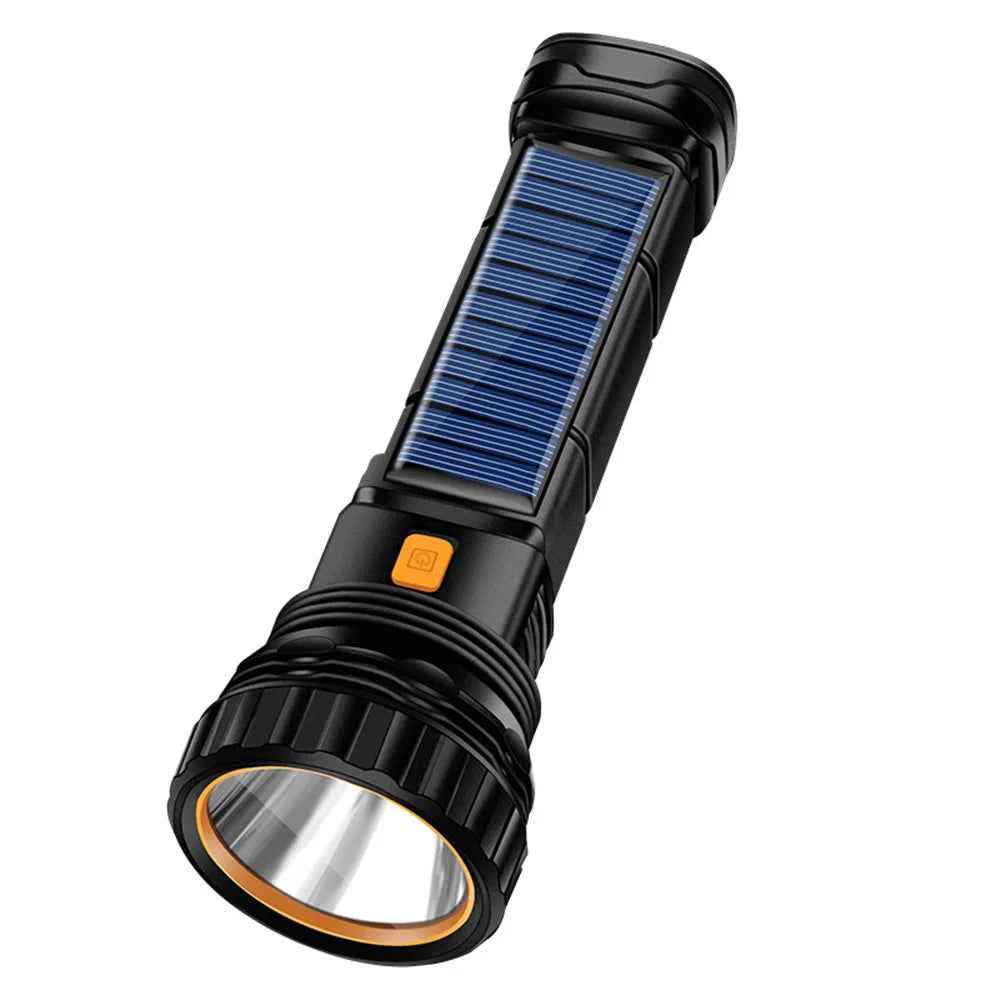
4. Light & Visibility — $6–$10
Low-cost, compact options include:
-
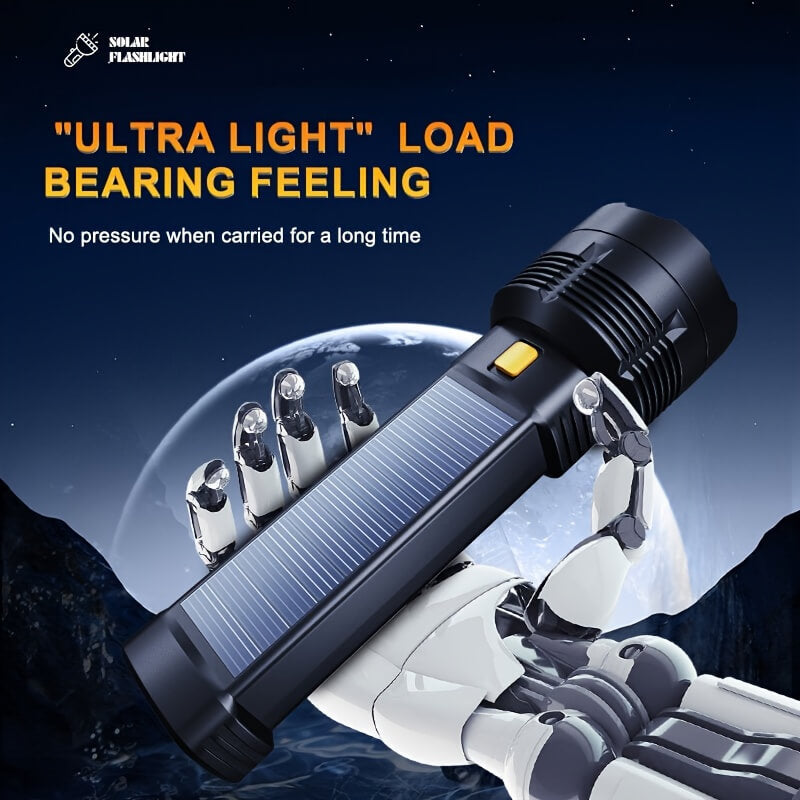
Mini LED flashlight
-
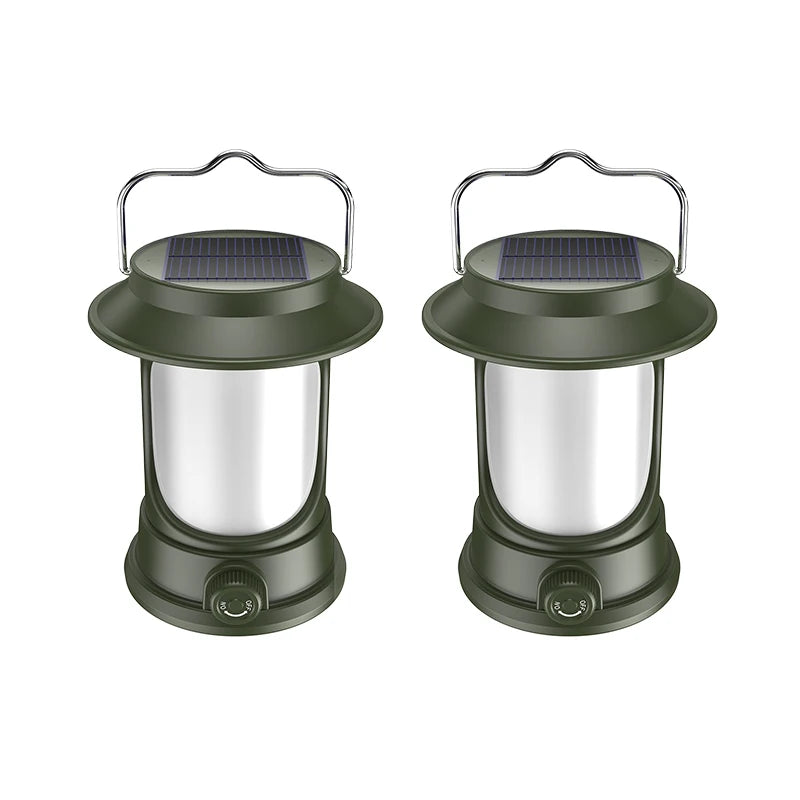
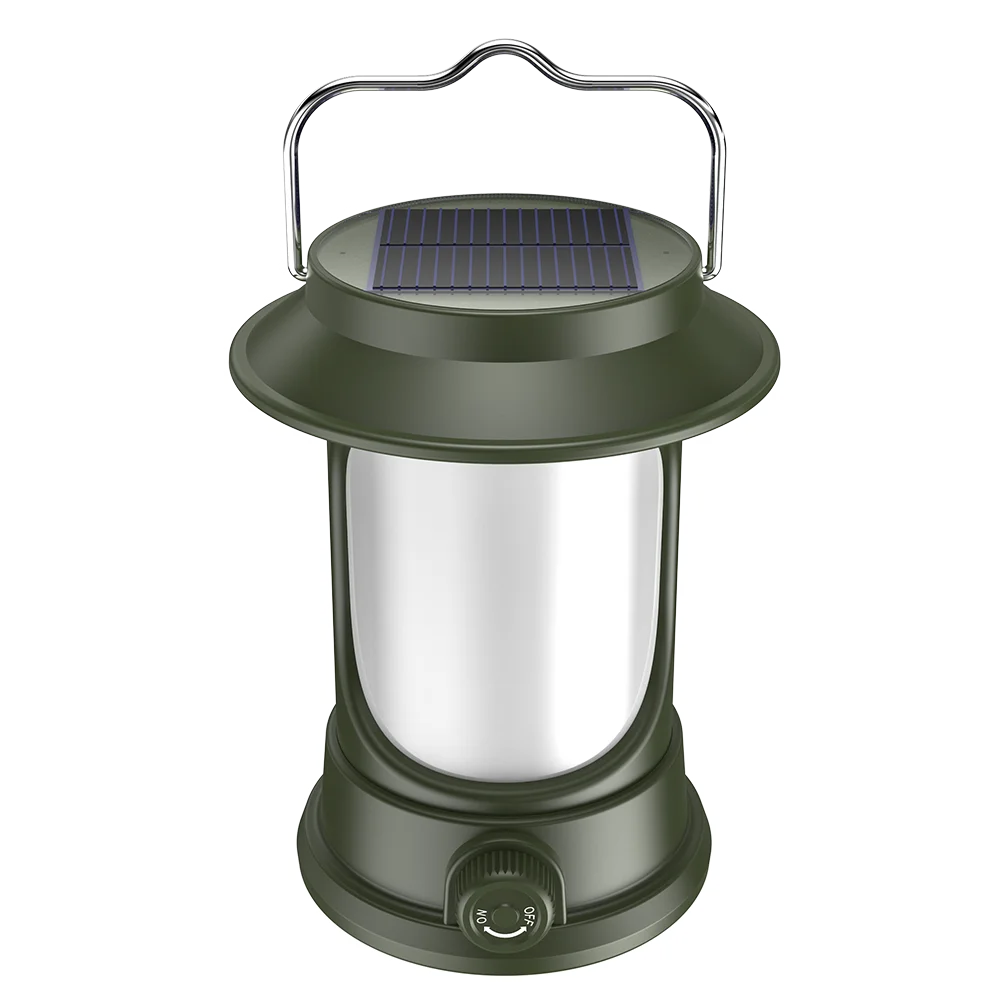
USB camp lantern
-
Clip-on emergency light
Essential for navigating in darkness or during blackouts.
5. Shelter & Warmth — $6–$10
You don’t need a tent. Instead pack:
-
1–2 thermal emergency blankets
They are ultra-light, take almost no space, and protect you from wind and cold.
6. Mini First Aid Kit — $6–$8
Keep it simple:
-
Adhesive bandages
-
Small roll of bandage
-
Disinfecting wipes
-
Pain relievers
A micro kit is enough for short-term emergencies.
7. Tools & Multi-Use Items — $10–$15
Multi-purpose items save space and money.
Examples include:
-
Multi-tool
-
Lighter
-
Duct tape (wrapped around a pen to save room)
-
Whistle
-
Small notebook + pencil
Estimated Total Cost: $65–$96
Stays under $100 with standard items.
If you choose the V2 Solar Powerbank at $79.95, the total will be higher — but you gain long-term power independence.
Think of it as an optional upgrade, not a requirement.
How to Pack Your Go-Bag (Smart Layout)
Top Layer
-
Water
-
Snacks
-
Flashlight
-
Phone
-
Power bank
Middle Layer
-
Tools
-
First aid kit
-
Hygiene items
Bottom Layer
-
Spare clothing
-
Food cans
-
Thermal blankets
Side Pockets
-
Lighter
-
Whistle
-
Multi-tool
Front Pocket
-
Copy of ID
-
Emergency contact card
-
$20–$50 cash
Why This Setup Works
This simple bag covers your key needs in the most common scenarios:
-
Power outages
-
Flooding
-
Fires
-
Storms
-
Regional evacuations
-
Car breakdowns
-
Unexpected overnight situations
All without needing expensive or bulky gear.
Start Building Your Emergency Bag Today
Preparation isn’t complicated — it just has to be done.
Small steps now can make an enormous difference when time is short.
If you want a long-lasting, off-grid power option for your emergency bag, explore the V2 Solar Powerbank 50,000 mAh here:
👉 https://survival4future.com/products/v2-solar-powerbank-50-000-mah
Explore More Survival Gear
Want to see all products that fit perfectly into a 72-hour emergency bag?
Browse the full collection here:
👉 https://survival4future.com/collections/all
Stay prepared. Stay safe.
Survival4Future