Stop Guessing. Start Choosing the Right Spot.
A great trip starts before you leave home.
Most people pick a location fast.
They scroll, click, and hope for the best.
Sometimes it works.
Often, it doesn’t.
The result?
- crowded campsites
- poor trails
- limited views
- unnecessary stress
Good locations are not luck.
They are chosen.
The Problem: Too Many Options, Not Enough Clarity
In 2026, finding camping and hiking spots feels easy.
Apps, maps, and reviews are everywhere.
But more options create a new problem:
decision overload
People rely on:
- top-rated spots
- social media recommendations
- trending locations
These often lead to the same outcome:
overcrowded experiences
You arrive and find:
- packed parking lots
- noisy campsites
- worn-down trails
The trip feels rushed.
Not what you planned.
The Agitation: The Wrong Spot Ruins the Experience
Location controls everything.
A poor choice affects:
- sleep quality
- energy levels
- safety
- enjoyment
Common mistakes include:
- choosing distance over comfort
- ignoring terrain difficulty
- underestimating weather exposure
- skipping basic research
A beautiful location on photos can feel completely different in reality.
Too exposed. Too busy. Too hard to access.
You spend more time adapting than enjoying.
The Solution: A Simple System to Find the Right Spot
You don’t need more apps.
You need a clear selection system.
Use these five criteria every time.
1. Define Your Goal First
Start with purpose.
Ask:
- Do I want relaxation or challenge?
- Short trip or multi-day stay?
- Hiking focus or campsite comfort?
Your goal filters your options.
Without it, everything looks right.
2. Choose the Right Distance
Distance shapes your experience.
- 1–2 hours → quick trips, low effort
- 3–5 hours → deeper nature, fewer crowds
Longer trips require more planning.
Short trips need convenience.
Match distance to your available time.
3. Check Terrain and Trail Type
Not all trails are equal.
Look at:
- elevation gain
- trail length
- surface type
Flat trails suit beginners.
Steep terrain requires preparation.
Also check campsite terrain:
- flat ground
- wind protection
- natural shade
Comfort starts with the ground you sleep on.
4. Look for Water and Shade
Water improves every trip.
It allows:
- cooking
- cleaning
- cooling
Even if you carry water, access adds flexibility.
Shade matters just as much.
It reduces heat and improves rest.
Tree cover is always a plus.
5. Avoid the Crowds
Most people follow the same path.
You don’t have to.
Simple strategies:
- visit during weekdays
- start early in the morning
- choose less popular trailheads
Even near cities, quiet spots exist.
You just need to look slightly further.
Build a Personal Spot List
Don’t start from zero every time.
Create a shortlist of reliable locations.
Track:
- travel time
- difficulty level
- best seasons
- personal experience
Over time, this becomes your biggest advantage.
You always know where to go.
Gear Check: Stay Comfortable and Efficient Anywhere
The right spot matters.
But gear decides how smooth your trip feels.
Focus on lightweight, reliable essentials.
Solar Charger Integration
Solar chargers provide simple, renewable energy.
Use them to:
- charge your phone
- power small devices
- support navigation tools
They work best during breaks or at camp.
Place them in direct sunlight.
Even compact models make a difference.
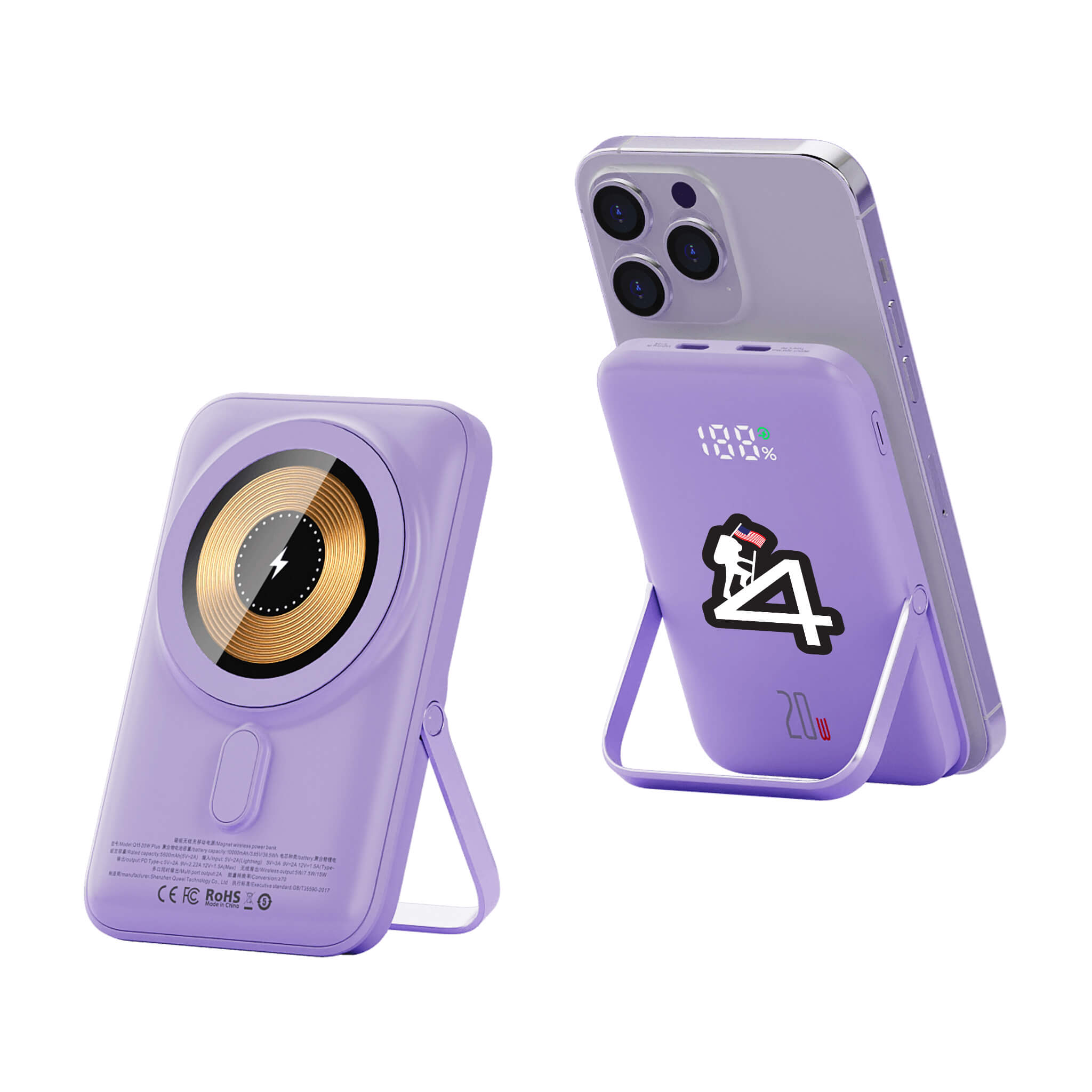
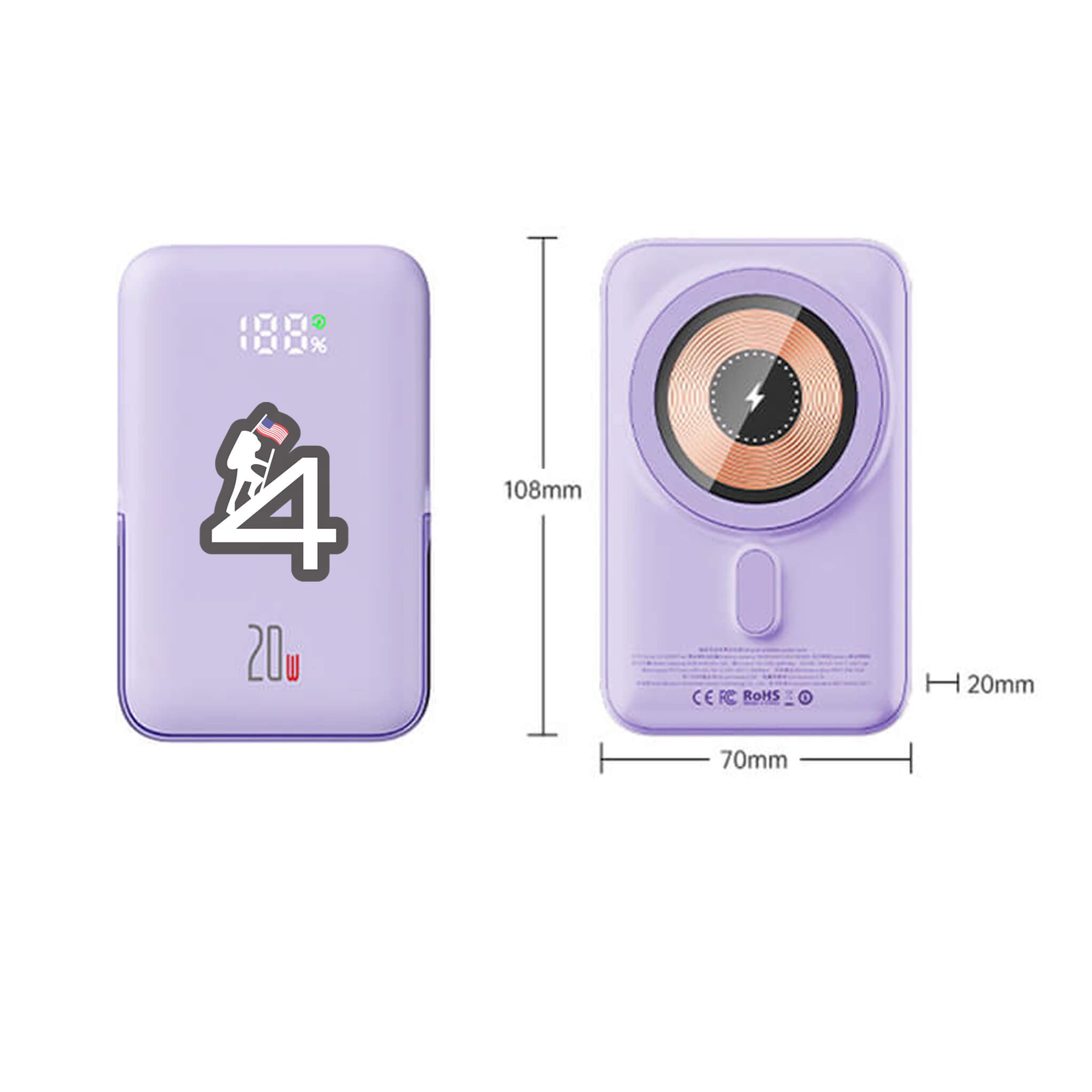
Power Bank Capacity
Power banks give you flexibility.
Recommended setup:
- 20,000 mAh for day trips
- 30,000–50,000 mAh for multi-day trips
They keep devices running:
- GPS
- smartphone
- headlamp
Charge before departure.
Use efficiently during the trip.
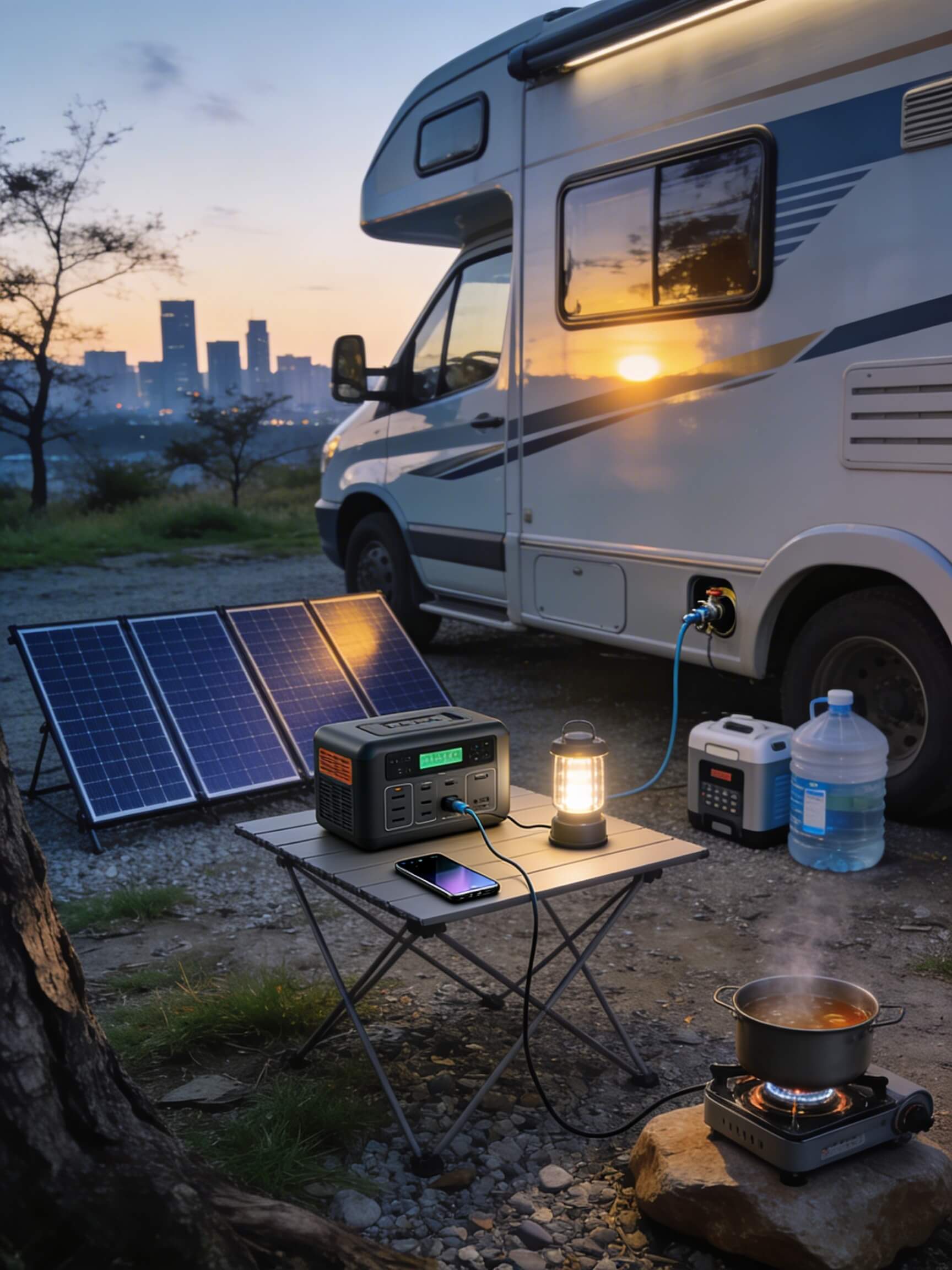
Mobile Energy Independence
You don’t need complex systems.
Just combine:
- one solar charger
- one or two power banks
This setup supports most outdoor needs.
It removes dependence on fixed power sources.
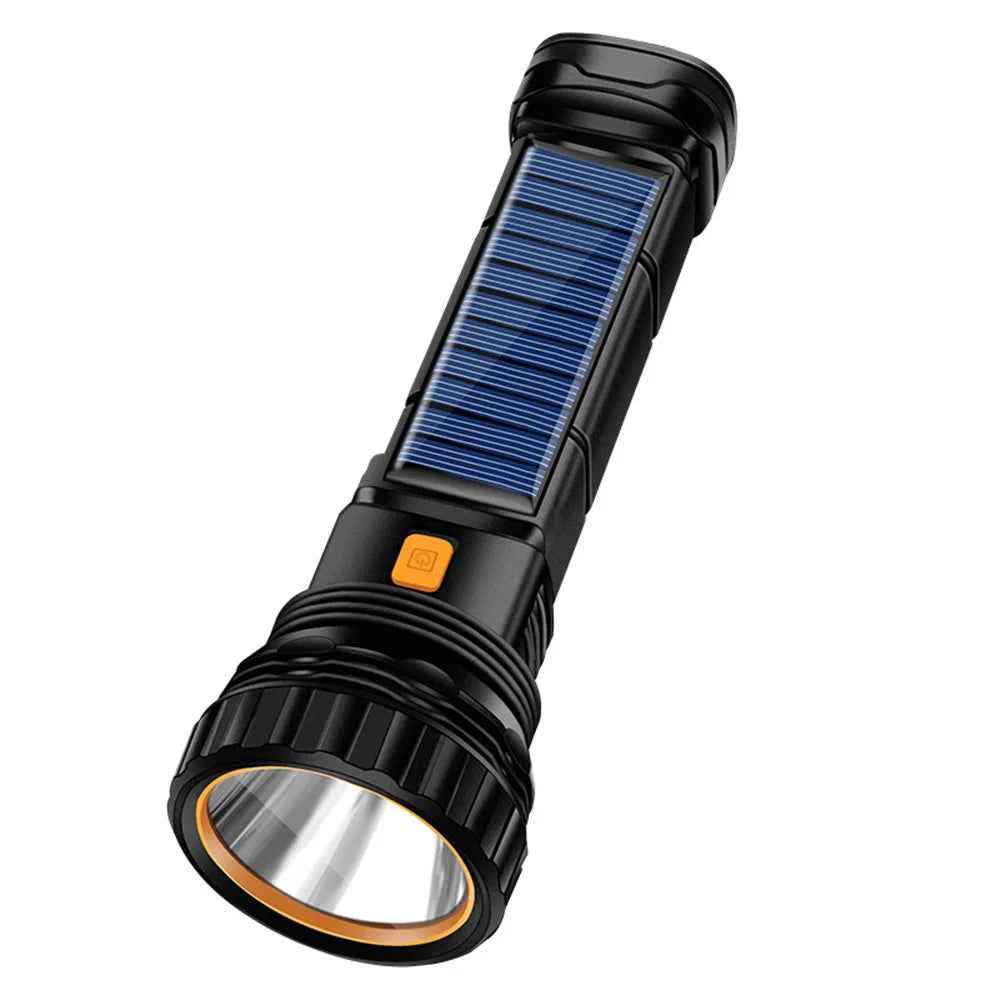
Lightweight Lighting
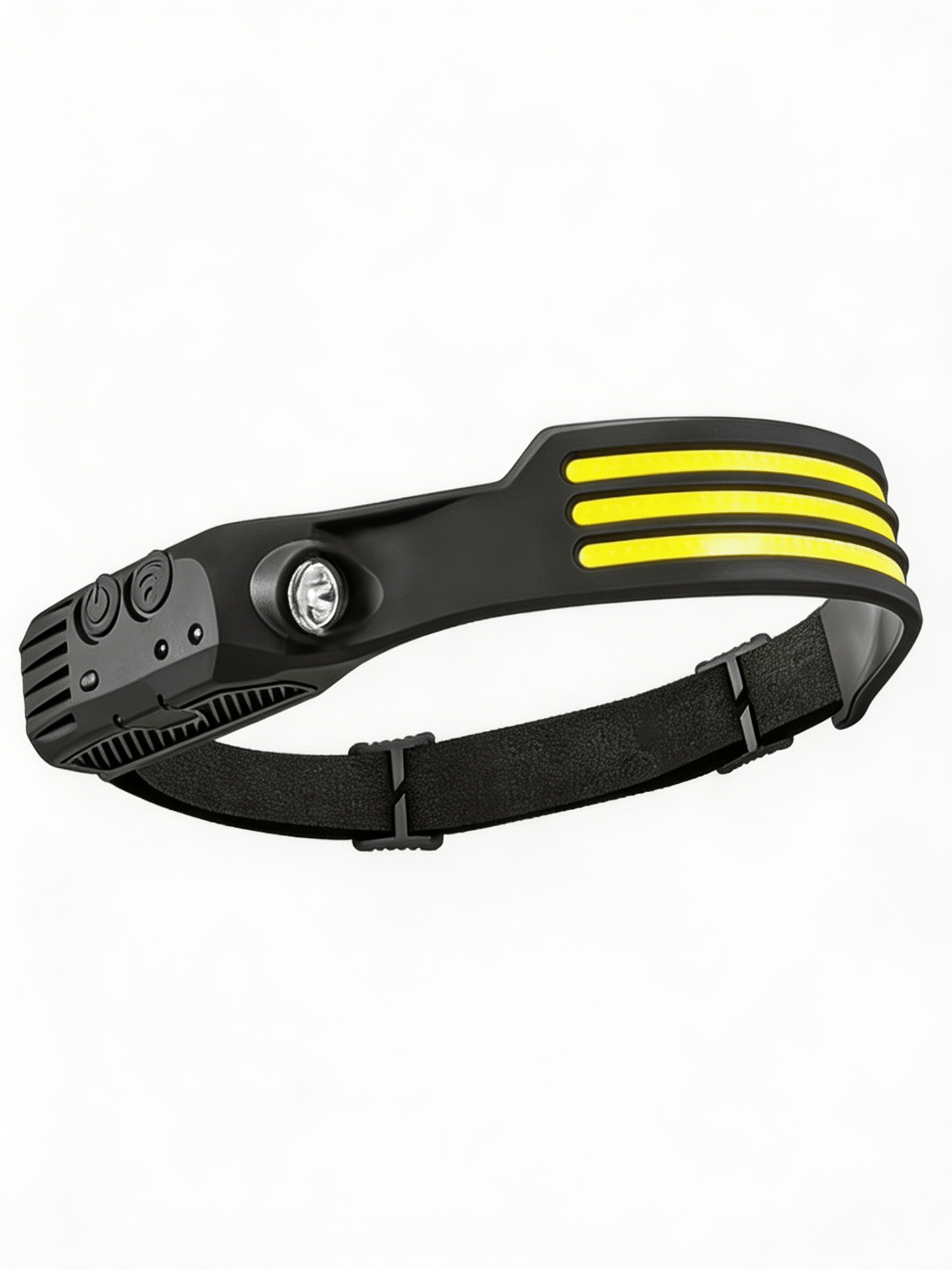
Use LED headlamps.
They are:
- compact
- efficient
- hands-free
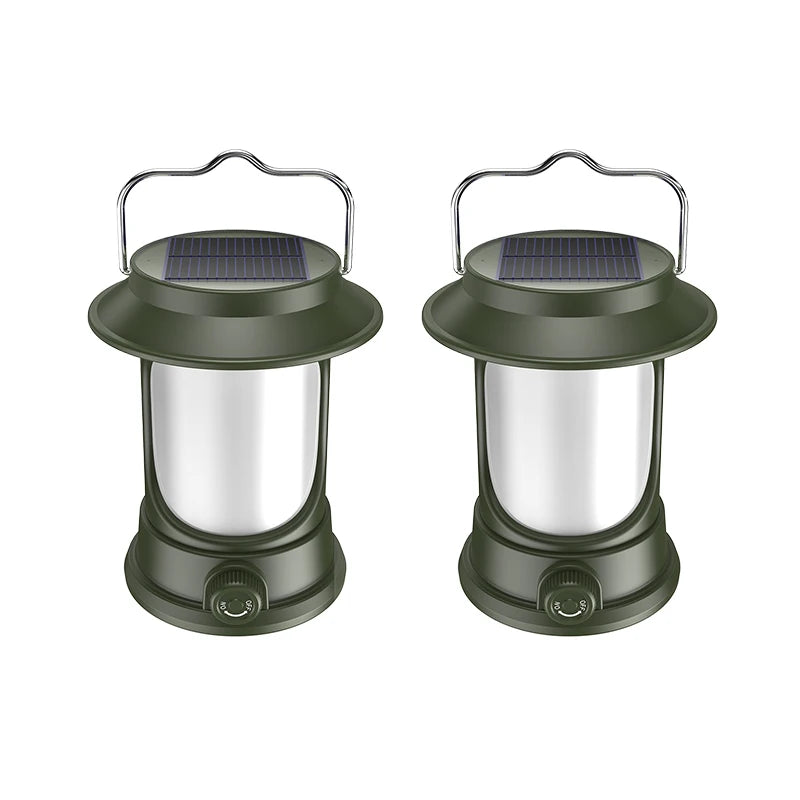
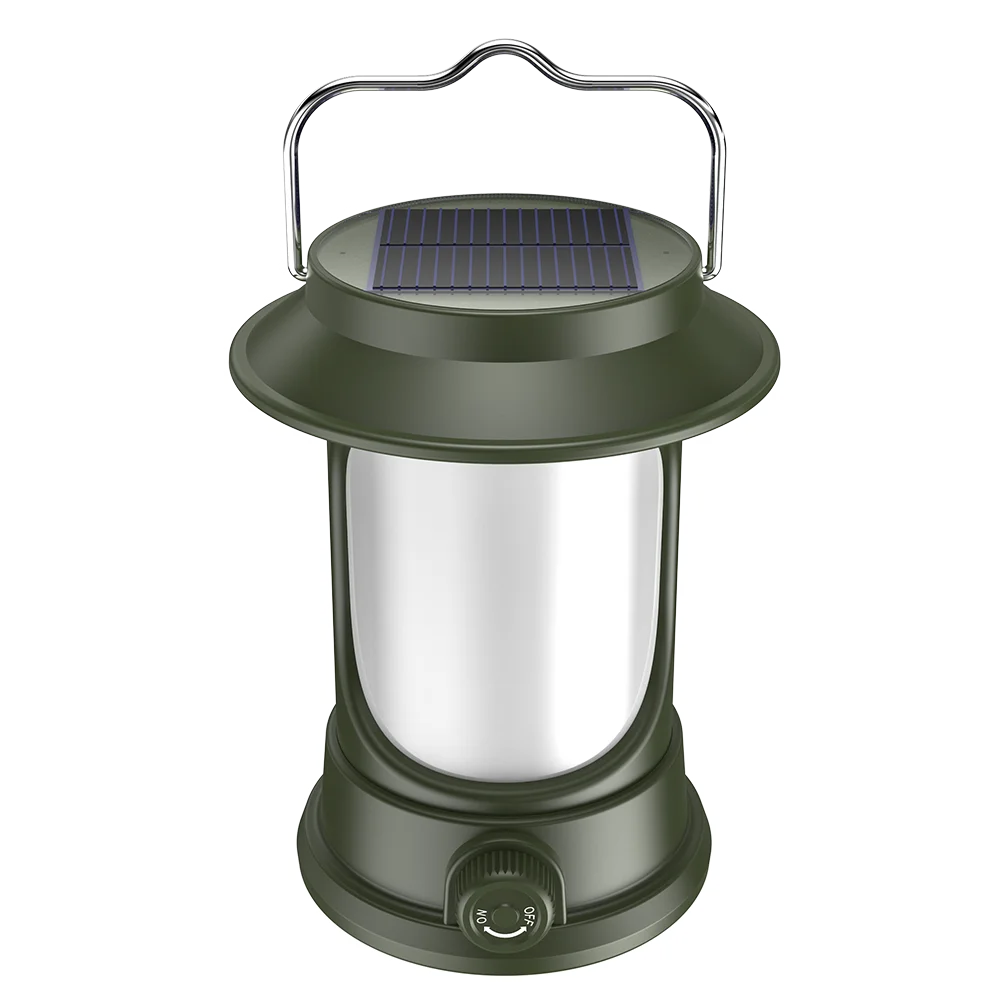
A small lantern adds comfort at camp.
Both use minimal energy.
Water Management
Always plan water.
Options include:
- carrying enough for the trip
- using portable filters
Filters allow longer stays.
They reduce weight.
Compact Cooking Setup
Keep cooking simple.
Use:
- small gas stove
- lightweight cookware
This saves time and effort.
It also keeps your pack manageable.
The Real Advantage: Experience Builds Better Trips
The best spots are not found once.
They are refined over time.
Each trip teaches something:
- what worked
- what didn’t
- what to adjust
You improve your system.
Trips become smoother.
Less stress. More enjoyment.
FAQ
How do I avoid crowded camping spots?
Go early, visit on weekdays, and avoid trending locations. Small changes reduce crowd exposure.
What’s the best way to find new hiking areas?
Use maps and satellite views. Then visit and verify in person.
How much gear do I really need?
Only essentials. Focus on water, light, and energy. Keep your setup simple.
Final Thought
A great outdoor trip is not complicated.
It comes down to two things:
the right spot and the right setup
You don’t need perfect conditions.
You need a system that works every time.
Choose your location with intent.
Pack gear that supports your plan.
Everything else becomes easier.