The Quiet Advantage of Mobility
City life runs on systems. Power grids. Logistics. Digital payments.
When everything works, urban living feels effortless.
But the last few years showed something important. Systems can pause. Power can fail. Deliveries can stop.
Urban survivalists know this reality. Preparation is not panic. It is planning.
In 2026, one preparedness tool is gaining attention again: RV camping.
Not as a vacation trend.
As a practical resilience strategy.
An RV offers something rare in modern cities:
Mobility and energy independence.
The Problem: Why 2026 Feels Different
Many urban preppers focus on supplies inside the apartment.
Food storage. Emergency lights. Backup batteries.
These are essential. But they solve only one problem: staying put.
What happens when staying put becomes difficult?
Consider common urban disruptions:
-
multi-day power outages
-
infrastructure failures
-
heat waves stressing energy grids
-
temporary evacuations
Cities depend on constant electricity.
No power means:
-
elevators stop
-
water pressure drops
-
payment systems fail
-
communication weakens
Prepared people need flexibility.
A second option.
A mobile fallback.
This is where RV camping becomes more than recreation.
The Agitation: Urban Dependence Is Increasing
Most cities now operate with minimal buffers.
Supermarkets store only a few days of food.
Energy grids run close to capacity during peak demand.
Transportation relies on digital systems.
During a blackout, the first 24 hours feel manageable.
After 48 hours, conditions change.
-
fuel lines form
-
grocery shelves empty
-
phone batteries die
Prepared urban survivalists ask a simple question:
Where can I operate independently if needed?
An RV answers that question.
The Solution: RV Camping as a Preparedness Strategy
An RV is not a bunker.
It is something more flexible.
It provides four major advantages.
1. Mobility
You are not locked to one location.
If one area experiences outages or restrictions, you move.
Mobility gives options.
Options reduce stress.
2. Independent Shelter
Apartments rely on shared infrastructure.
RVs provide self-contained shelter:
-
sleeping space
-
kitchen
-
water storage
-
power systems
You control your environment.
3. Energy Control
Modern RV setups can operate with minimal external power.
Solar charging systems, batteries, and efficient appliances create a small independent grid.
This is especially useful during grid instability.
4. Practice Through Camping
Preparedness improves with practice.
RV camping allows you to test systems under real conditions.
You learn:
-
energy consumption
-
water usage
-
equipment reliability
These lessons matter more than theory.
Gear Check: Building a Mobile Preparedness Setup
A preparedness-focused RV setup does not require extreme equipment.
It requires reliable energy and efficient gear.
Start with the essentials.
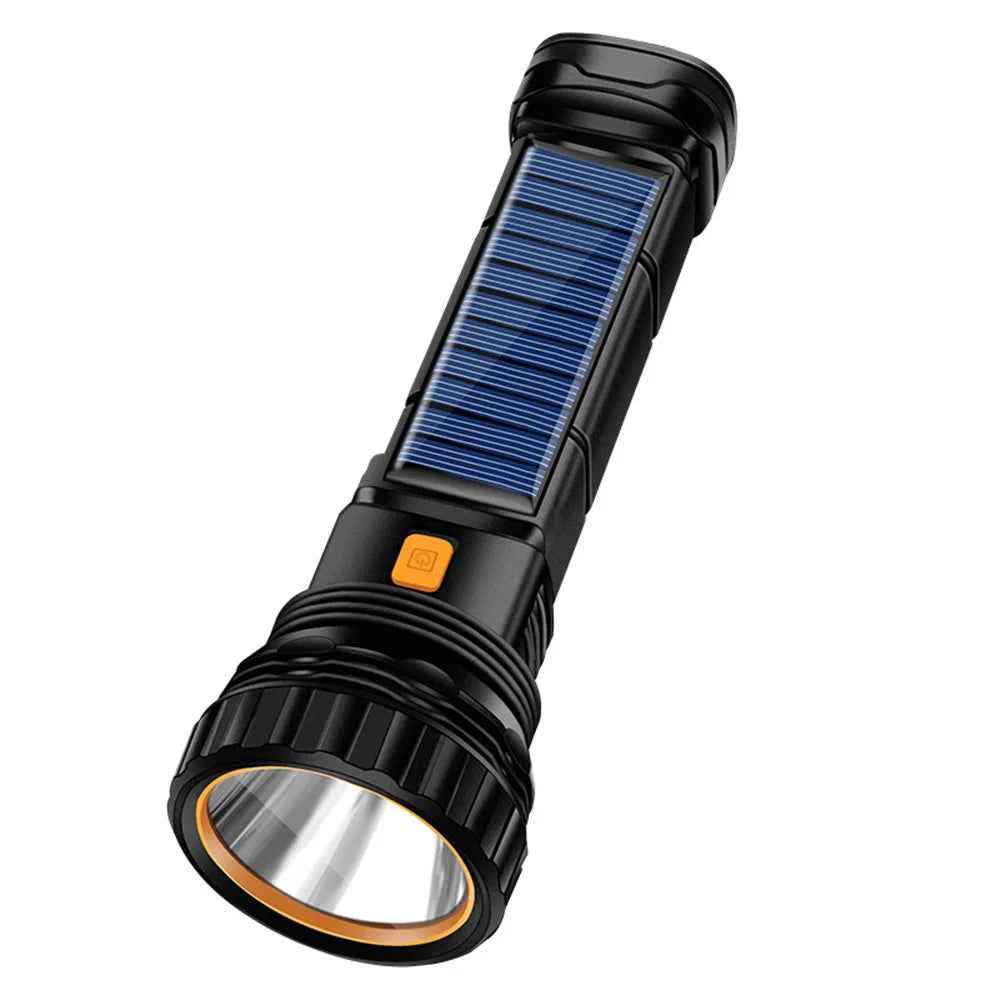
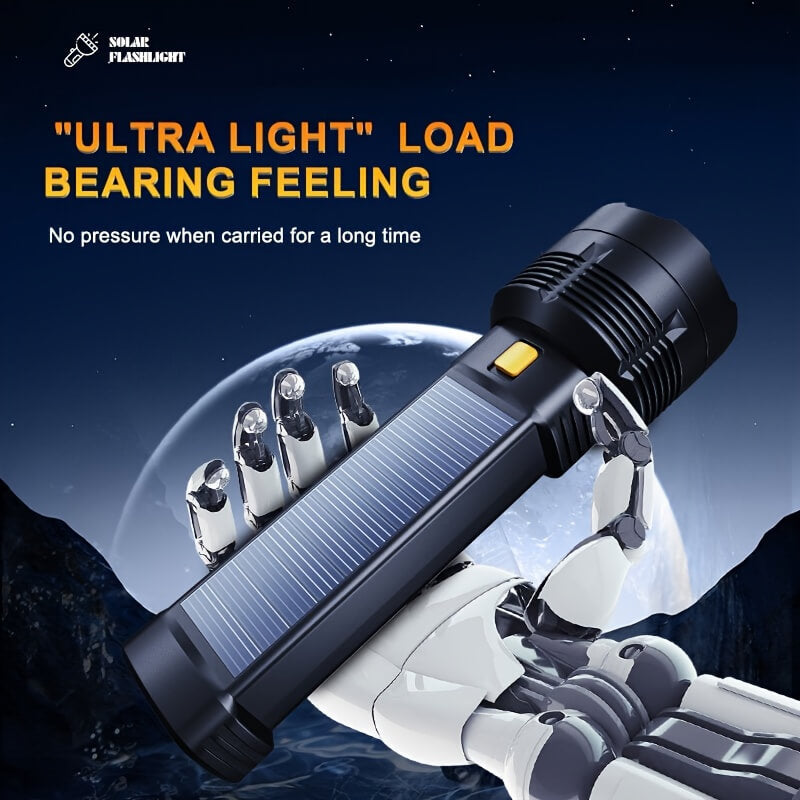
Solar Charging System
Solar energy creates silent, renewable power.
Modern portable solar panels are compact and effective.
Key advantages:
-
works during outages
-
no fuel required
-
charges batteries during daylight
A small solar array can maintain daily essentials.
Phones. Lights. Communication devices.
For urban survivalists, solar charging adds true independence.
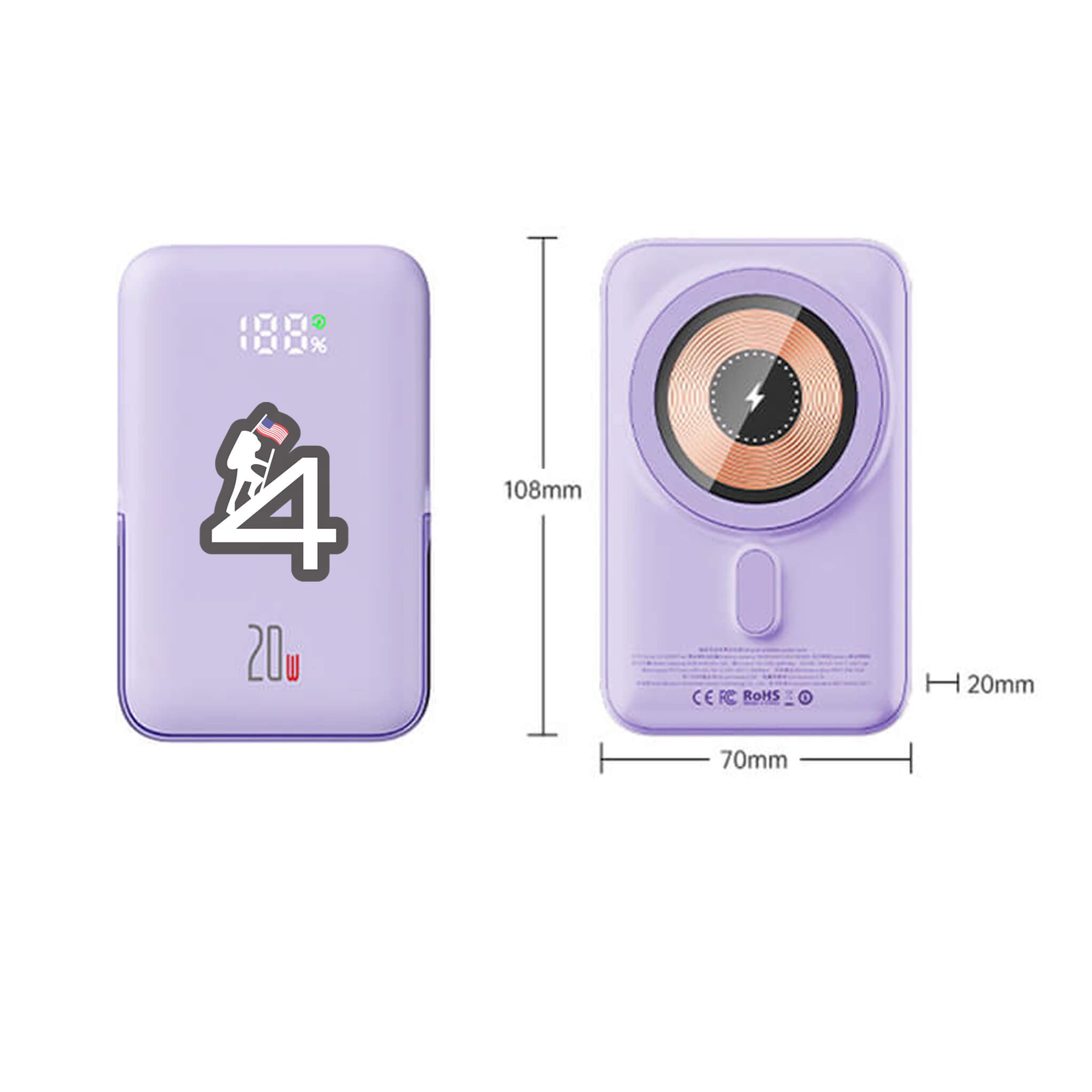
High-Capacity Power Banks
Power banks act as your energy buffer.
They store electricity for night use or cloudy days.
Recommended capacities:
-
20,000 mAh for basic device charging
-
50,000 mAh+ for extended off-grid use
Power banks keep critical gear alive:
-
smartphones
-
radios
-
navigation devices
-
LED lighting
Multiple smaller banks often outperform one large unit.
They distribute risk.
Solar Charger Integration
Portable solar chargers complement larger panels.
They charge devices directly during daylight.
Benefits include:
-
lightweight design
-
easy deployment anywhere
-
backup charging capability
Even small solar chargers maintain communication devices during outages.
That alone makes them valuable.
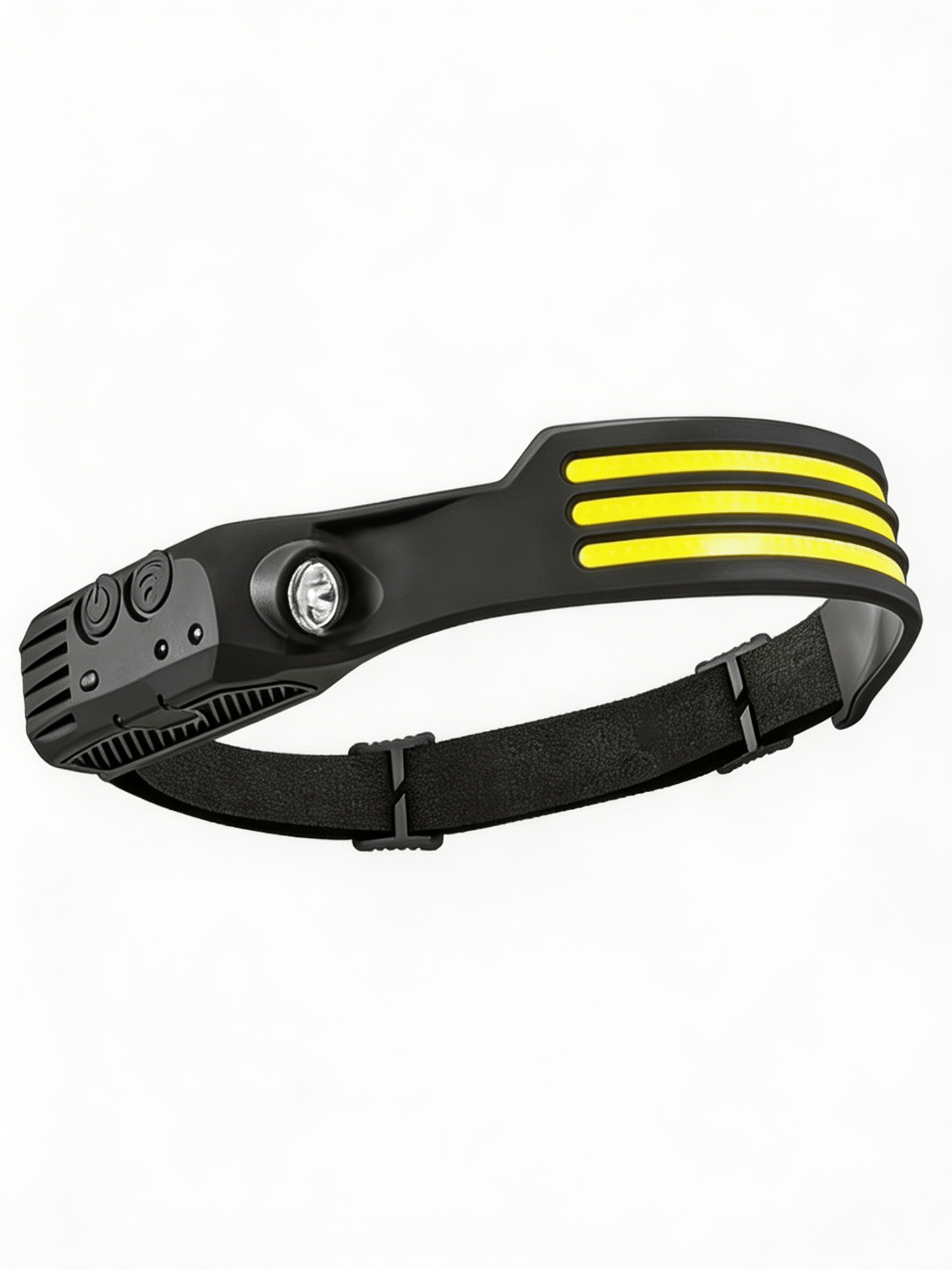
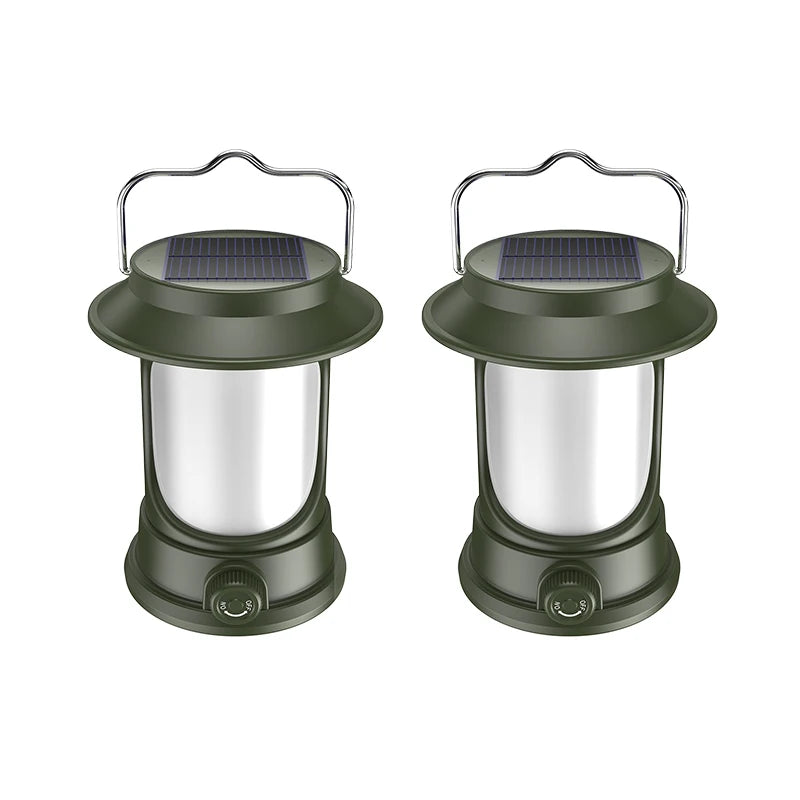
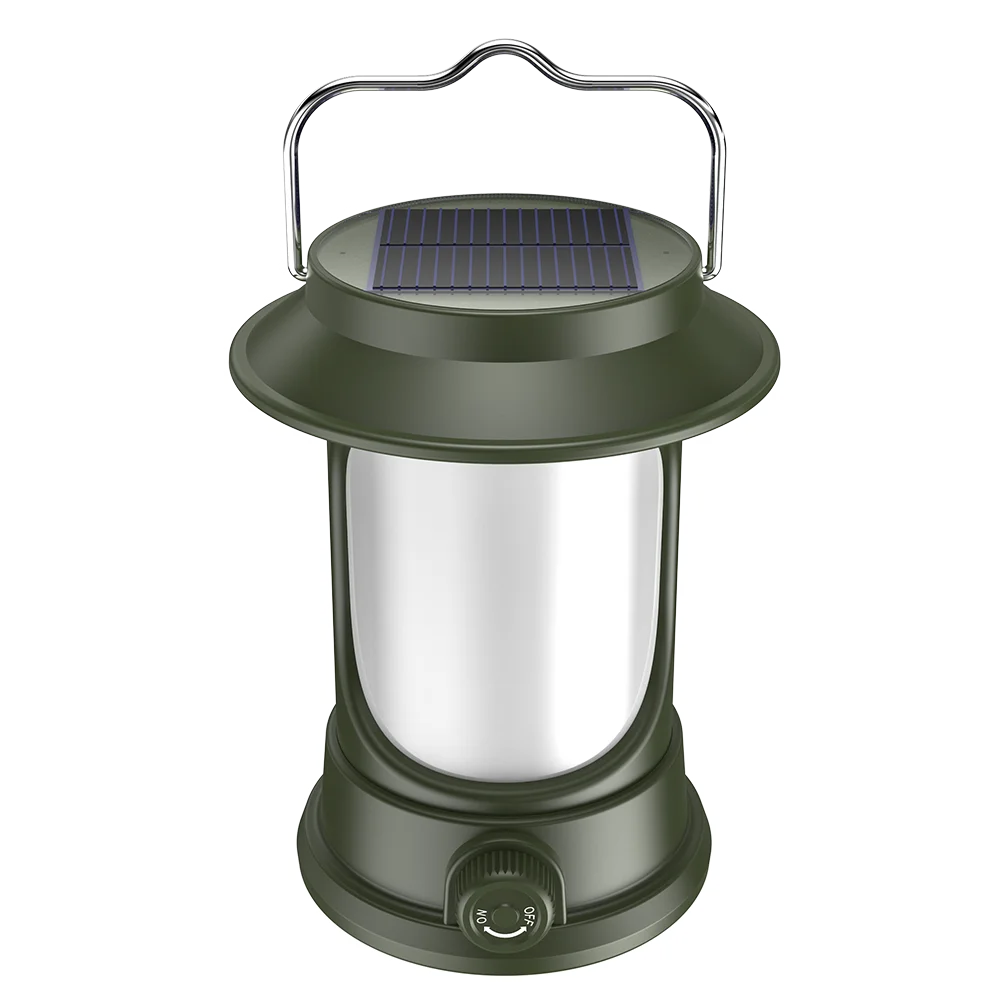
Efficient Lighting
Lighting consumes little energy but provides major comfort.
Use rechargeable LED lanterns and headlamps.
They provide:
-
safe movement at night
-
low power consumption
-
long runtimes
Many models recharge via USB or solar.
Water Storage and Filtration
Water matters more than electricity.
A basic RV system should include:
-
water storage tanks
-
portable filtration system
-
refill containers
Filtration allows you to safely use natural sources when needed.
This expands mobility significantly.
Compact Cooking Equipment
Electric cooking drains batteries quickly.
Instead, carry a compact gas stove.
Advantages include:
-
fast heating
-
minimal energy draw
-
reliable operation
Food preparation becomes simple and predictable.
The Hidden Benefit: Mental Readiness
Preparedness is not only physical.
It is psychological.
Many people freeze when systems fail.
Prepared individuals remain calm.
Why?
They already tested their solutions.
RV camping builds this confidence naturally.
You learn to operate without constant infrastructure.
Lights off? No problem.
Power grid down? You have alternatives.
This calm mindset is one of the most valuable survival assets.
FAQ
Is RV camping realistic for urban preppers?
Yes. Even occasional trips build experience and readiness. You learn energy and supply management.
Is a solar charger really useful during a blackout?
Yes. Portable solar chargers generate power without fuel or grid access.
Even small panels can recharge phones and power banks during daylight. This keeps communication running when electricity is unavailable.
FINAL Thoughts
Preparedness in 2026 is not about extreme scenarios.
It is about maintaining independence when systems pause.
Urban survivalists understand this principle.
Food storage helps.
Backup power helps.
But mobility adds another layer of resilience.
RV camping combines practice, flexibility, and real-world readiness.
You learn skills while enjoying the outdoors.
And if disruption happens, you already know how to operate independently.
Preparation does not need to feel dramatic.
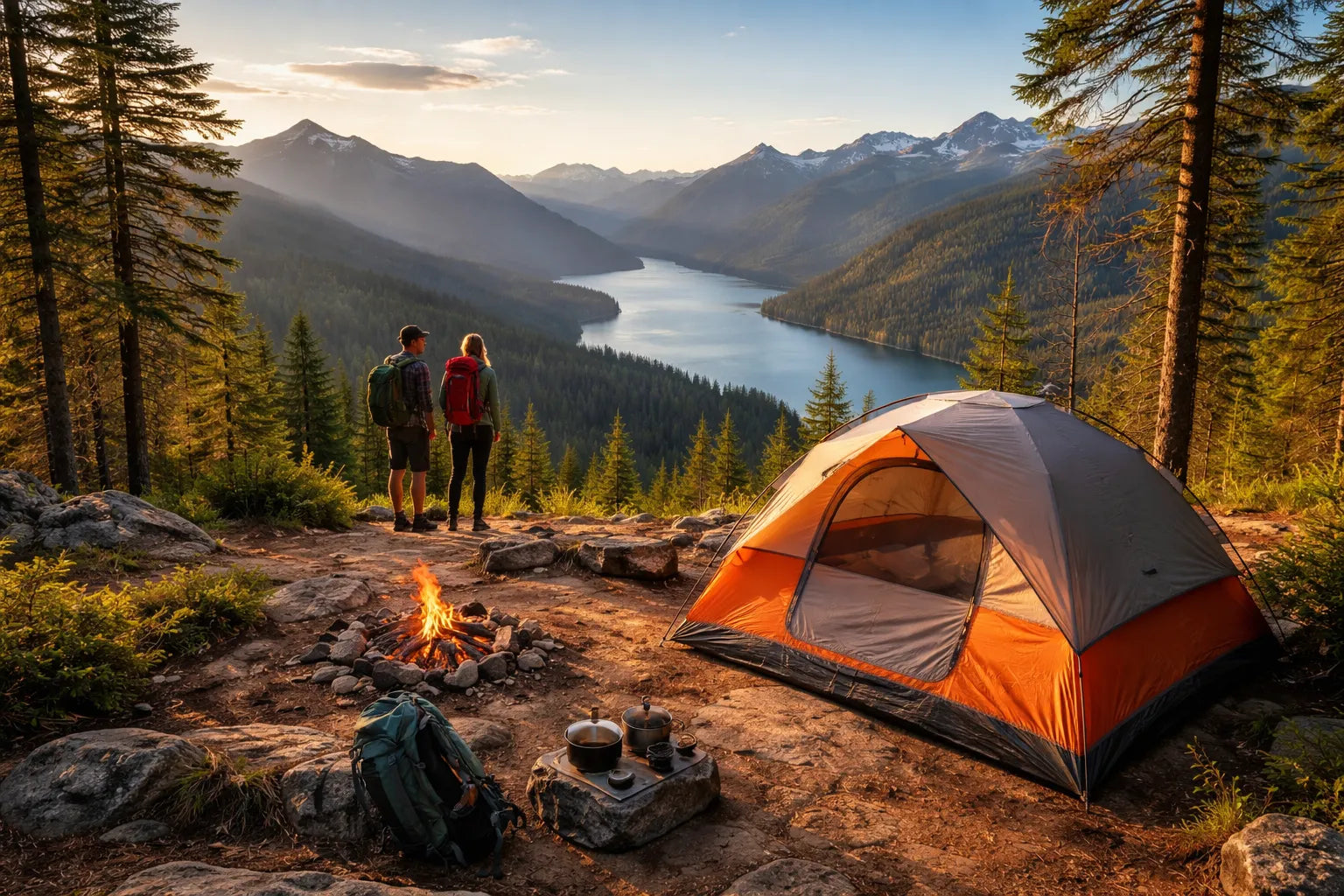
Sometimes it looks like a quiet campsite, a solar panel in the sun, and a power bank quietly charging your devices.