Power outages are becoming more common across the United States, and recent data shows the problem is growing worldwide.
In recent years, the average time Americans spend without electricity has nearly doubled compared to just a few years ago. Severe storms, extreme weather, and aging infrastructure are leaving more households without power for longer periods.
Many underestimate how quickly modern life stops without electricity. During a blackout you may lose:
-
Lighting
-
Refrigeration
-
Phone charging
-
Heating or cooling
-
Internet access
-
Running water (in some homes)
For survival-minded individuals, a power outage is not just an inconvenience — it's a real preparedness scenario.
Even a 24-hour outage can create serious problems if you're not ready.
Step 1: Build a Reliable Lighting System
When the power goes out, darkness becomes your first challenge.
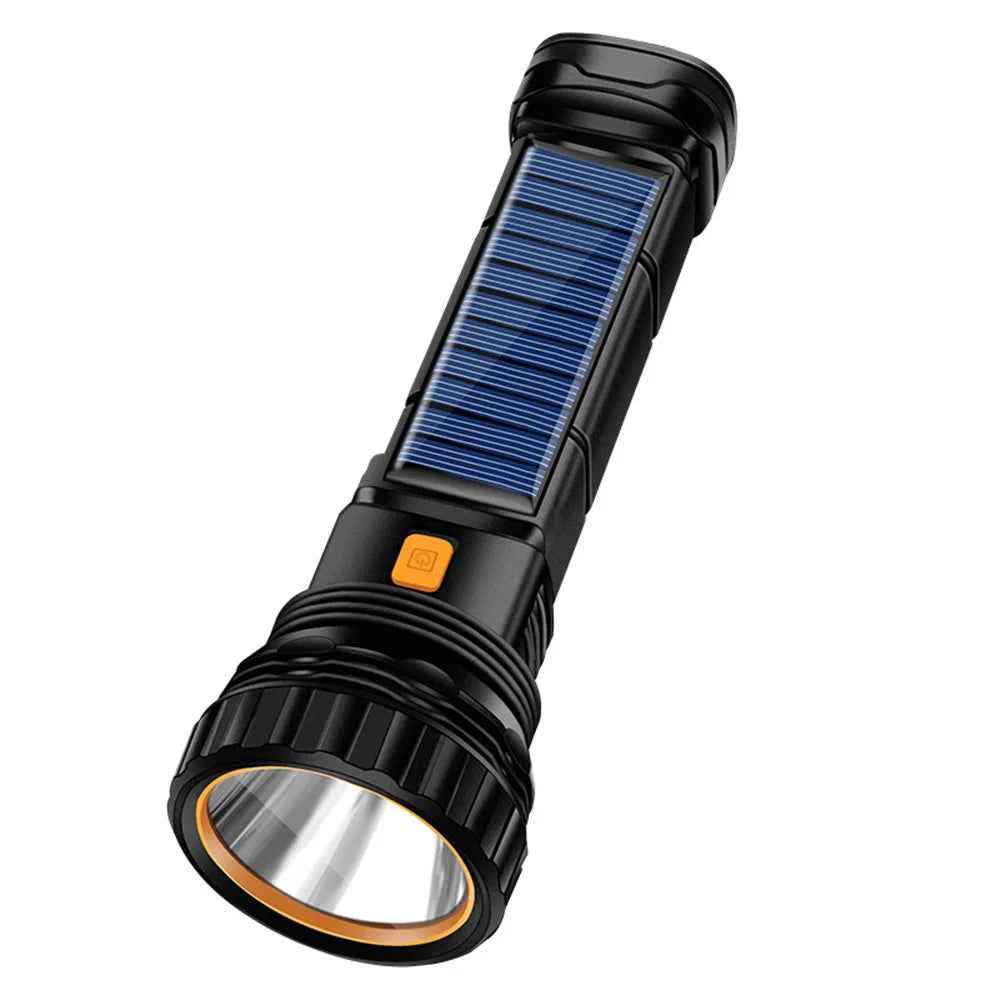
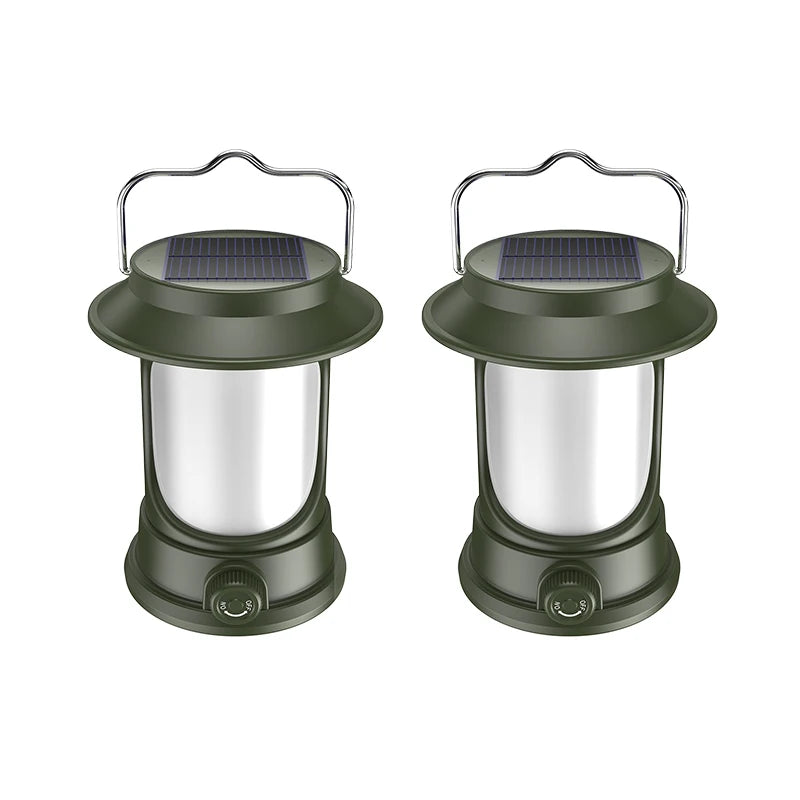
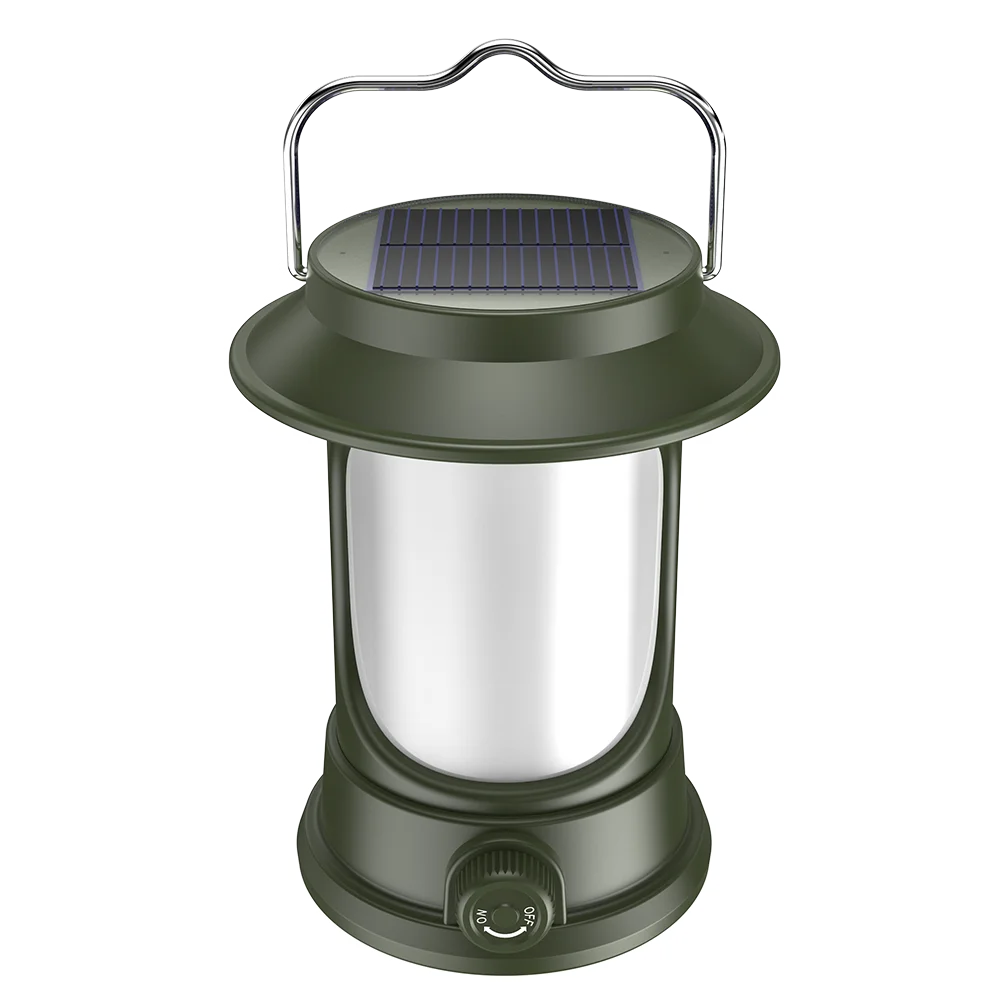
You should have multiple independent light sources, such as:
-
LED lanterns
-
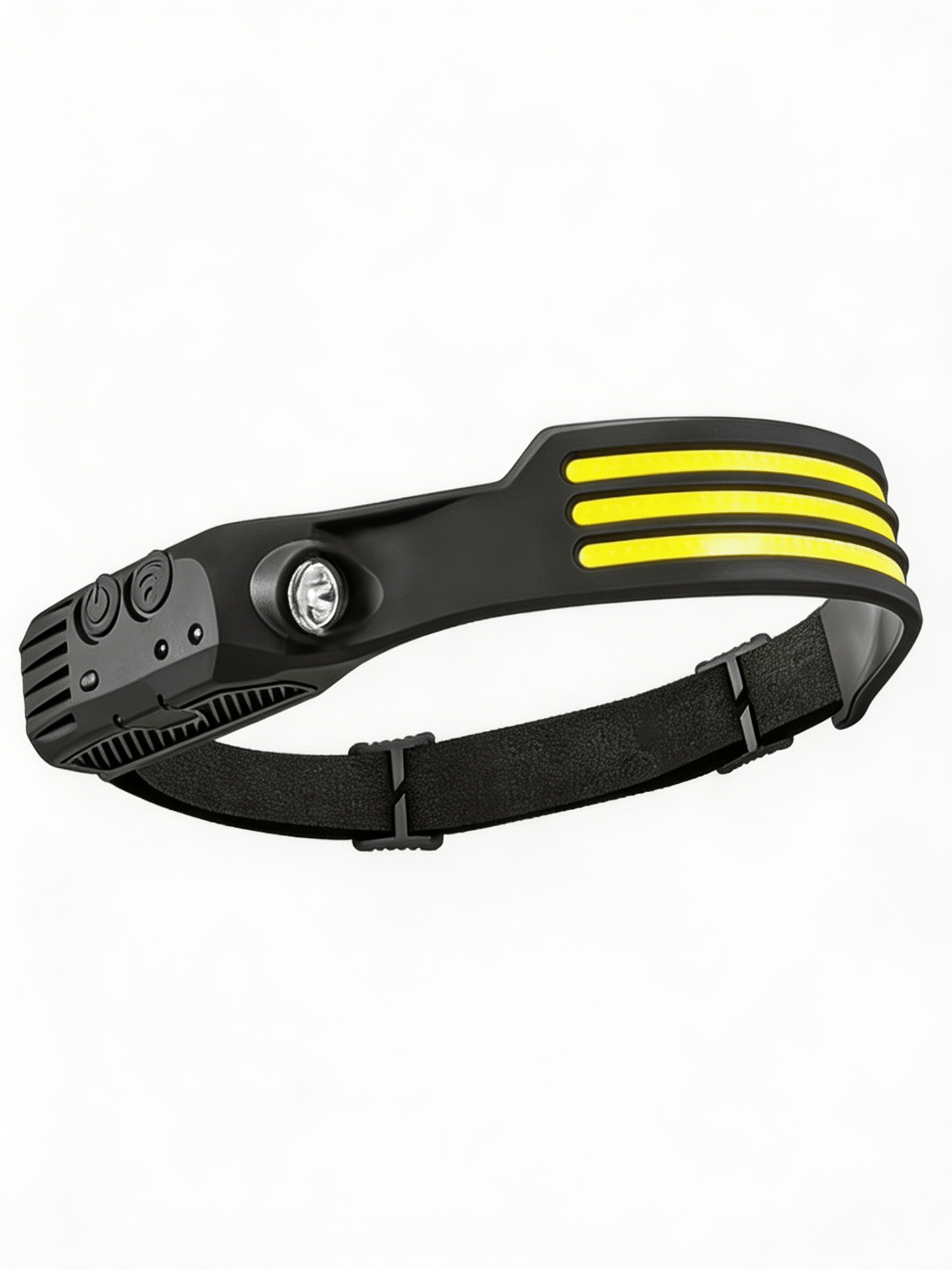
Headlamps
-
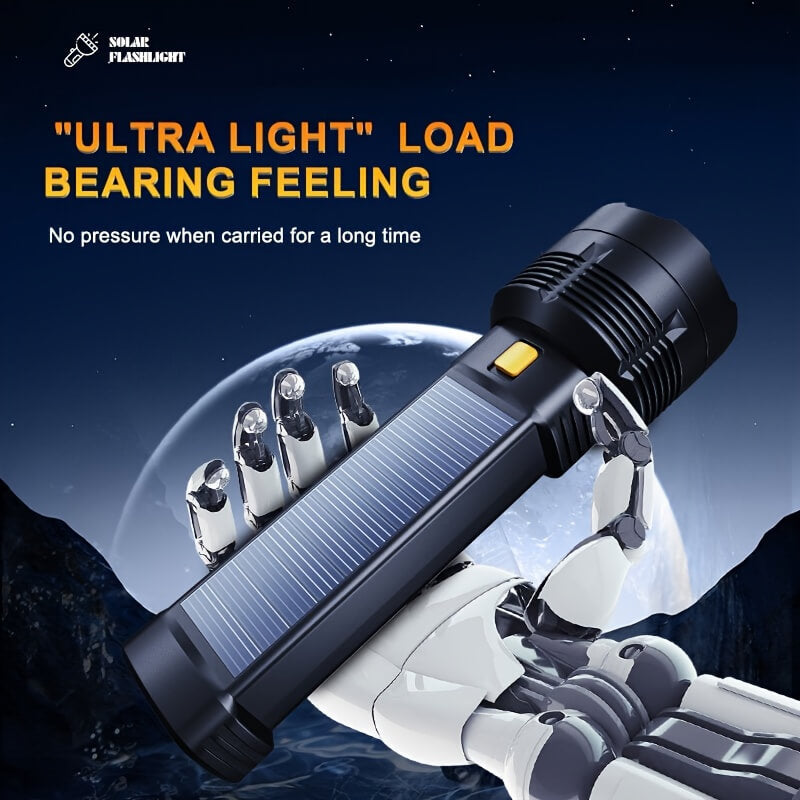
Flashlights
-
Backup batteries
Practical Tip
Store lights in known locations, not scattered around the house. In a sudden outage, you won't want to search in the dark.
A good setup includes:
-
One lantern per main room
-
One headlamp per person
-
One emergency flashlight near the bed
Headlamps are especially useful because they keep both hands free for cooking or repairs.
Step 2: Keep Communication Devices Charged 🔋
Your phone becomes critical during a blackout. You may need it for:
-
Emergency alerts
-
Weather updates
-
Navigation
-
Contacting family
But during extended outages, wall outlets won't work.
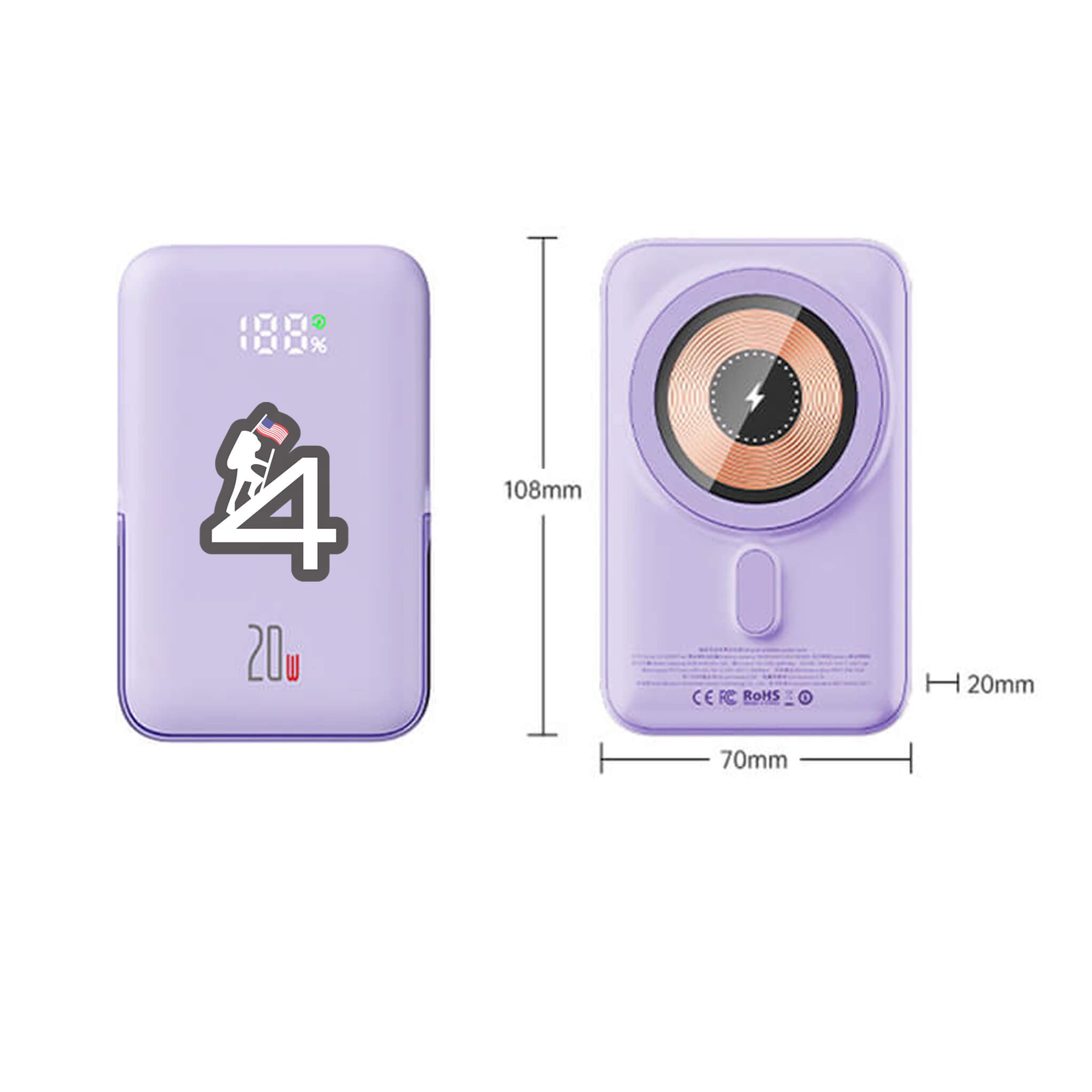
Solar Charging Solutions
Solar charging is one of the most reliable off-grid power options because it works without fuel or noise.
A solar power bank allows you to:
-
Charge phones
-
Power small devices
-
Stay connected during emergencies
-
Recharge during daylight hours
Real-Life Scenario
After a storm knocks out power for 48 hours, many people discover their power banks were never charged. A solar charger gives you a backup energy source that doesn't depend on preparation timing.
Keep at least one charging device in your emergency kit.
Step 3: Plan for Food Without Electricity
Refrigerators stop working quickly during outages.
Food safety becomes an issue after about:
-
4 hours for refrigerators
-
24–48 hours for freezers
Recommended Foods
Stock foods that require little or no cooking:
-
Canned meat
-
Canned vegetables
-
Rice
-
Pasta
-
Energy bars
-
Nuts
-
Dried fruit
These foods last long and are easy to prepare.
Practical Tip
Keep a manual can opener in your kit. Many people forget this simple tool.
Step 4: Store Enough Drinking Water 🚰
Water is one of the most overlooked blackout essentials.
Some homes rely on electric pumps, which stop working during outages.
Minimum Storage
A good rule:
-
1 gallon per person per day
-
Plan for at least 3 days
More is better if you have the space.
Easy Storage Ideas
You can store water in:
-
Dedicated containers
-
Large bottles
-
Emergency water bricks
Keep water in a cool and dark place.
Step 5: Prepare a Basic Power Outage Kit
Instead of collecting items randomly, build a dedicated blackout kit.
Essential Items
A simple kit should include:
-
Flashlights
-
Batteries
-
Power banks
-
Solar charger
-
First aid kit
-
Emergency blankets
-
Multi-tool
-
Lighter or matches
Keep everything in one container so it's easy to grab.
Step 6: Stay Warm or Cool Without Electricity
Temperature control becomes critical during outages.
Cold Weather Tips
During winter outages:
-
Wear layered clothing
-
Use thermal blankets
-
Block drafts with towels
-
Stay in one room to conserve heat
Sleeping bags designed for outdoor use can be extremely effective indoors.
Hot Weather Tips
During summer outages:
-
Stay hydrated
-
Open windows at night
-
Avoid physical activity
-
Use battery-powered fans if available
Small portable fans use very little power and work well with solar charging.
Step 7: Think Like an Outdoor Survivalist
Outdoor survival skills translate directly to blackout preparedness.
Key skills include:
-
Fire starting
-
Navigation
-
Water purification
-
Gear organization
-
Situational awareness
Prepared outdoor enthusiasts usually handle outages better because they are already used to operating without modern conveniences.
Step 8: Test Your Setup
Preparation only works if your gear functions.
At least once per year:
-
Test your flashlights
-
Recharge power banks
-
Inspect solar chargers
-
Rotate stored food
-
Replace old batteries
Practical Exercise
Try a 12-hour "no power" test at home.
Turn off electricity voluntarily and see what happens.
You will quickly discover:
-
Missing gear
-
Weak batteries
-
Poor planning
This is one of the best ways to improve preparedness.
Common Power Outage Mistakes
Many people make the same mistakes:
Mistake #1 – Only one flashlight
Always have backups.
Mistake #2 – Dead batteries
Check regularly.
Mistake #3 – No backup charging
Phones die faster than expected.
Mistake #4 – No water storage
This becomes critical quickly.
Avoiding these mistakes puts you ahead of most households.
Final Thoughts: Small Steps Build Real Preparedness
Preparing for power outages doesn't require extreme survival gear. Most readiness comes from simple planning and reliable tools.
Start small:
-
Add one solar charger
-
Store extra water
-
Build a lighting system
-
Create a blackout kit
Over time, these steps create real resilience.
What is the first thing you would improve in your power outage setup today?
Take a few minutes to review your gear and identify one upgrade that would make you better prepared.