Your Problem: Most people approach survival camping with either blind optimism or complete overwhelm. They pack random gear, follow outdated advice, or assume that "winging it" will somehow work out.
In 2026, this mindset is more dangerous than ever. Weather patterns are less predictable, campsites are more crowded, and many outdoor areas now require greater self-reliance. A small planning mistake like underestimating water needs or overpacking useless gear, can quickly turn a simple trip into a serious survival situation.
Your Solution? Survival camping planning doesn’t need to be complicated. It needs to be structured, realistic, and intentional. This guide breaks down survival camping planning for 2026 into practical steps, modern considerations, and a clear gear framework so you’re prepared without drowning in checklists or theory.
Why Survival Camping Planning Matters More in 2026
Survival camping today is not the same as it was ten years ago. Three major factors make planning non-negotiable:
-
Climate volatility – Sudden storms, heat waves, and cold snaps are more common.
-
Increased outdoor traffic – Popular areas are crowded, resources are strained, and help may be delayed.
-
Greater self-responsibility – Many regions expect campers to be fully self-sufficient.
Survival camping planning in 2026 is about risk management, not paranoia. You’re not preparing for the apocalypse, you’re preparing to handle realistic worst-case scenarios calmly.
The Biggest Myth: “Survival Planning Is Too Complicated”
This belief stops more people than lack of money or experience.
The truth: Overplanning is complicated. Smart planning is simple.
Most survival failures happen because of:
-
No clear priorities
-
Too much unnecessary gear
-
No understanding of basic survival needs
Once you focus on the fundamentals, planning becomes straightforward.
Survival camping planning only needs to answer five questions:
-
How will I stay hydrated?
-
How will I stay warm and dry?
-
How will I eat?
-
How will I navigate and communicate?
-
How will I handle emergencies?
Everything else is secondary.
Step 1: Water Strategy (The Non-Negotiable)
If you remember only one thing from this article, let it be this:
You can survive days without food, but only hours without water in the wrong conditions.
In 2026, relying on bottled water alone is a mistake. Weight, space, and unpredictability make it impractical.
Smart Water Planning Includes:
-
Carrying some stored water
-
Having at least one reliable water filter
-
Knowing natural water sources in your area
Modern portable water filters are lightweight, fast, and effective against bacteria and protozoa. They remove the guesswork and drastically reduce how much water you need to carry.
Planning principle: Always assume your primary water source could fail.
Step 2: Shelter and Thermal Control
Exposure ends trips faster than hunger.
Your shelter system should protect you from:
-
Wind
-
Rain
-
Cold ground
-
Heat loss
This doesn’t mean heavy tents or complex setups. In survival camping, flexibility matters more than comfort.
Practical Shelter Components:
-
Weather-appropriate tent or tarp
-
Ground insulation (sleeping pad or improvised layer)
-
Sleep system rated for lower temperatures than expected
In 2026, lighter materials and compact designs make it easier than ever to stay protected without overpacking.
Step 3: Food Planning (Simple > Fancy)
Survival camping food planning fails when people aim for variety instead of reliability.
Your goals:
-
High calorie density
-
Easy preparation
-
Long shelf life
Freeze-dried meals, energy-dense snacks, and basic cooking systems outperform complicated meal plans.
Rule of thumb: If it takes more than one pot and 10 minutes to prepare, it’s not survival-friendly.
Step 4: Emergency Readiness (Where Most People Cut Corners)
Emergency kits are often misunderstood. They’re not about fear, they’re about time.
A well-planned emergency kit buys you:
-
Time to think
-
Time to move
-
Time to signal for help
Core Emergency Kit Elements:
-
First-aid essentials
-
Fire-starting redundancy
-
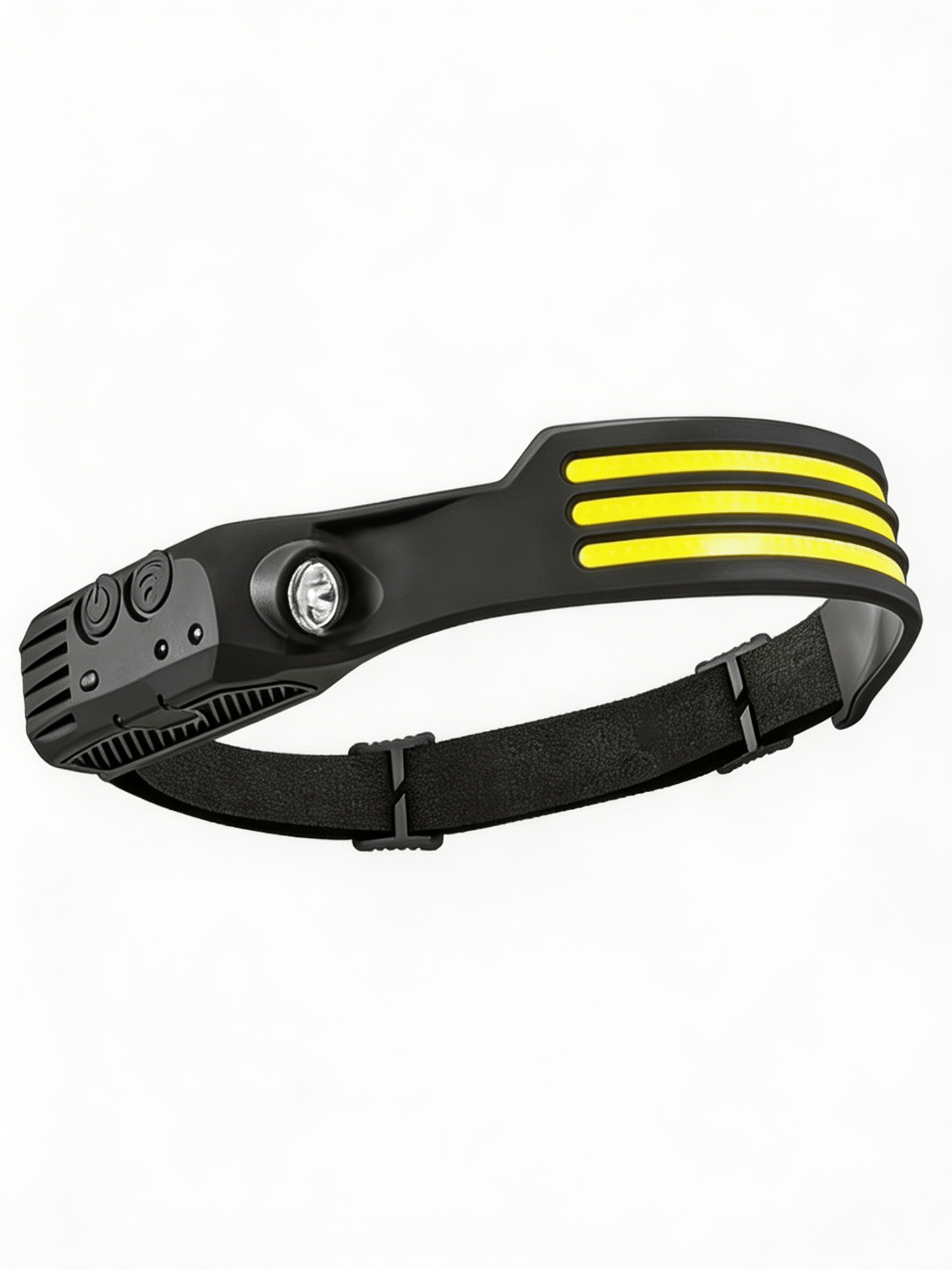
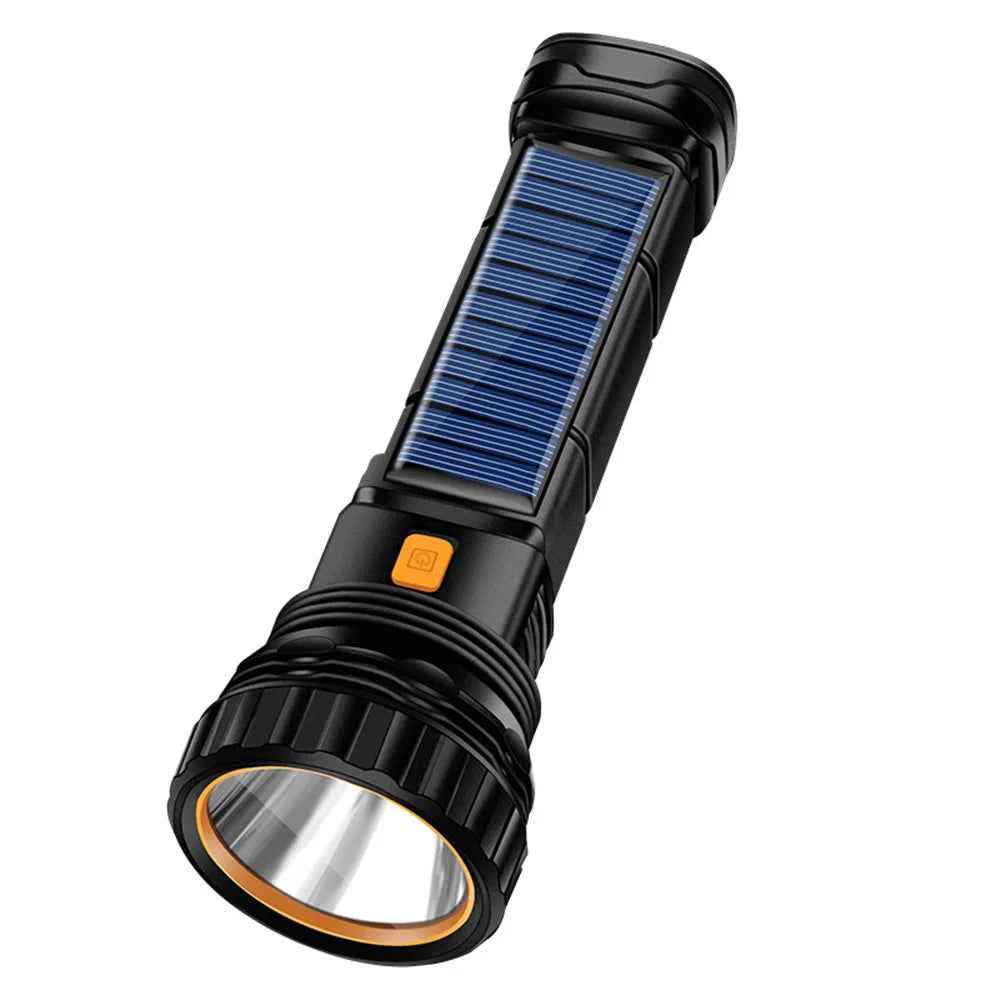
Light source
-
Signaling tools
In survival camping planning for 2026, redundancy matters more than perfection.
Step 5: Navigation and Awareness
Smartphones are tools, not plans.
Modern survival planning assumes electronics may fail. You should always have:
-
Offline maps
-
Physical navigation backup
-
Basic route awareness
This isn’t old-school. It’s smart risk control.
Minimalism vs Preparedness: Finding the Balance
Survival camping isn’t about carrying everything, it’s about carrying the right things.
Ask yourself before packing any item:
-
Does this solve a real problem?
-
Does it replace multiple items?
-
Can I improvise this if needed?
This mindset alone removes 30–40% of unnecessary gear.
Survival Camping Planning 2026: A Practical Checklist
Water
-
Portable water filter
-
Backup purification method
-
Collapsible water container
Shelter & Warmth
-
Lightweight shelter
-
Insulating sleep system
-
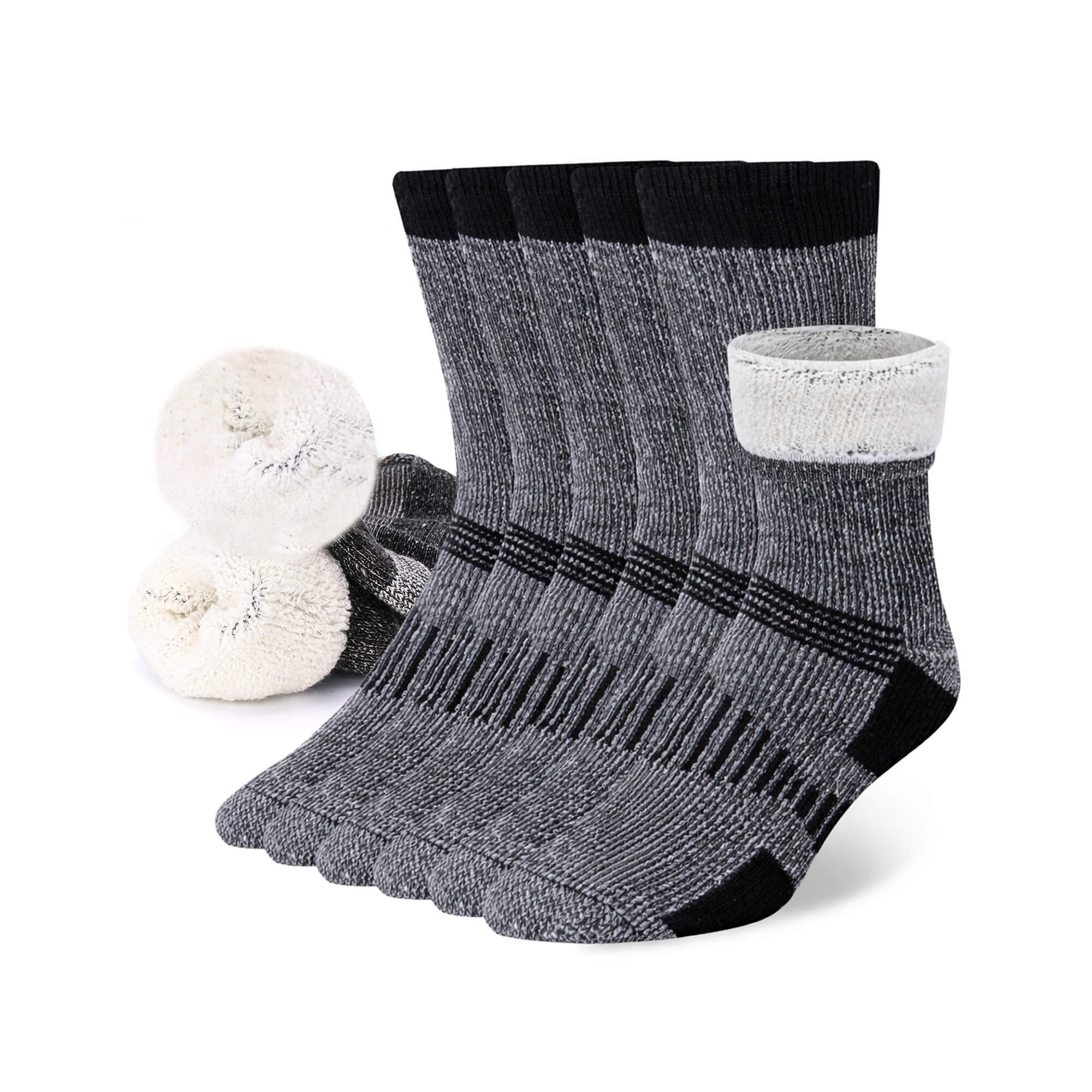
Weather-resistant clothing layers
Food
-
High-calorie food
-
Simple cooking setup
-
Emergency rations
Emergency & Safety
-
Compact emergency kit
-
First aid supplies
-
Fire-starting tools
Navigation & Tools
-
Offline maps
-
Physical navigation backup
-
Multi-purpose tool
Final Thought
Survival camping planning in 2026 isn’t about being extreme. It’s about being intentional.
When you simplify your priorities and plan around real risks, survival camping becomes safer, calmer, and more enjoyable.
Prepared doesn’t mean paranoid. It means confident.